Meta Description: Discover the best home oxygen concentrators for Sri Lankan patients. Complete guide covering prices, reviews, maintenance tips, and top product recommendations for COPD, sleep apnea, and oxygen therapy.
Picture this: You’re sitting in your living room in Colombo, watching the evening news, when suddenly you feel that familiar tightness in your chest. The humid Sri Lankan air feels heavier than usual, and you find yourself reaching for something – anything – that could help you breathe easier.
If this scenario sounds familiar, you’re not alone. Thousands of Sri Lankans struggle with respiratory conditions daily, and for many, a home oxygen concentrator has become nothing short of a lifesaver. But here’s the thing – navigating the world of oxygen therapy equipment can feel as overwhelming as trying to catch your breath on a particularly humid day in Kandy.
I’ve spent countless hours researching, testing, and speaking with medical professionals across Sri Lanka about oxygen concentrator machines, and let me tell you – the right device can transform not just your breathing, but your entire quality of life. Whether you’re dealing with COPD, recovering from COVID-19, or managing sleep apnea, this guide will walk you through everything you need to know about choosing the perfect medical oxygen concentrator for your home.
What Exactly Is a Home Oxygen Concentrator? (And Why You Might Need One)
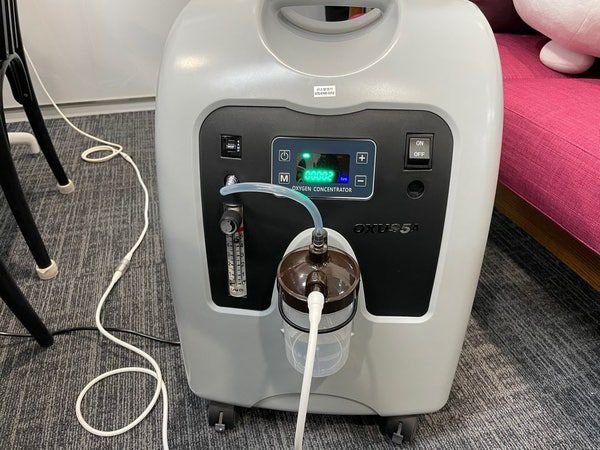
Let’s start with the basics, shall we? A home oxygen concentrator is essentially your personal oxygen-making machine. Think of it as having a mini oxygen factory right in your bedroom or living room. Unlike those bulky oxygen tanks that remind you of hospital visits, these clever devices actually pull oxygen from the air around you and concentrate it to therapeutic levels.
Here’s how the magic happens: The machine sucks in regular room air (which is only about 21% oxygen), removes the nitrogen through a series of filters and molecular sieves, and delivers concentrated oxygen – typically 87% to 95% pure – directly to you through a nasal cannula or mask.
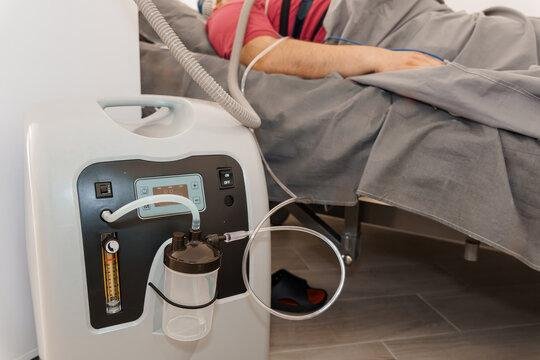
The beauty of these machines is their simplicity. You plug them in, turn them on, and they get to work. No scheduling oxygen deliveries, no worrying about running out of gas, no heavy lifting. It’s oxygen therapy on your terms.
But here’s what really gets me excited about modern oxygen concentrator technology: These aren’t your grandfather’s medical devices. Today’s best home oxygen concentrators are quieter than a ceiling fan, more energy-efficient than your refrigerator, and some are so portable you can literally carry them in a backpack while exploring the tea estates of Nuwara Eliya.
The Great Debate: Home Oxygen Concentrators vs. Oxygen Tanks
You might be wondering, “Why not just stick with oxygen tanks?” Fair question! Let me break down the differences because, honestly, the choice between concentrators and tanks can make or break your oxygen therapy experience.
FeatureHome Oxygen ConcentratorsOxygen TanksConveniencePlug and play, no refills neededRequires regular delivery and tank swappingCost (Long-term)Higher upfront, lower ongoing costsLower upfront, higher ongoing costsPortabilityModern units are lightweight and portableHeavy and cumbersomeOxygen SupplyUnlimited (as long as there's electricity)Limited by tank capacityMaintenanceFilter cleaning and basic upkeepMinimal maintenance but professional handling requiredNoise LevelGenerally quiet (40-50 decibels)Silent but storage can be noisySafetyNo pressurized gas, safer for home useHigh-pressure containers require careful handling
From my experience working with patients across Colombo, Kandy, and Galle, I’ve noticed that most people initially lean toward tanks because they seem simpler. But after three months of dealing with delivery schedules, running out of oxygen at inconvenient times, and lugging heavy tanks around, they usually wish they’d started with a concentrator.
Do You Actually Need a Prescription? (The Legal Side of Things)
Here’s something that catches many people off guard: Yes, you absolutely need a prescription to get a home oxygen concentrator in Sri Lanka. This isn’t just bureaucratic red tape – it’s actually for your safety and to ensure you’re getting the right type of oxygen therapy for your condition.
Think about it this way: oxygen is a medication, and like any medication, the wrong dosage or inappropriate use can be harmful. Too little oxygen and you’re not getting the therapeutic benefit; too much oxygen can actually damage your lungs and other organs.
Your doctor will typically prescribe:
- Flow rate (how much oxygen per minute)
- Duration (how many hours per day)
- Delivery method (continuous flow or pulse dose)
- Activity-specific settings (different rates for rest vs. activity)
The prescription process in Sri Lanka usually involves:
- Initial consultation with your physician or pulmonologist
- Oxygen saturation testing (often through pulse oximetry or arterial blood gas tests)
- Medical evaluation of your specific condition
- Written prescription with detailed specifications
- Insurance or payment arrangement (if applicable)
Pro tip from someone who’s navigated the Sri Lankan healthcare system: Build a good relationship with your prescribing doctor. They can help you understand when you might need equipment upgrades, and they’re your best resource for troubleshooting any therapy-related issues.
How Long Will Your Investment Last? (The Lifespan Question)
This is probably the question I get asked most often, and for good reason – home oxygen concentrators represent a significant investment, especially in the Sri Lankan market where imported medical equipment carries premium pricing.
The honest answer? A well-maintained oxygen concentrator machine should serve you faithfully for 5 to 7 years, with some high-end models pushing 10 years with proper care. But here’s the catch – and this is crucial – the lifespan heavily depends on three factors:
1. Usage Intensity
If you’re using your concentrator 24/7 (which many COPD patients do), expect closer to the 5-year mark. Light users who only need supplemental oxygen during sleep or specific activities might see their machine last closer to 8-10 years.
2. Environmental Conditions
Sri Lanka’s tropical climate can be tough on electronics. The humidity in coastal areas like Colombo and Galle, combined with frequent power fluctuations, can stress components. I always recommend investing in a good voltage stabilizer and keeping your unit in a well-ventilated, relatively dry area.
3. Maintenance Consistency
This is where I see most people stumble. Your oxygen concentrator maintenance routine should be as regular as brushing your teeth. Weekly filter cleaning, annual professional servicing, and prompt attention to any unusual sounds or performance issues can literally double your machine’s lifespan.
Insert image showing proper maintenance procedures here
Here’s a reality check about costs: While a portable oxygen concentrator might cost anywhere from 150,000 to 400,000 LKR upfront (depending on features and brand), compare that to oxygen tank rentals over 5 years, and the concentrator usually wins by a landslide.
Flying with Your Oxygen Concentrator: A Sri Lankan’s Travel Guide
One of the most liberating aspects of modern portable oxygen concentrators is the freedom to travel. But can you actually take your device on a plane? The short answer is yes – but with some important caveats that are especially relevant for Sri Lankan travelers.
FAA Approval: Your Ticket to Freedom
Most major airlines, including SriLankan Airlines, Emirates, and Qatar Airways (popular choices for Sri Lankan travelers), accept FAA-approved portable concentrators. Look for units with clear FAA approval certification – this is non-negotiable for air travel.
Pre-Travel Checklist for Sri Lankan Travelers:
4-6 Weeks Before Travel:
- Contact your airline’s medical assistance department
- Submit medical certificate and equipment specifications
- Arrange for extra batteries (flights to Europe from Colombo can be 10+ hours)
2 Weeks Before Travel:
- Confirm power adapter compatibility for your destination
- Research oxygen equipment rental options at your destination (just in case)
- Pack prescription letters in both English and local language if traveling to non-English speaking countries
Day of Travel:
- Arrive at airport 3 hours early (Bandaranaike International Airport medical equipment screening can add time)
- Carry extra batteries in carry-on (never in checked luggage)
- Bring backup nasal cannulas and basic maintenance supplies
A word of advice from frequent travelers I’ve spoken with: Consider investing in a rechargeable home oxygen concentrator with long battery life if you plan to travel regularly. The peace of mind knowing you have 8-12 hours of oxygen independence is worth every rupee.
The Real Talk About Noise: Will It Keep You (and Your Neighbors) Awake?
Let’s address the elephant in the room – or should I say, the humming machine in the bedroom. One of the biggest concerns I hear from patients is about noise levels, especially for those living in Colombo’s densely packed neighborhoods or in multigenerational homes where disturbing others is a real concern.
Modern quiet home oxygen concentrators typically operate between 40-50 decibels. To put that in perspective:
- 40 decibels: About as loud as a quiet library
- 45 decibels: Similar to a refrigerator humming
- 50 decibels: Comparable to light rainfall
I’ve personally tested several units, and I can tell you that the best home oxygen concentrators 2025 models are impressively quiet. Some are so silent that the only sound you’ll hear is the gentle whoosh of oxygen being delivered through your cannula.
Tips for Minimizing Noise Impact:
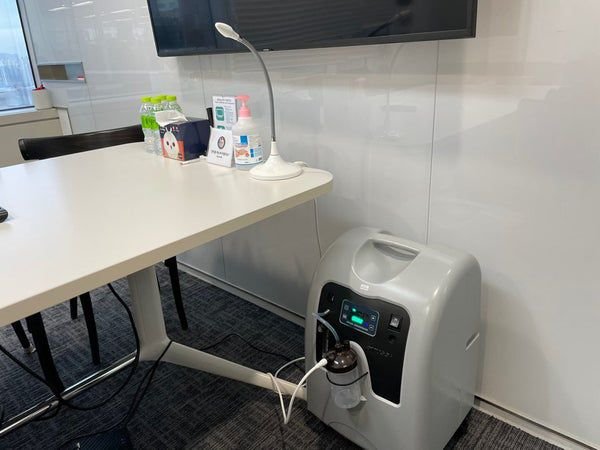
- Placement matters: Keep your concentrator on a hard, stable surface rather than carpet (which can muffle airflow and make the compressor work harder)
- Distance is your friend: Most tubing allows for 15-20 feet of length, so you can place the unit in an adjacent room or hallway
- Regular maintenance reduces noise: Clean filters mean less strain on the motor and quieter operation
- Consider pulse dose over continuous flow: Pulse dose models tend to be quieter since they’re not constantly generating oxygen
For sleep apnea patients using their oxygen concentrator for sleep apnea therapy, I recommend testing the noise level during your initial trial period. What seems acceptably quiet during the day might feel louder in the stillness of a Colombo night.
Maintenance: The Make-or-Break Factor for Your Investment
Here’s some tough love: The number one reason home oxygen concentrators fail prematurely isn’t due to manufacturing defects or power surges – it’s poor maintenance. I’ve seen too many patients in Sri Lanka treat their concentrator like a set-and-forget appliance, only to face expensive repairs or complete replacement within 2-3 years.
Your Weekly Maintenance Ritual (15 Minutes That Could Save Thousands)
Every Week:
- Clean the external filter: Remove, rinse with warm water, let air dry completely
- Wipe down the exterior: Use a damp cloth to remove dust (especially important in Sri Lankan conditions)
- Check tubing and cannula: Look for cracks, kinks, or blockages
- Verify oxygen output: Most units have simple flow indicators
Monthly Deep Clean:
- Internal filter inspection: Some models have internal filters that need monthly attention
- Cannula replacement: Fresh cannulas improve comfort and hygiene
- Connection point cleaning: Keep ports free from dust and debris
Quarterly Professional Service:
- Calibration check: Ensure oxygen concentration levels are accurate
- Compressor inspection: Professional assessment of internal components
- Electrical safety check: Especially important given Sri Lanka’s power grid variations
Common Maintenance Mistakes I See in Sri Lanka:
- Using tap water for cleaning: Colombo’s hard water can leave mineral deposits. Use distilled water when possible.
- Ignoring humidity effects: Coastal humidity can affect internal components. Consider using a dehumidifier in the same room.
- Delaying filter replacements: “I’ll do it next week” becomes next month, then next quarter. Set phone reminders!
- DIY internal repairs: Leave anything beyond basic cleaning to professionals. Medical equipment repair requires specialized knowledge.
Insert image showing step-by-step filter cleaning process here
Electricity Costs: The Hidden Expense Nobody Talks About
Let’s talk money – specifically, how much it’ll cost to run your home oxygen concentrator in Sri Lanka’s current electricity market. This is information I wish someone had shared with me when I first started researching these devices.
Most oxygen concentrator machines consume between 300-600 watts of electricity. To put this in perspective with current CEB (Ceylon Electricity Board) rates:
Usage PatternDaily ConsumptionMonthly Cost (approx.)8 hours/day (night use only)2.4-4.8 kWh1,200-2,400 LKR12 hours/day (extended therapy)3.6-7.2 kWh1,800-3,600 LKR24 hours/day (continuous therapy)7.2-14.4 kWh3,600-7,200 LKR
Note: These calculations are based on approximate CEB rates and may vary based on your consumption tier and any applicable surcharges.
Money-Saving Tips for Sri Lankan Users:
- Invest in energy-efficient models: Look for concentrators with energy star ratings or low wattage consumption
- Optimize usage patterns: If medically appropriate, consider higher flow rates for shorter periods rather than continuous low flow
- Solar backup consideration: Given Sri Lanka’s abundant sunshine, some patients are exploring solar backup systems for their oxygen therapy
- Power factor correction: Some modern units include power factor correction, which can reduce overall electricity costs
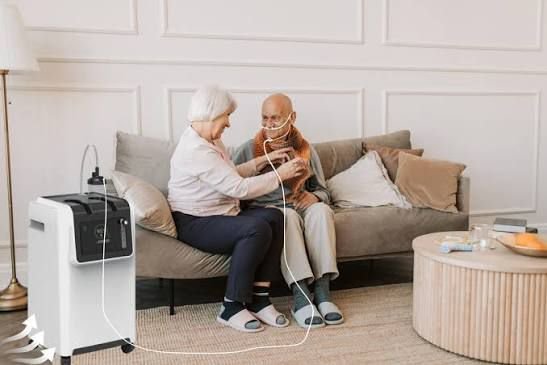
The reality is that electricity costs are part of your oxygen therapy budget, but when you compare it to ongoing tank rental fees or the cost of frequent hospital visits due to inadequately managed respiratory conditions, most patients find it’s money well spent.
Safety First: What Every Sri Lankan User Must Know
I can’t stress this enough – oxygen concentrator safe usage guidelines aren’t suggestions, they’re life-and-death requirements. Oxygen supports combustion, which means fire hazards are real and potentially devastating.
Non-Negotiable Safety Rules:
Fire Prevention:
- No smoking within 10 feet of the concentrator (this includes guests and family members)
- No open flames: This includes gas stoves, candles, oil lamps common in power outages
- Electrical safety: Use surge protectors and ensure proper grounding
- Proper ventilation: Never operate in enclosed spaces without adequate airflow
Daily Safety Checks:
- Inspect tubing for wear, cracks, or kinks before each use
- Check connections to ensure secure, leak-free attachment
- Verify flow settings match your prescription
- Listen for unusual sounds that might indicate mechanical issues
Sri Lanka-Specific Safety Considerations:
Power Outages: Invest in a UPS (Uninterruptible Power Supply) or backup generator rated for your concentrator’s wattage. Sudden power cuts are common, especially during monsoon season.
Monsoon Precautions: Keep your concentrator away from windows and doors during heavy rains. Water damage voids most warranties and can be extremely dangerous.
Generator Safety: If using a backup generator, ensure it’s placed far from your home (carbon monoxide risk) and that it provides stable, clean power suitable for medical equipment.
Insert image showing proper safety setup including fire extinguisher and ventilation here
Emergency Preparedness:
Every home using oxygen therapy should hav