
Walk into any busy ward at a government hospital in Colombo, or peek into a small GP clinic in Kurunegala, and you’ll notice the same thing. It’s never the fancy diagnostic machine that keeps the place running. It’s the bed. The trolley. The cabinet nobody thinks about until it’s missing.
I’ve spent a good chunk of time talking to procurement officers, nurses, and clinic owners across the island, and here’s the honest truth: hospital equipment furniture is the unglamorous backbone of healthcare. Get it wrong, and you’ll be dealing with squeaky beds, rusted trolleys, and staff who curse you every shift. Get it right, and nobody notices which, weirdly, is the whole point.
So let’s talk about it properly. No jargon, no sales pitch. Just what you actually need to know before you sign a purchase order.
What Is Hospital Equipment Furniture, Really?
Let’s clear this up first, because people mix it up all the time.
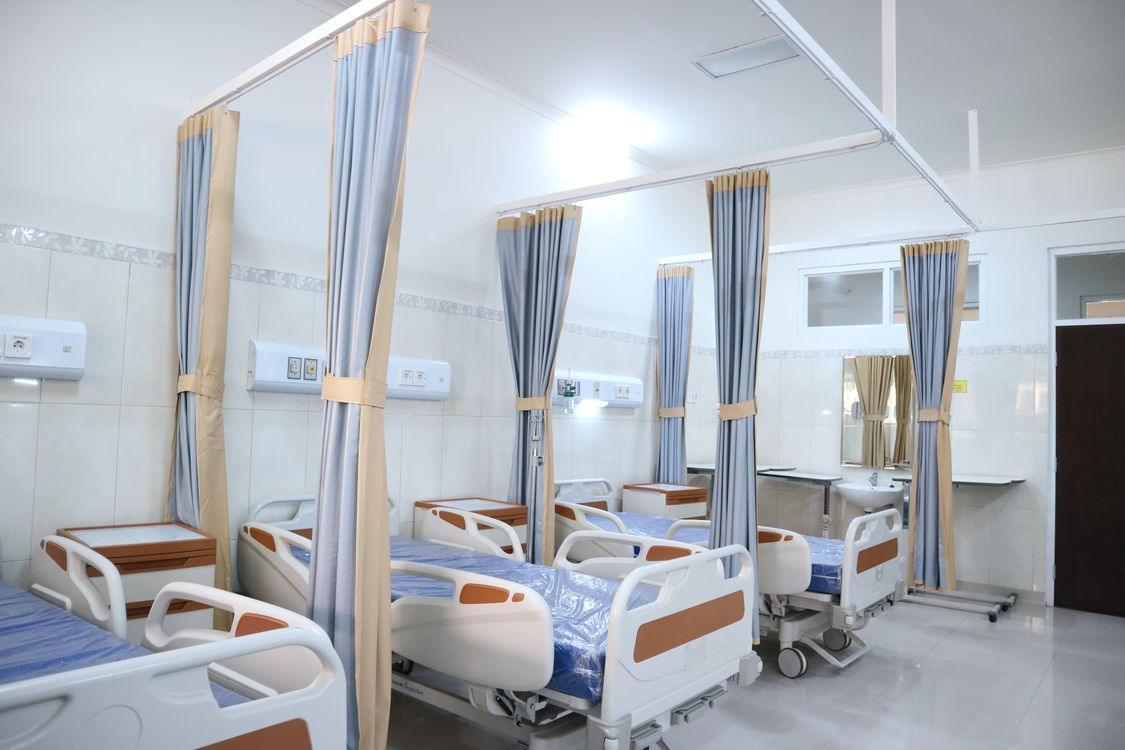
Hospital equipment furniture refers to the functional furniture pieces used across healthcare settings — beds, trolleys, tables, cabinets, chairs — that support patient care, staff workflow, and infection control. It’s different from general medical furniture in one key way: hospital equipment furniture is built to handle heavy daily use, frequent disinfection, and clinical-grade durability.
Think of it this way — a nice waiting room sofa is medical furniture. An ICU bed with side rails, IV pole mounts, and a built-in weighing scale? That’s hospital equipment furniture. Same family, very different job description.
This distinction matters when you’re budgeting, because hospital-grade pieces cost more upfront but save you from replacing flimsy stock every two years.
Why This Matters More in Sri Lanka Than You Might Think
Sri Lanka’s healthcare network is huge and varied — from national teaching hospitals to rural divisional hospitals, from private multi-specialty centers in Colombo to small dental clinics in Galle. Each of these has wildly different budgets, space constraints, and patient loads.
A base hospital in the dry zone doesn’t need the same furniture setup as a private cardiac hospital in Nawaloka. Humidity, dust, power reliability (yes, backup-friendly electric beds matter here), and staff training levels all play into what “the right furniture” actually looks like.
And with NGOs, WHO-backed projects, and Ministry of Health procurement all operating in the same space, there’s a genuine need for furniture that’s practical, affordable, and easy to maintain — not just imported and expensive.
The Essential Types of Hospital Furniture (Listicle Time)
Here’s where we get into the meat of it. I’ve broken this down by category so you can jump to whatever’s relevant to your facility.
1. Hospital Beds
The bed is the single most important piece of furniture in any inpatient facility. You’ve got a few options:
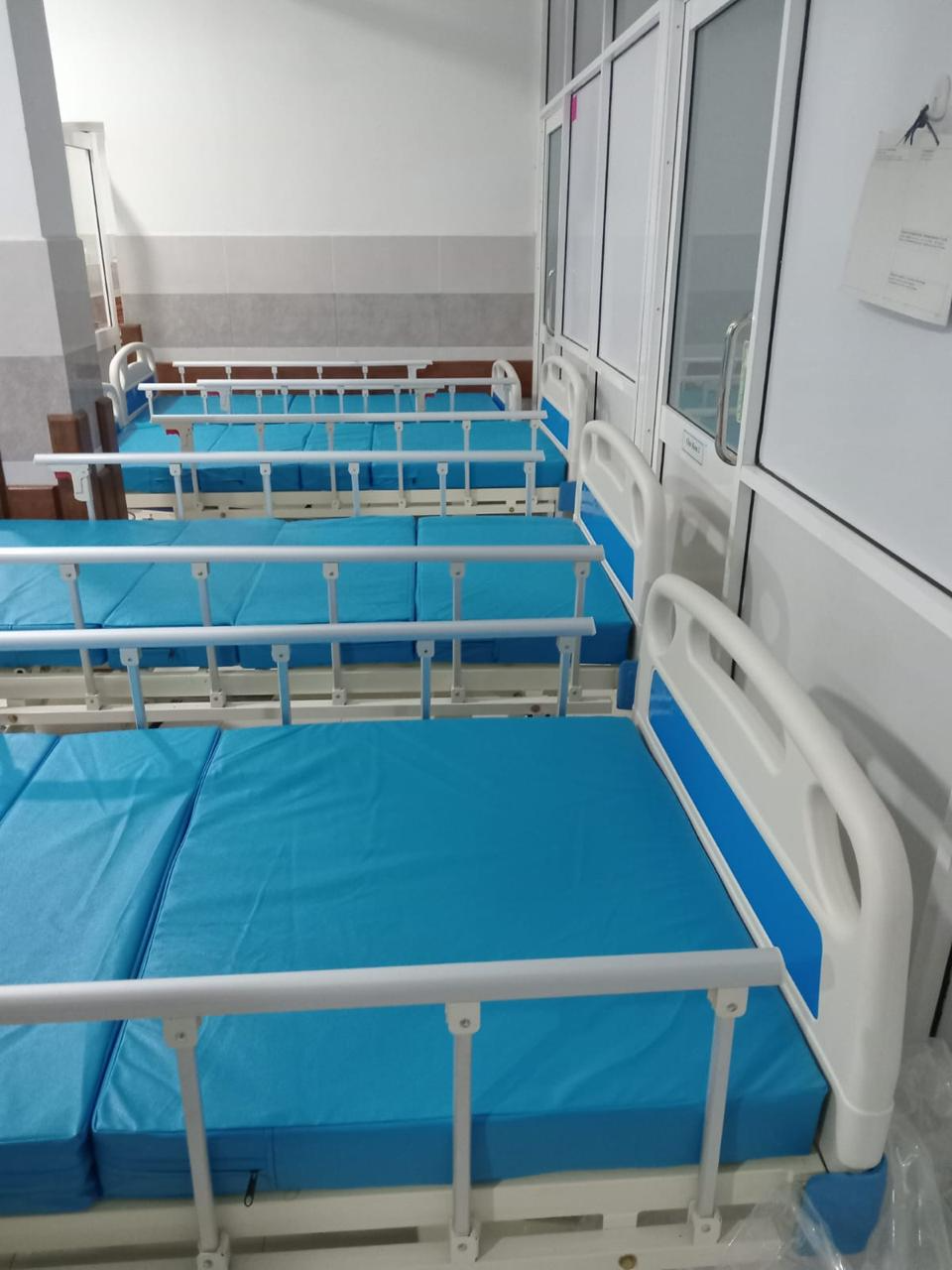
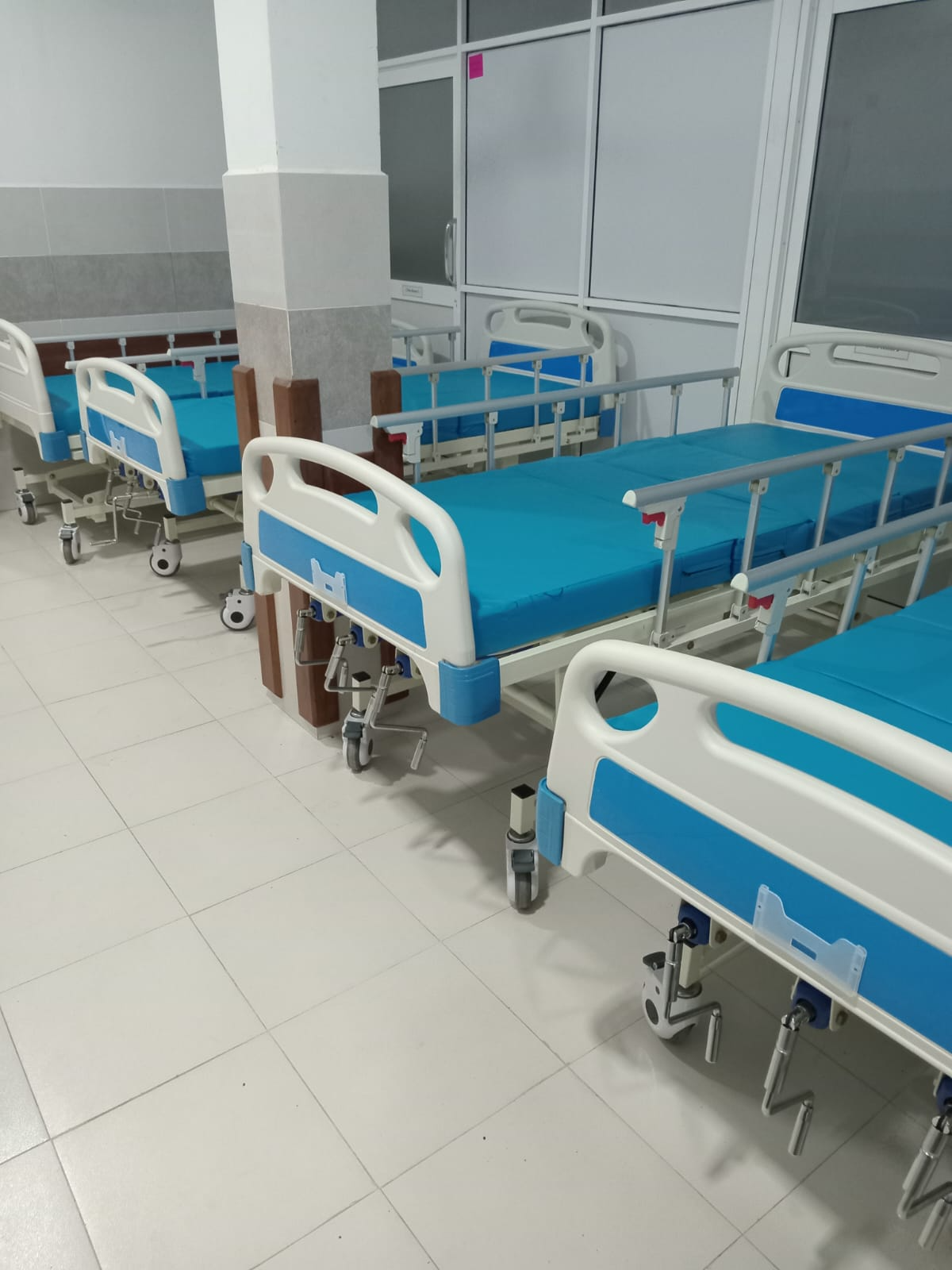
- Manual hospital bed — cost-effective, hand-cranked adjustments. Great for rural hospitals or facilities with tight budgets.
- Electric hospital bed — motorized height and position adjustments. Reduces strain on nursing staff and improves patient comfort. Worth the investment if your facility handles long-stay patients.
- ICU bed — built for critical care, with features like CPR function, side rail monitoring access, and compatibility with monitoring equipment.
Honestly? If your budget allows even a few electric beds in high-turnover wards, your nursing staff will thank you. Manually cranking a bed at 3am with a critical patient is nobody’s idea of fun.
2. Hospital Stretchers
For emergency departments and patient transport, a good hospital stretcher is non-negotiable. Look for ones with locking wheels, adjustable height (to match ambulance and bed heights), and IV pole attachments.
3. Examination Tables and Beds
Every clinic, GP office, or specialist room needs a solid examination bed. Gynecology and orthopedic clinics often need specialized versions with stirrups or adjustable sections — don’t assume one-size-fits-all here.
4. Overbed Tables and Bedside Tables
Small but mighty. An overbed table lets patients eat, read, or work without leaving bed, while a bedside table hospital setup gives them a place for personal items, water, and call buttons.
5. Trolleys and Carts
This category does a lot of heavy lifting (literally):
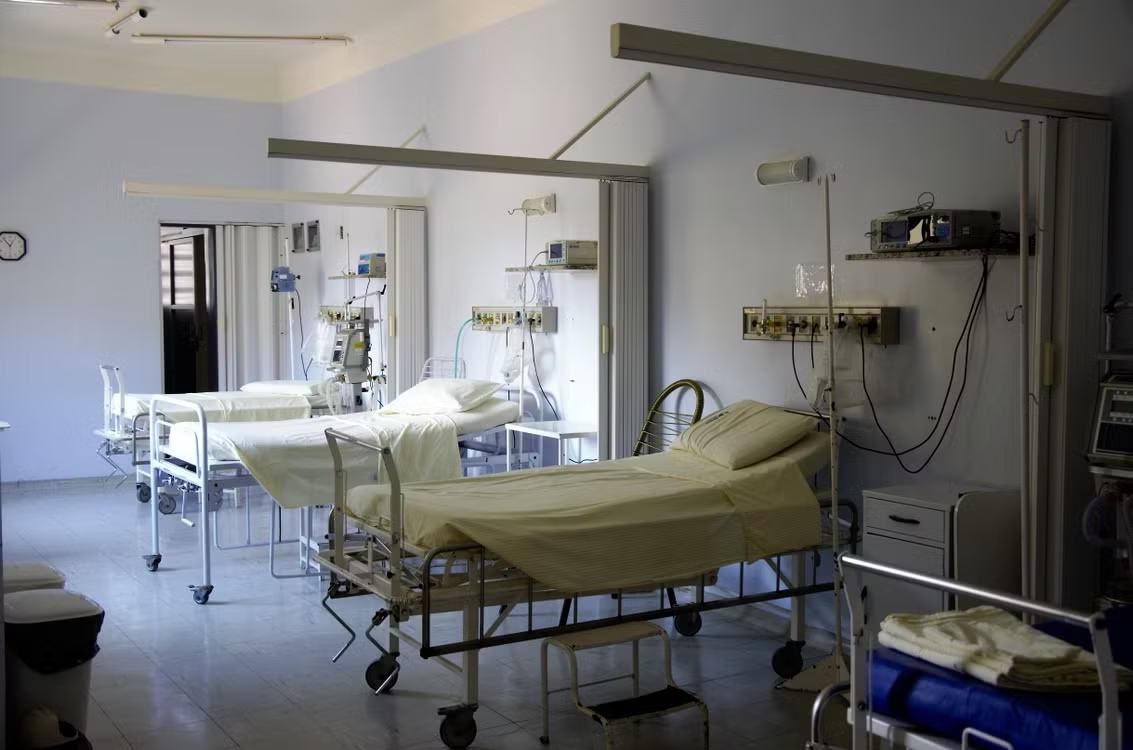
- Hospital trolley — general-purpose movement of supplies and equipment
- Medical trolley — used across wards and treatment rooms for daily tasks
- Surgical trolley — holds instruments during operations
- Mayo stand — height-adjustable, used right beside the surgical table
- Instrument table — keeps tools organized and sterile-ready
- Medical cart — mobile storage that moves with staff through fast-paced environments
If your facility does any kind of surgical or emergency work, investing in stainless steel trolleys with smooth-rolling castors isn’t optional. It’s basic infrastructure.
6. Seating
- Hospital chair — everyday seating for patient rooms
- Recliner chair medical — ideal for infusion therapy, dialysis units, or recovery bays where patients sit for extended periods
- Waiting room chairs — durable, easy-clean seating that can survive years of foot traffic in reception areas
7. Storage Furniture
- Medical storage cabinet — for supplies, consumables, and devices
- Bedside cabinet hospital — smaller, patient-facing storage
- Hospital cabinet — general department storage
These sound boring, but disorganized storage is one of the biggest silent time-wasters in busy wards. A nurse hunting for gauze during an emergency is a real problem, and it’s entirely preventable with the right cabinet setup.
Table: Quick Comparison of Core Furniture Types
| Furniture Type | Best For | Key Feature to Check |
|---|---|---|
| Manual hospital bed | Budget wards, rural hospitals | Sturdy crank mechanism |
| Electric hospital bed | General wards, private hospitals | Motor reliability, battery backup |
| ICU bed | Critical care units | CPR function, monitoring compatibility |
| Examination bed | Clinics, OPDs | Adjustable sections, easy-clean upholstery |
| Surgical trolley | Operating rooms | Stainless steel, smooth castors |
| Medical storage cabinet | All departments | Lockable compartments, corrosion resistance |
| Recliner chair medical | Infusion/dialysis units | Padded comfort, wipeable fabric |
Which Materials Are Best for Hospital Furniture?
This is where infection control comes in, and it’s genuinely one of the most important buying decisions you’ll make.
Stainless steel is the gold standard for trolleys, tables, and cabinets in high-hygiene areas like operating rooms and ICUs. It doesn’t corrode, it’s easy to sterilize, and it lasts for years.
Powder-coated mild steel is a more budget-friendly option for beds and general furniture — durable, but check for rust resistance, especially given Sri Lanka’s humidity.
Antimicrobial upholstery (for chairs, recliners, and examination beds) resists bacterial growth and is easier to disinfect between patients.
Avoid porous materials like untreated wood or fabric that can’t be wiped down — they’re a nightmare for infection control and honestly shouldn’t be anywhere near a clinical area anymore.
How Do I Choose Furniture for a Hospital or Clinic?
Here’s my honest, no-fluff checklist:
- Match furniture to department needs — ICU furniture isn’t the same as OPD furniture. Don’t overspend on features you won’t use.
- Prioritize infection control — smooth surfaces, no crevices, wipeable materials.
- Think about staff ergonomics — height-adjustable beds and tables reduce back injuries among nurses.
- Check local climate suitability — rust resistance and humidity tolerance matter more here than in drier countries.
- Consider modular hospital furniture — pieces that can be reconfigured as your facility grows or changes.
- Ask about after-sales support — spare parts and servicing availability locally, not just at the point of sale.
Is Hospital Furniture Customizable for Different Departments?
Yes, and honestly, it should be. A pediatric clinic needs smaller, brighter, less clinical-looking furniture. A dental clinic needs specialized chairs and instrument tables entirely different from a general ward setup. Good suppliers will offer custom hospital furniture options — different sizes, finishes, and configurations based on your department’s actual workflow, not a generic catalogue listing.
What Furniture Is Essential for ICU or Emergency Rooms?
If you’re setting up or upgrading a critical care area, prioritize:
- ICU beds with monitoring compatibility
- Emergency room furniture including stretchers with IV pole mounts
- Mayo stands and instrument tables for quick procedural access
- Medical carts stocked and positioned for rapid response
- Bedside cabinets for immediate supply access
Time matters in these environments, so furniture placement and mobility (think castors, not fixed legs) is just as important as the furniture itself.
Are Electric Hospital Beds Better Than Manual Beds?
It depends on your facility. Electric beds reduce physical strain on staff and offer better comfort for long-stay or immobile patients — genuinely useful in general wards and private hospitals. But manual beds are more reliable during power outages and cost significantly less, which matters for rural or resource-limited facilities. Many hospitals run a mix of both, reserving electric beds for higher-dependency patients.
How Do I Clean and Maintain Hospital Furniture?
- Wipe down surfaces with hospital-grade disinfectant after every patient use
- Check castor wheels and hinges regularly for wear
- Inspect upholstery for tears (torn surfaces harbor bacteria)
- Schedule periodic servicing for electric beds and motorized furniture
- Keep storage cabinets dry to prevent corrosion, especially in coastal or humid regions
A simple maintenance schedule, even a basic weekly checklist, extends furniture lifespan significantly.
What Should I Look for in a Hospital Furniture Supplier?
Before you commit to a hospital furniture supplier or hospital furniture manufacturer, ask these questions:
- Do they offer hospital furniture wholesale pricing for bulk procurement?
- Can they provide modular hospital furniture for future flexibility?
- Do they have a track record with Sri Lankan hospitals — government or private?
- What’s their warranty and local servicing policy?
- Can they customize furniture for specific departments?
A supplier who can’t answer these clearly is probably not worth the contract, no matter how attractive the initial quote looks.
(Insert image of a hospital furniture showroom or warehouse with stacked trolleys and cabinets here)
Where Can I Buy Hospital Equipment Furniture in Sri Lanka?
You’ve got a few routes:
- Local hospital furniture dealers and distributors — good for after-sales support and faster delivery
- Direct manufacturers — better for bulk or custom orders, though lead times can be longer
- Medical equipment rental companies — useful for temporary setups, disaster response, or NGO projects
- Government procurement channels — for Ministry of Health institutions following tender processes
Whichever route you choose, always request samples or site visits before large orders. Photos on a website rarely tell you how a bed actually feels under real use.
Final Thoughts
Hospital equipment furniture isn’t glamorous. Nobody writes songs about examination tables or medical storage cabinets. But every nurse, doctor, and patient who’s ever dealt with a squeaky bed or a rusted trolley knows exactly how much it matters.
Whether you’re running a national teaching hospital, a small dental clinic, or coordinating an NGO healthcare project, the furniture you choose shapes daily operations more than most people realize. Choose durable, infection-control-friendly, ergonomically sound pieces — and choose a supplier who actually understands the Sri Lankan healthcare landscape, not just a generic catalogue.
Got a specific department you’re furnishing, or a budget range in mind? That’s usually where the real decision-making starts — and it’s worth getting right the first time.