GLUCOSE METERS AND STRIPS
GLUCOSE METERS AND STRIPS – Essential Tools for Diabetes Management
Glucose meters and test strips are vital for individuals managing diabetes. These devices provide quick and accurate blood glucose readings, allowing users to monitor their blood sugar levels effectively. Here’s an overview of glucose meters and strips, their types, features, and importance in diabetes care.
- Overview of Glucose Meters
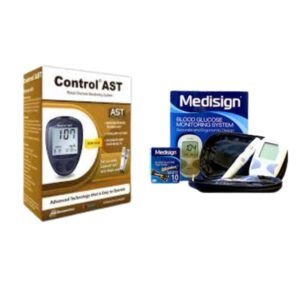
A glucose meter is a portable electronic device that measures the concentration of glucose in the blood. Users typically apply a small drop of blood obtained from a fingertip or another site to a test strip, which is then inserted into the meter for analysis.
Key Features:
- Portability: Most glucose meters are compact and lightweight, making them easy to carry for on-the-go monitoring.
- Display Screen: They usually have a clear digital display that shows the blood glucose level quickly.
- Memory Function: Many meters can store past readings, allowing users to track their blood sugar levels over time.
- Types of Glucose Meters
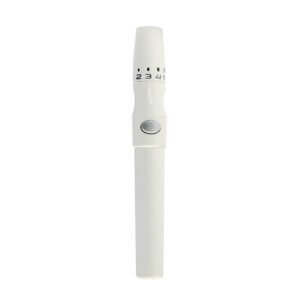
- Standard Glucose Meters: Basic devices that measure blood sugar levels. They typically require a separate lancet device for blood sampling.
- Continuous Glucose Monitors (CGMs): These provide real-time glucose readings via a sensor placed under the skin. CGMs alert users to high or low blood sugar levels, offering continuous monitoring without the need for finger pricks.
- Smart Glucose Meters: These can connect to smartphones or apps, allowing users to log their readings, track trends, and share data with healthcare providers easily.
- Overview of Test Strips
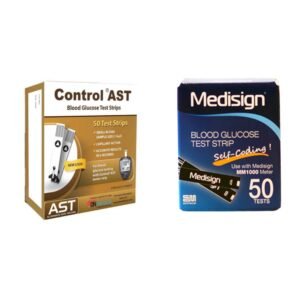
Test strips are disposable components used in conjunction with glucose meters. They contain chemicals that react with glucose in the blood, providing a measurable reading when inserted into the meter.
Key Features:
- Specificity: Different meters require specific test strips, so it’s crucial to use the correct ones for accurate readings.
- Expiration Dates: Test strips have expiration dates; using expired strips can lead to inaccurate results.
- Ease of Use: Many modern test strips require a smaller blood sample, making the testing process less painful and more convenient.
- Importance of Glucose Meters and Strips
- Diabetes Management: Regular monitoring of blood glucose levels is essential for managing diabetes effectively, helping to prevent complications related to high or low blood sugar.
- Personalized Care: Users can make informed decisions about their diet, exercise, and medication based on real-time glucose readings.
- Health Tracking: Many glucose meters allow users to track patterns over time, aiding in discussions with healthcare providers about treatment adjustments.
- Proper Usage and Storage
- Hygiene Practices: Always wash hands before testing to avoid contamination and ensure accurate results.
- Proper Storage: Test strips should be stored in a cool, dry place, away from direct sunlight and humidity, to maintain their effectiveness.
Conclusion
Glucose meters and test strips are crucial for anyone living with diabetes. They empower users to take control of their health by providing immediate feedback on blood sugar levels, enabling proactive management and improved quality of life.
Showing all 5 results