STRETCHERS
STRETCHERS – Essential Transport Solutions for Patient Safety and Comfort
Stretchers are vital medical devices used to transport patients securely and comfortably in emergency and healthcare settings. They allow caregivers to move patients who are injured, ill, or unable to move independently, ensuring safe transfer and minimizing physical strain on both patients and medical staff.
- Overview of Medical Stretchers
Medical stretchers are designed to provide stability, support, and comfort, allowing patients to be moved quickly in various healthcare environments, including hospitals, ambulances, and clinics. Constructed from durable materials like stainless steel or lightweight aluminum, they come with various features to suit specific medical situations.
Key Features:
- Lightweight and Portable: Designed for ease of transport, stretchers are lightweight yet sturdy.
- Secure Fastening: Many stretchers include straps or secure mechanisms to hold patients in place during movement.
- Adjustability: Some models offer adjustable height or backrest angles to improve patient comfort.
- Types of Stretchers
- Standard Manual Stretchers: Basic and easy-to-use, ideal for standard patient transport within healthcare facilities.
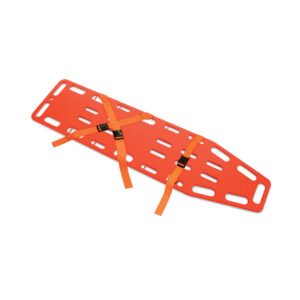
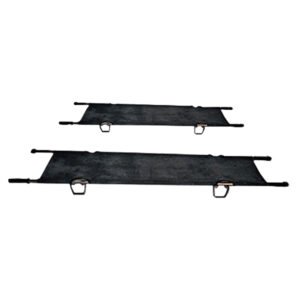
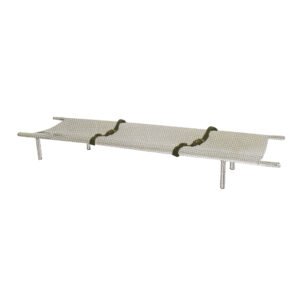
- Foldable Stretchers: Compact and portable, often used in rescue operations where space is limited.
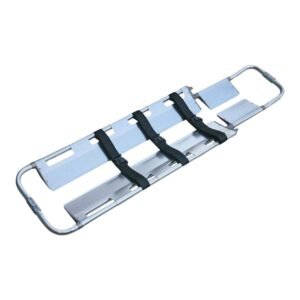
- Scoop Stretchers: Designed to split into halves to “scoop” up a patient, ideal for spinal injuries where minimal movement is essential.
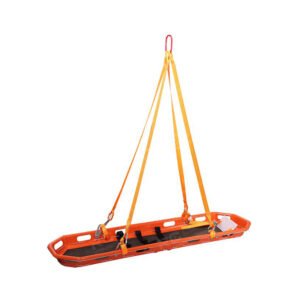
- Basket Stretchers: With a protective frame, these stretchers are suitable for rugged terrain or airlift rescues.
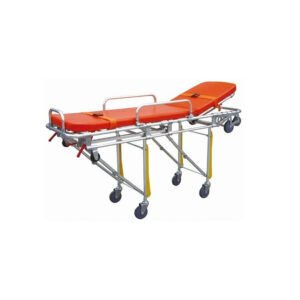
- Ambulance Stretchers: Equipped with wheels and a folding mechanism for easy loading into ambulances.
- Importance of Stretchers in Healthcare
- Safety and Stability: Stretchers provide a secure method to transport patients without risking additional injuries.
- Quick Mobility: Essential in emergencies, stretchers allow for rapid patient transport within and outside of healthcare settings.
- Versatile Application: With designs to suit different medical situations, stretchers are adaptable to a wide range of healthcare needs.
- Key Features and Accessories
- Wheeled Mobility: Many stretchers have wheels for smooth transport over various surfaces.
- Adjustable Backrests: Allow for reclining, which is beneficial for patient comfort and specific medical needs.
- Patient Straps and Side Rails: Help prevent patient movement and provide added security.
- IV Pole and Oxygen Tank Holders: For patient support during transport where additional medical devices are needed.
- Proper Stretcher Use and Maintenance
- Regular Inspection: Check for wear and tear on the stretcher, wheels, and safety straps.
- Cleaning Protocols: Stretchers should be cleaned and sanitized regularly to maintain hygiene standards.
- Staff Training: Proper training is essential to safely operate different stretcher models and ensure patient security.
Conclusion
Stretchers are indispensable tools in patient care, providing secure and efficient transportation in medical emergencies. They are essential for patient comfort and safety, allowing healthcare providers to respond swiftly and effectively.
Showing all 8 results