
BIOMEDICAL TEST EQUIPMENT
BIOMEDICAL TEST EQUIPMENT – Essential Tools for Precision and Safety in Healthcare
Biomedical test equipment is critical in healthcare settings to ensure the proper functioning and calibration of medical devices, supporting accuracy in diagnosis and treatment. This specialized equipment allows for regular testing, maintenance, and troubleshooting of biomedical devices, helping to maintain standards for patient safety and care quality.
- Types of Biomedical Test Equipment
Biomedical test equipment is designed to serve various purposes, each with unique applications:
- Electrical Safety Analyzers: Test for leakage current and other safety parameters in electronic medical devices, ensuring compliance with safety standards.
- Defibrillator Analyzers: Simulate heart rhythms and measure energy discharge to test the performance of defibrillators.
- ECG Simulators: Generate electrical signals that mimic heart rhythms, allowing testing of ECG monitors and related equipment.
- Ventilator Test Systems: Measure parameters like airflow, pressure, and volume in ventilators, ensuring they meet required performance levels.
- Infusion Pump Analyzers: Test the accuracy of infusion pumps by measuring flow rates, volume, and occlusion pressure.
- Patient Monitor Testers: Used to test multi-parameter monitors by simulating vital signs, verifying accuracy and reliability.
- Importance of Biomedical Test Equipment
Regular use of biomedical test equipment ensures:
- Device Accuracy: Medical equipment, especially in critical care, must operate within strict parameters, and testing helps maintain these standards.
- Patient Safety: Testing for electrical safety and functional accuracy reduces the risk of harm to patients and operators.
- Compliance with Standards: Biomedical test equipment is essential for meeting regulatory requirements for device safety and functionality.
- Equipment Longevity: Regular testing and calibration prevent premature wear and failure, saving costs and improving reliability.
- Improved Clinical Outcomes: Accurate equipment enhances diagnostic accuracy, supporting better patient outcomes.
- Key Biomedical Test Equipment and Their Functions
- Electrical Safety Analyzers: Test for ground resistance, leakage current, and insulation, ensuring device safety and compliance.
- Defibrillator Analyzers: Verify defibrillator performance by measuring output energy and response to simulated cardiac events.
- Flow Analyzers: Assess devices like ventilators by measuring gas flow, pressure, and volume in respiratory devices.
- Multiparameter Simulators: Test devices such as patient monitors by simulating various vital signs, including temperature, blood pressure, and oxygen saturation.
- Pulse Oximeter Analyzers: Verify the accuracy of pulse oximeters in measuring blood oxygen levels by simulating SpO2 levels.
- Steps for Effective Biomedical Equipment Testing
Effective biomedical equipment testing includes several steps:
- Routine Inspection: Visual checks and initial function tests.
- Performance Testing: Testing device functions against expected standards using simulators and analyzers.
- Electrical Safety Testing: Ensuring no hazardous leakage current is present and that grounding is secure.
- Calibration and Adjustment: Making adjustments as needed to bring equipment back within manufacturer specifications.
- Documentation and Compliance Verification: Recording results and ensuring compliance with safety regulations and internal policies.
- Maintenance and Handling of Biomedical Test Equipment
Proper care of biomedical test equipment is crucial for ensuring long-term effectiveness:
- Routine Calibration: Keeping test equipment calibrated is essential for accurate results.
- Proper Storage: Storing devices in temperature- and humidity-controlled environments to prevent damage.
- User Training: Ensuring staff are trained to handle and operate testing equipment correctly, reducing errors and damage.
Conclusion
Biomedical test equipment is indispensable for maintaining the accuracy, safety, and reliability of medical devices. From ensuring electrical safety to calibrating ventilators, these tools are foundational to quality healthcare, ensuring that equipment functions as expected for optimal patient care.
Showing all 9 results
-
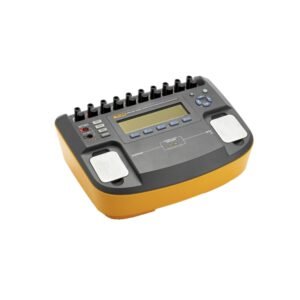
Defibrillator Analyzer
Add to Cart -
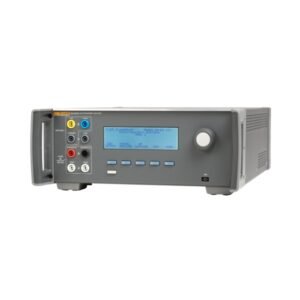
Electro Surgical Unit Analyzer
Add to Cart -
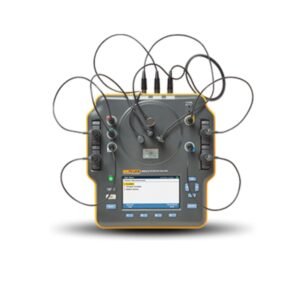
Infant Incubator Analyzer
Add to Cart -

Infusion Pump Analyzer
Add to Cart -
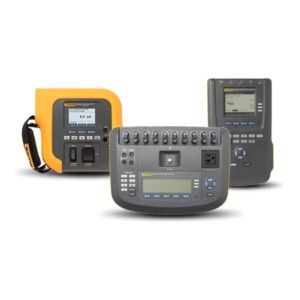
Medical Electrical Safety Analyzer
Add to Cart -
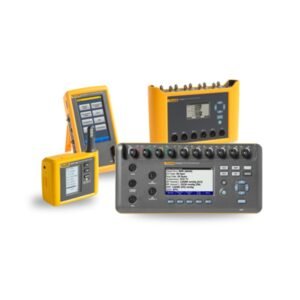
Multipara Patient Simulator
Add to Cart -

NIBP Simulator
Add to Cart -
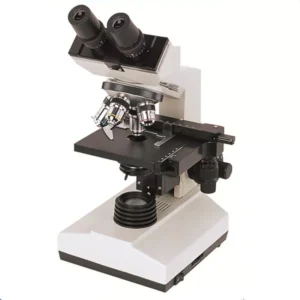
Novel Biological Microscope
Add to Cart -
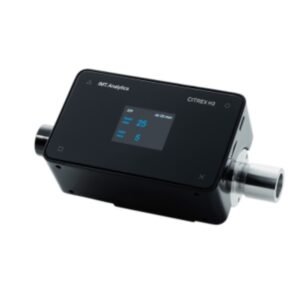
Ventilator Tester
Add to Cart