CARDIOLOGY EQUIPMENT
CARDIOLOGY EQUIPMENT – Essential Tools for Heart Health and Diagnosis
Cardiology equipment includes specialized devices designed to diagnose, monitor, and treat heart and vascular conditions. These tools aid healthcare professionals in identifying cardiovascular issues early, managing heart health effectively, and improving patient outcomes.
- Types of Cardiology Equipment
Cardiology equipment ranges from basic diagnostic tools to advanced imaging systems. Here are some common categories:
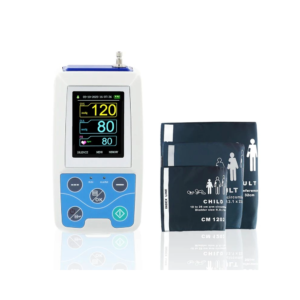
- Diagnostic Equipment: These include ECG machines, stethoscopes, and blood pressure monitors, essential for evaluating heart function and detecting arrhythmias or irregularities.
- Imaging Systems: Devices like echocardiography machines and CT scanners provide detailed images of the heart and blood vessels, helping to identify structural issues.
- Interventional Equipment: Catheters, stents, and defibrillators are used in procedures to treat heart conditions like blocked arteries or arrhythmias.
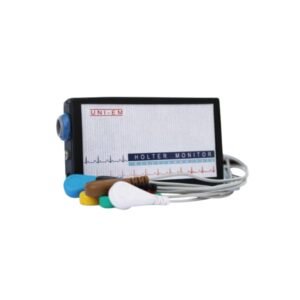
- Monitoring Equipment: Portable monitors, such as Holter monitors and cardiac event recorders, track heart rhythms over extended periods, allowing for continuous assessment outside of the hospital.
- Importance of Cardiology Equipment
Cardiology equipment is crucial for diagnosing, monitoring, and treating heart disease, which remains one of the leading causes of death worldwide. The right equipment allows healthcare providers to:
- Detect Early Symptoms: Early diagnosis can lead to preventive treatments that reduce the risk of severe cardiac events.
- Provide Continuous Monitoring: Monitoring tools track patient heart rates and rhythms, especially in critical care and post-operative recovery.
- Perform Interventional Procedures: Cardiology procedures, such as angioplasties, rely on precise equipment for optimal patient outcomes.
- Improve Patient Outcomes: Accurate, timely diagnosis and intervention improve recovery rates and reduce complications.
- Common Cardiology Equipment and Their Functions
- Electrocardiogram (ECG) Machine: Records electrical signals from the heart to diagnose arrhythmias, heart attacks, and other abnormalities.
- Defibrillator: Provides an electric shock to the heart in cases of cardiac arrest, restoring a normal rhythm.
- Echocardiography Machine: Uses ultrasound to create images of the heart, assessing its structure and function.
- Holter Monitor: A portable device that continuously records heart rhythms over 24-48 hours, useful for detecting intermittent arrhythmias.
- Cardiac Catheterization Equipment: Used in minimally invasive procedures to treat blocked arteries and improve blood flow.
- Care and Maintenance of Cardiology Equipment
Proper maintenance and care of cardiology equipment are vital for accuracy and reliability:
- Regular Calibration: Ensures equipment, like ECG machines and blood pressure monitors, provides accurate readings.
- Sterilization: Catheters and other interventional tools must be thoroughly sterilized to prevent infections.
- Battery Checks: Devices such as portable monitors and defibrillators require regular battery inspections to ensure they function when needed.
- Software Updates: Advanced imaging systems may need software updates to maintain performance and accuracy.
Conclusion
Cardiology equipment is essential in the diagnosis, monitoring, and treatment of heart conditions, enabling healthcare professionals to provide top-quality cardiac care. These tools, ranging from diagnostic ECG machines to life-saving defibrillators, are crucial for improving heart health outcomes.
Showing 1–2 of 14 results