
CRITICAL CARE EQUIPMENT
CRITICAL CARE EQUIPMENT – Vital Technology for Intensive Care Units (ICUs)
Critical care equipment is designed to support patients with life-threatening conditions, helping stabilize vital functions and monitor key health indicators. These specialized tools are primarily used in Intensive Care Units (ICUs), operating rooms, and emergency departments, playing a central role in patient survival and recovery.
- Key Types of Critical Care Equipment
Critical care equipment encompasses a variety of devices, each with a unique function in patient monitoring, life support, and treatment:
- Ventilators: Provide mechanical respiration to patients unable to breathe independently, supplying oxygen and removing carbon dioxide.
- Patient Monitors: Track vital signs such as heart rate, blood pressure, respiratory rate, and oxygen saturation, with real-time updates.
- Defibrillators: Deliver controlled electric shocks to the heart in cases of life-threatening arrhythmias or cardiac arrest, restoring normal rhythm.
- Infusion Pumps: Control the precise delivery of fluids, medications, and nutrients, critical for managing drug dosages and treatment regimens.
- ECG Machines: Measure the electrical activity of the heart, providing information on cardiac function and detecting irregularities.
- Suction Machines: Remove secretions and fluids from the airway, keeping the respiratory tract clear in critical patients.
- Dialysis Machines: Substitute kidney function, filtering waste products and excess fluid from the blood for patients with kidney failure.
- Oxygen Supply Systems: Deliver and regulate oxygen levels to patients with respiratory distress or compromised lung function.
- Anesthesia Machines: Administer anesthetic agents and monitor patients’ vital signs during surgical procedures.
- Importance of Critical Care Equipment
The equipment used in critical care is essential for:
- Life Support and Stabilization: Maintaining vital functions in severely ill patients unable to sustain them independently.
- Continuous Monitoring: Tracking physiological parameters in real time to quickly detect any changes in patient status.
- Emergency Intervention: Enabling rapid intervention during cardiac arrest, respiratory failure, or severe trauma.
- Precise Medication Delivery: Controlling medication and fluid administration to avoid overdosing or underdosing in sensitive patients.
- Improving Survival Rates: Providing essential support during the most vulnerable stages of illness or injury, enhancing the likelihood of recovery.
- Proper Use and Maintenance of Critical Care Equipment
Maintaining critical care equipment involves:
- Routine Calibration and Testing: Regular checks to ensure equipment is functioning accurately, especially for monitors and ventilators.
- Sanitation Protocols: Regular cleaning and sterilization to prevent infection, as critical care equipment often comes into contact with patients’ bodily fluids.
- Staff Training: Ensuring that ICU staff understand the proper operation of each device and can troubleshoot issues in real time.
- Emergency Preparedness: Keeping backup power and alternative devices ready in case of equipment failure.
- Key Considerations in Selecting Critical Care Equipment
- Reliability and Durability: Equipment should be reliable under constant use and have minimal downtime.
- Ease of Use: Simple interfaces and intuitive controls help reduce errors and improve efficiency in emergencies.
- Data Integration: Compatibility with patient records and hospital systems for seamless documentation and monitoring.
- Patient Comfort and Safety: Ensuring devices are designed for patient comfort without compromising effectiveness.
Conclusion
Critical care equipment is the foundation of intensive care units, providing life-saving support to patients in critical condition. From ventilators to defibrillators, these devices are designed to stabilize, monitor, and support patients, improving their chances of recovery in high-stakes environments. Proper maintenance, usage, and training on this equipment are essential for maximizing its impact in critical care.
Showing all 9 results
-
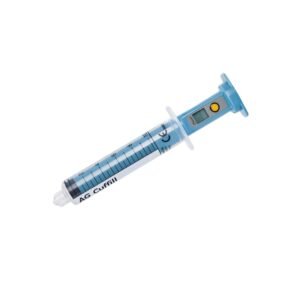
AG Cuffill
Add to Cart -
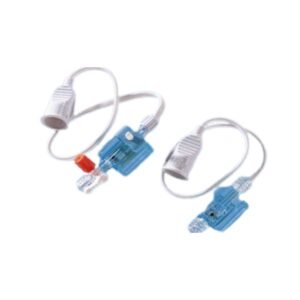
CVP and IBP kits
Add to Cart -
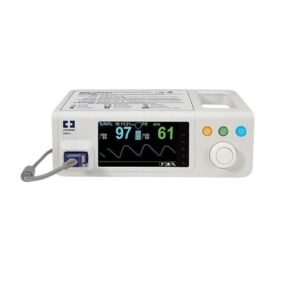
Nellcor Pulse Oximeter Bedside SpO2 Monitor
Add to Cart -
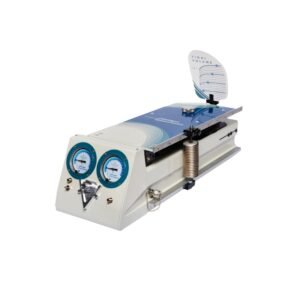
Test Lung Simulation Device
Add to Cart -
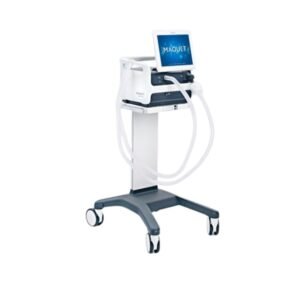
Ventilator Servo-Air
Add to Cart -
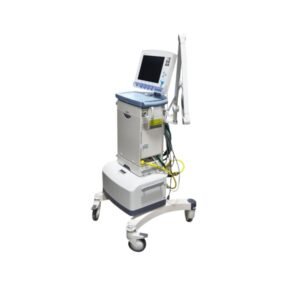
Ventilator Servo-I
Add to Cart -
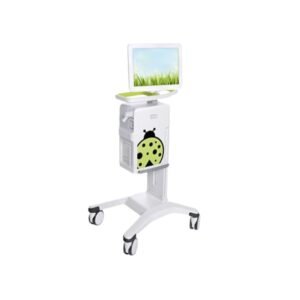
Ventilator Servo-N
Add to Cart -
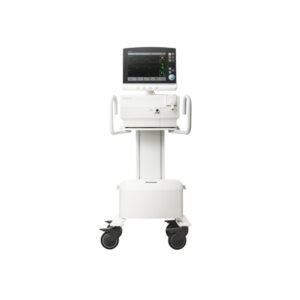
Ventilator Servo-S
Add to Cart -
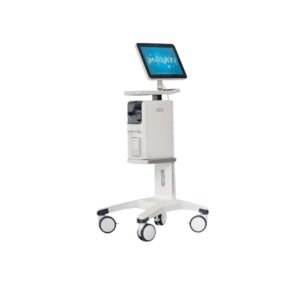
Ventilator Servo-U
Add to Cart