DERMATOLOGY EQUIPMENT
DERMATOLOGY EQUIPMENT – Essential Tools for Skin Health and Treatment
Dermatology equipment plays a vital role in diagnosing and treating skin conditions, hair disorders, and nail diseases. These specialized instruments help dermatologists provide effective care and ensure optimal outcomes for patients suffering from various dermatological issues.
- Key Types of Dermatology Equipment
Dermatology encompasses a wide range of equipment designed for different purposes, including examination, diagnosis, treatment, and surgical procedures:
- Dermatoscopes: These handheld devices allow for magnified visualization of skin lesions, helping dermatologists assess conditions like melanoma and other skin cancers.
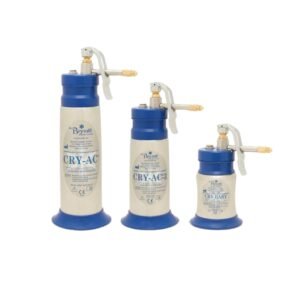
- Cryotherapy Units: Used for the treatment of warts, actinic keratosis, and other skin lesions, these units deliver extreme cold to destroy abnormal tissues.
- Laser Devices: Different types of lasers (such as CO2, Nd
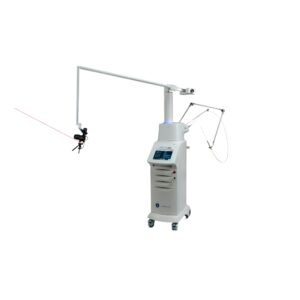
, and pulsed dye lasers) are used for various treatments, including hair removal, scar revision, and tattoo removal.
- LED Light Therapy Devices: Utilize specific wavelengths of light to treat conditions like acne, psoriasis, and eczema by reducing inflammation and promoting healing.
- Electrosurgical Units: Used for surgical procedures, these devices employ high-frequency electrical currents to cut tissue and coagulate blood, minimizing bleeding.
- Skin Biopsy Tools: Instruments such as punch biopsy tools and shave biopsy scalpels allow dermatologists to obtain tissue samples for further examination and diagnosis.
- Magnifying Lamps: Provide enhanced visibility of the skin’s surface and lesions during examinations, ensuring thorough assessment.
- Wood’s Lamp: A specialized light that helps diagnose skin conditions by highlighting fungal infections, pigmentation disorders, and other issues.
- Ultrasound Devices: Used for non-invasive imaging of skin and soft tissue, aiding in the evaluation of deeper lesions and conditions.
- Importance of Dermatology Equipment
The equipment used in dermatology is essential for:
- Accurate Diagnosis: Advanced tools enable dermatologists to diagnose skin conditions more precisely, improving treatment outcomes.
- Effective Treatment: Specialized devices allow for targeted therapies, such as laser treatments and cryotherapy, which can lead to better results for patients.
- Minimally Invasive Procedures: Equipment designed for biopsies and electrosurgery helps perform procedures with minimal discomfort and downtime for patients.
- Monitoring Skin Health: Devices like dermatoscopes enable regular monitoring of moles and lesions to detect any changes over time, aiding in early intervention for skin cancer.
- Proper Use and Maintenance of Dermatology Equipment
To ensure optimal performance and longevity, dermatology equipment requires:
- Routine Calibration and Testing: Regular checks are necessary to maintain accuracy, particularly for diagnostic devices like dermatoscopes and lasers.
- Cleaning and Sterilization Protocols: Equipment must be properly cleaned and sterilized between uses to prevent cross-contamination and infections.
- Staff Training: Dermatology staff should be trained in the proper use of each piece of equipment to minimize errors and ensure patient safety.
- Regular Inspections: Equipment should be inspected periodically for wear and tear, with prompt repairs or replacements as needed.
- Key Considerations in Selecting Dermatology Equipment
- Functionality and Versatility: Equipment should be capable of performing multiple tasks to maximize its utility in a dermatology practice.
- User-Friendly Design: Instruments with intuitive controls and clear displays enhance ease of use for practitioners.
- Patient Safety: Equipment should be designed with patient comfort and safety in mind, minimizing any risk of injury or adverse effects.
- Durability and Reliability: Choosing high-quality equipment ensures long-term performance and reduces the need for frequent replacements.
Conclusion
Dermatology equipment is fundamental to the effective diagnosis and treatment of skin conditions. From dermatoscopes to laser devices, these tools enable dermatologists to provide comprehensive care, ensuring patients receive the best possible outcomes for their skin health. Proper maintenance, training, and careful selection of equipment are essential for optimizing its use in clinical practice.
Showing 1–2 of 5 results