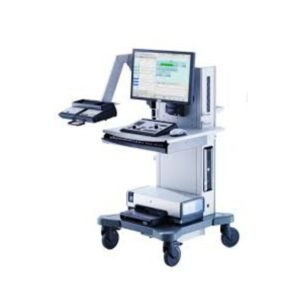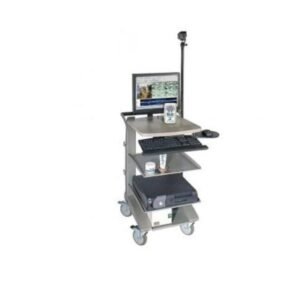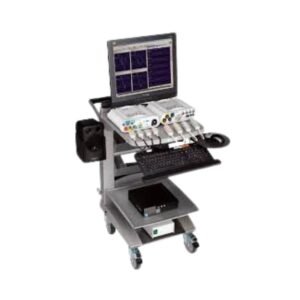
DIAGNOSTICS EQUIPMENT
DIAGNOSTICS EQUIPMENT – Essential Tools for Accurate Medical Assessment
Diagnostics equipment is crucial in healthcare, enabling medical professionals to assess, diagnose, and monitor various health conditions effectively. This equipment encompasses a wide range of tools and devices designed to gather information about a patient’s health status, leading to accurate diagnoses and appropriate treatment plans.
- Key Types of Diagnostics Equipment
Diagnostics equipment includes various tools tailored for specific diagnostic procedures. Here are some of the most common types:
- Blood Pressure Monitors: Used to measure blood pressure levels, helping diagnose conditions like hypertension.
- Stethoscopes: Essential for listening to heartbeats, lung sounds, and other bodily noises, aiding in the assessment of various health conditions.
- Thermometers: Used to measure body temperature, assisting in identifying fevers or hypothermia.
- Electrocardiograms (ECG or EKG): Devices that record the electrical activity of the heart, useful for diagnosing arrhythmias, heart attacks, and other cardiac conditions.
- Ultrasound Machines: Use sound waves to create images of internal organs and tissues, aiding in the diagnosis of conditions in various medical fields, including obstetrics and gynecology.
- X-ray Machines: Produce images of bones and internal structures, helping diagnose fractures, infections, and tumors.
- Magnetic Resonance Imaging (MRI) Machines: Provide detailed images of soft tissues, assisting in diagnosing conditions related to the brain, spinal cord, and joints.
- Computed Tomography (CT) Scanners: Combine X-ray images taken from different angles to create cross-sectional images of the body, helpful in diagnosing complex conditions.
- Blood Glucose Meters: Used for monitoring blood sugar levels in diabetic patients, ensuring effective management of the condition.
- Pulse Oximeters: Measure the oxygen saturation level in the blood, providing crucial information about respiratory function.
- Importance of Diagnostics Equipment
The effectiveness of diagnostics equipment is paramount in healthcare for several reasons:
- Accurate Diagnoses: Advanced diagnostic tools enable healthcare professionals to make precise assessments of a patient’s condition, leading to targeted treatments.
- Early Detection: Many diagnostic devices can identify health issues in their early stages, allowing for timely intervention and better patient outcomes.
- Monitoring Chronic Conditions: Equipment such as blood glucose meters and blood pressure monitors enables patients and healthcare providers to track chronic conditions effectively.
- Guiding Treatment Decisions: Diagnostic imaging and testing help physicians choose the most appropriate treatment plans based on accurate data.
- Proper Use and Maintenance of Diagnostics Equipment
To ensure the reliability and longevity of diagnostics equipment, proper use and maintenance are essential:
- Regular Calibration: Equipment must be regularly calibrated to ensure accurate measurements and results.
- Cleaning Protocols: Proper cleaning and sterilization are critical to prevent cross-contamination and infections, especially for devices used on multiple patients.
- User Training: Healthcare professionals should receive adequate training in the proper use of diagnostic tools to minimize errors and enhance patient safety.
- Scheduled Inspections: Regular inspections of equipment for wear and tear are necessary to maintain functionality and ensure patient safety.
- Key Considerations in Selecting Diagnostics Equipment
When choosing diagnostics equipment, consider the following factors:
- Functionality: The equipment should meet the specific needs of the healthcare facility and the types of diagnostic tests performed.
- Ease of Use: User-friendly designs facilitate effective training and improve efficiency in clinical settings.
- Reliability: Opt for high-quality equipment from reputable manufacturers to ensure durability and accuracy.
- Cost-Effectiveness: Evaluate the cost of equipment in relation to its features and expected lifespan, balancing initial investment with long-term value.
Conclusion
Diagnostics equipment is an integral part of healthcare, playing a vital role in the accurate assessment and diagnosis of various medical conditions. From blood pressure monitors to advanced imaging machines, these tools enable healthcare professionals to provide comprehensive care, ensuring patients receive timely and effective treatment. Regular maintenance, proper training, and careful selection of equipment are essential for optimizing its use in clinical practice.
Showing all 3 results