NEONATOLOGY EQUIPMENT
Neonatology Equipment – Essential Tools for Newborn Care
Neonatology is a specialized branch of pediatrics that focuses on the medical care of newborn infants, particularly those who are ill or born prematurely. This field requires specialized equipment designed to monitor, diagnose, and treat various conditions in newborns. The proper use of neonatology equipment is crucial for ensuring the health and survival of vulnerable infants.
- Key Types of Neonatology Equipment
Neonatology equipment encompasses a wide range of tools and devices that assist healthcare professionals in providing optimal care for newborns. Some essential instruments include:
- Incubators: Enclosed, temperature-controlled units that provide a stable environment for premature or ill infants, helping to regulate their body temperature and protect them from infections.
- Phototherapy Units: Devices used to treat jaundice in newborns by exposing them to specific wavelengths of light that help break down bilirubin in the blood.
- Ventilators: Machines that assist or control the breathing of infants with respiratory distress, providing precise oxygen levels and respiratory support.
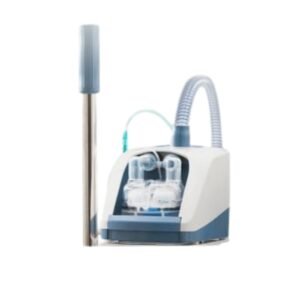
- Continuous Positive Airway Pressure (CPAP) Devices: Equipment that delivers a continuous flow of air to keep the airways open in infants with breathing difficulties.
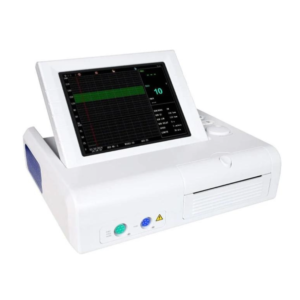
- Neonatal Monitors: Devices that continuously track vital signs, including heart rate, respiratory rate, and oxygen saturation, allowing for real-time assessment of the infant’s condition.
- Suction Machines: Instruments that clear airways of mucus or other secretions, essential for infants who have difficulty breathing.
- Infusion Pumps: Devices used to deliver medications or nutrients intravenously, ensuring precise dosing for critically ill infants.
- Thermal Warmers: Equipment that provides a warm environment for newborns immediately after birth, helping to prevent hypothermia.
- Cots and Cribs: Specialized beds designed for newborns, often equipped with features that enhance safety and comfort.
- Importance of Neonatology Equipment
The significance of neonatology equipment in newborn healthcare is profound:
- Critical Care: Neonatal equipment is designed to meet the unique needs of newborns, who require careful monitoring and specialized interventions to survive and thrive.
- Early Detection: Advanced monitoring and diagnostic tools enable early identification of potential health issues, allowing for timely interventions.
- Improved Outcomes: Proper use of neonatology equipment has been linked to better survival rates and long-term health outcomes for premature and critically ill infants.
- Family Support: Equipment that facilitates safe and effective care also provides reassurance to families during challenging times.
- Proper Use and Maintenance of Neonatology Equipment
To ensure the effectiveness and safety of neonatology equipment, proper use and maintenance are vital:
- Training: Healthcare providers must be thoroughly trained in the operation and care of neonatal equipment to minimize risks and errors.
- Routine Calibration: Regular calibration of monitoring devices is essential to ensure accurate readings and assessments.
- Cleaning and Sterilization: Strict adherence to cleaning protocols helps prevent infections and maintains the integrity of equipment.
- Regular Inspections: Conducting routine checks on equipment ensures that all devices function correctly and are safe for use.
- Key Considerations in Selecting Neonatology Equipment
When choosing neonatology equipment, consider the following factors:
- Functionality: Ensure that the equipment meets the specific needs of the neonatal unit, accommodating various conditions and treatments.
- Quality and Reliability: Select high-quality instruments from reputable manufacturers to guarantee durability and effectiveness.
- User-Friendliness: Choose equipment that is easy to use, facilitating efficient care for healthcare providers.
- Cost-Effectiveness: Evaluate the cost relative to the features and expected lifespan, balancing initial investment with long-term value.
Conclusion
Neonatology equipment plays a crucial role in the care of newborn infants, particularly those who are premature or critically ill. From incubators to monitoring devices, these specialized tools enable healthcare professionals to provide comprehensive and effective care. Proper training, maintenance, and selection of equipment are essential for optimizing neonatal care and improving outcomes for vulnerable infants.
Showing 1–2 of 10 results