NEUROLOGY EQUIPMENT
Neurology Equipment – Key Tools for Brain and Nervous System Care
Neurology is a specialized field of medicine focused on the diagnosis and treatment of disorders affecting the brain, spinal cord, and peripheral nervous system. The use of advanced neurology equipment is essential for healthcare professionals to accurately assess, diagnose, and treat neurological conditions. This equipment ranges from diagnostic tools to therapeutic devices, playing a vital role in patient care.
- Key Types of Neurology Equipment
Neurology equipment encompasses various tools that aid in the understanding and treatment of neurological disorders. Some essential types of equipment include:
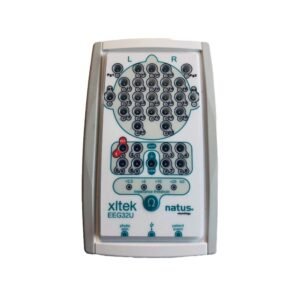
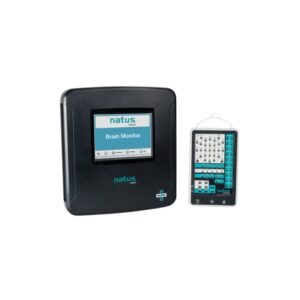
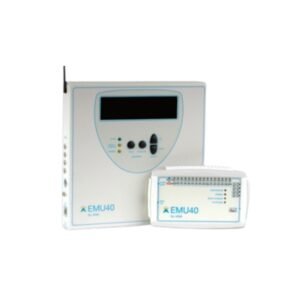
- Electroencephalogram (EEG) Machines: Devices used to measure electrical activity in the brain, helping diagnose conditions like epilepsy, sleep disorders, and brain injuries.
- Magnetic Resonance Imaging (MRI) Scanners: Imaging devices that provide detailed images of the brain and spinal cord, crucial for diagnosing tumors, strokes, and other neurological conditions.
- Computed Tomography (CT) Scanners: Diagnostic imaging equipment that uses X-rays to create cross-sectional images of the brain, assisting in the detection of hemorrhages and other abnormalities.
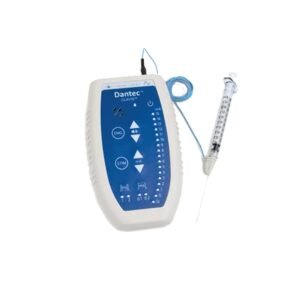
- Electromyography (EMG) Machines: Tools that assess the health of muscles and the nerve cells that control them, helping diagnose conditions like muscular dystrophy and nerve damage.
- Transcranial Magnetic Stimulation (TMS) Devices: Non-invasive tools that use magnetic fields to stimulate nerve cells in the brain, often used in research and treatment for depression and other neurological disorders.
- Lumbar Puncture Kits: Sterile equipment used for performing spinal taps to collect cerebrospinal fluid for diagnostic testing, crucial in diagnosing infections, bleeding, and neurological diseases.
- Neurostimulation Devices: Tools such as deep brain stimulators and transcutaneous electrical nerve stimulation (TENS) units used to treat chronic pain, movement disorders, and other neurological conditions.
- Portable EEG Monitors: Mobile devices that allow for continuous monitoring of brain activity, facilitating remote patient care and data collection.
- Balance and Gait Analysis Systems: Equipment that assesses a patient’s balance and walking patterns, essential for diagnosing conditions like Parkinson’s disease and multiple sclerosis.
- Importance of Neurology Equipment
The significance of neurology equipment in patient care is profound:
- Accurate Diagnosis: Advanced imaging and monitoring tools provide critical information that aids in the accurate diagnosis of complex neurological conditions.
- Effective Treatment: Therapeutic devices enhance treatment options for patients, improving outcomes in conditions like epilepsy, chronic pain, and mental health disorders.
- Research and Development: Neurology equipment is essential for research studies, helping to advance understanding and treatment of neurological diseases.
- Patient Monitoring: Continuous monitoring devices allow for real-time assessment of neurological conditions, enabling timely interventions.
- Proper Use and Maintenance of Neurology Equipment
To ensure the effectiveness and safety of neurology equipment, proper use and maintenance are vital:
- Training: Healthcare providers must receive specialized training in the operation and interpretation of neurology equipment to ensure accurate results.
- Routine Calibration: Regular calibration and maintenance of diagnostic tools are essential to maintain accuracy and reliability.
- Cleaning Protocols: Strict adherence to cleaning and sterilization protocols prevents cross-contamination and ensures patient safety.
- Data Management: Proper management of collected data is crucial for effective diagnosis and treatment planning.
- Key Considerations in Selecting Neurology Equipment
When choosing neurology equipment, consider the following factors:
- Functionality: Ensure that the equipment meets the specific needs of the neurology department, accommodating various diagnostic and treatment requirements.
- Quality and Reliability: Select high-quality instruments from reputable manufacturers to guarantee durability and precision.
- User-Friendliness: Choose equipment that is easy to use and interpret, facilitating efficient care for healthcare providers.
- Cost-Effectiveness: Evaluate the cost relative to features and expected lifespan, balancing initial investment with long-term value.
Conclusion
Neurology equipment plays a crucial role in the diagnosis and treatment of neurological disorders. From EEG machines to MRI scanners, these specialized tools enable healthcare professionals to provide comprehensive and effective care for patients with complex conditions. Proper training, maintenance, and selection of equipment are essential for optimizing neurological care and improving patient outcomes.
Showing all 5 results