ONCOLOGY EQUIPMENT
Oncology Equipment – Essential Tools for Cancer Care
Oncology is a branch of medicine focused on the diagnosis, treatment, and management of cancer. The field relies heavily on advanced technology and specialized equipment to provide effective care for patients with various types of cancer. Oncology equipment includes diagnostic imaging machines, treatment devices, and supportive care tools, all designed to enhance the quality of care and improve patient outcomes.
- Key Types of Oncology Equipment
Oncology equipment encompasses a variety of tools that play crucial roles in cancer diagnosis, treatment, and monitoring. Some of the key types of equipment include:
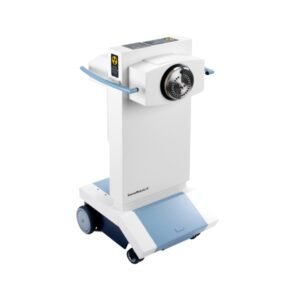
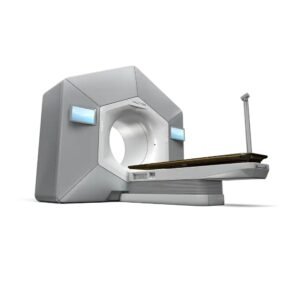
- Radiation Therapy Machines: Devices such as linear accelerators (LINAC) are used to deliver high-energy radiation to target and kill cancer cells. This equipment is essential for both external beam radiation therapy and brachytherapy.
- Chemotherapy Infusion Pumps: These automated devices allow for the precise administration of chemotherapy drugs, ensuring accurate dosing and reducing the risk of side effects.
- Diagnostic Imaging Machines:
- Computed Tomography (CT) Scanners: Used to create detailed cross-sectional images of the body, CT scans help identify tumors and assess their size and location.
- Magnetic Resonance Imaging (MRI) Scanners: MRI machines provide detailed images of soft tissues, crucial for diagnosing and monitoring brain and spinal cord tumors.
- Positron Emission Tomography (PET) Scanners: PET scans are used to detect cancer and monitor treatment response by highlighting metabolic activity in tissues.
- Biopsy Equipment: Tools such as needles and biopsy guns are used to obtain tissue samples for histological analysis, aiding in the diagnosis of cancer.
- Endoscopy Equipment: Endoscopes allow physicians to visualize the interior of organs and perform biopsies, essential for diagnosing cancers in areas like the gastrointestinal tract and lungs.
- Surgical Instruments: Specialized tools for oncological surgeries, including scalpels, forceps, and retractors, are used to remove tumors and surrounding tissue.
- Cryotherapy Devices: Equipment that freezes and destroys cancerous tissue, often used for superficial tumors.
- Supportive Care Devices:
- Pain Management Systems: Devices for administering pain relief, such as patient-controlled analgesia (PCA) pumps.
- Nutritional Support Equipment: Tools for enteral feeding in patients who cannot eat normally due to cancer treatment.
- Telemedicine Equipment: Technologies that facilitate remote consultations and monitoring, allowing patients to receive care without frequent in-person visits.
- Importance of Oncology Equipment
The significance of oncology equipment in patient care is profound:
- Accurate Diagnosis: Advanced imaging and diagnostic tools provide critical information for identifying cancer types and stages, leading to tailored treatment plans.
- Effective Treatment: Equipment for radiation therapy and chemotherapy allows for targeted treatment approaches, minimizing damage to surrounding healthy tissues.
- Monitoring and Follow-Up: Devices for imaging and blood analysis enable healthcare providers to monitor treatment effectiveness and detect any recurrence early.
- Improved Patient Comfort: Supportive care devices enhance the overall patient experience, addressing pain and nutritional needs during treatment.
- Proper Use and Maintenance of Oncology Equipment
To ensure safety and effectiveness, proper use and maintenance of oncology equipment are vital:
- Training: Healthcare professionals must receive specialized training in the operation and interpretation of oncology equipment to ensure accurate results and patient safety.
- Routine Maintenance: Regular calibration and maintenance of diagnostic and treatment devices are essential to maintain accuracy and functionality.
- Infection Control: Strict adherence to sterilization protocols for surgical instruments and biopsy equipment is critical to prevent infections.
- Data Management: Effective management of patient data collected from diagnostic equipment is essential for treatment planning and monitoring.
- Key Considerations in Selecting Oncology Equipment
When choosing oncology equipment, consider the following factors:
- Functionality: Ensure that the equipment meets the specific needs of the oncology department, accommodating various diagnostic and treatment requirements.
- Quality and Reliability: Select high-quality instruments from reputable manufacturers to guarantee durability and precision.
- User-Friendliness: Choose equipment that is easy to operate and interpret, facilitating efficient care for healthcare providers.
- Cost-Effectiveness: Evaluate the cost relative to features and expected lifespan, balancing initial investment with long-term value.
Conclusion
Oncology equipment plays a critical role in the effective diagnosis and treatment of cancer. From radiation therapy machines to diagnostic imaging devices, these specialized tools enable healthcare professionals to provide comprehensive and effective care for patients. Proper training, maintenance, and selection of equipment are essential for optimizing oncology care and improving patient outcomes.
Showing 1–2 of 9 results