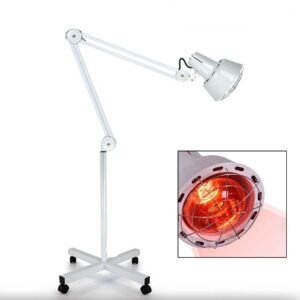
PHYSIOTHERAPY EQUIPMENT
Physiotherapy Equipment – Essential Tools for Rehabilitation
Physiotherapy is a healthcare discipline focused on enhancing and restoring movement and physical function in individuals affected by injury, illness, or disability. A wide range of equipment is used by physiotherapists to facilitate rehabilitation, promote recovery, and enhance patient outcomes. This equipment is designed to assist in assessments, therapeutic exercises, and various modalities of treatment.
- Key Types of Physiotherapy Equipment
Physiotherapy equipment encompasses various tools and devices that cater to different rehabilitation needs. Some of the key types include:
- Therapeutic Exercise Equipment:
- Resistance Bands: These elastic bands provide resistance for strength training exercises and are versatile for various rehabilitation protocols.
- Weights and Dumbbells: Used for strength training to enhance muscle tone and function.
- Exercise Balls: Stability balls aid in balance training and core strengthening exercises.
- Foam Rollers: Utilized for self-myofascial release to alleviate muscle tightness and improve flexibility.
- Modalities Equipment:
- Ultrasound Machines: Use high-frequency sound waves to promote tissue healing and reduce pain and inflammation.
- Electrical Stimulation Units: Devices like TENS (Transcutaneous Electrical Nerve Stimulation) and NMES (Neuromuscular Electrical Stimulation) help manage pain and facilitate muscle contraction.
- Hot and Cold Packs: These packs are used for thermal therapy to manage pain and inflammation.
- Laser Therapy Devices: Low-level laser therapy is used to promote healing and reduce pain.
- Assessment Tools:
- Goniometers: Instruments for measuring joint angles and assessing range of motion.
- Dynamometers: Devices for measuring muscle strength and assessing functional capacity.
- Balance and Stability Tests: Tools like balance boards and stability discs help evaluate and improve balance.
- Assistive Devices:
- Walkers and Crutches: Provide support for individuals with mobility challenges.
- Canes: Assist with balance and weight-bearing during ambulation.
- Orthotic Devices: Customized braces and supports that aid in stabilizing joints and enhancing mobility.
- Treatment Tables and Equipment:
- Treatment Tables: Adjustable tables provide a comfortable space for patient assessments and treatments.
- Hydrotherapy Equipment: Whirlpool baths and aquatic therapy equipment facilitate rehabilitation in a water setting.
- Therapeutic Tools:
- Massage Tools: Devices like massage guns or rollers are used to relieve muscle tension and promote relaxation.
- Therapist-Designed Equipment: Tools such as therabands, plyometric boxes, and balance cushions enhance therapeutic exercises.
- Importance of Physiotherapy Equipment
The significance of physiotherapy equipment in patient care is profound:
- Facilitates Recovery: Specialized tools help in the rehabilitation of patients recovering from injuries, surgeries, or chronic conditions.
- Enhances Functionality: Equipment is designed to improve strength, mobility, and overall physical function, aiding patients in their daily activities.
- Pain Management: Modalities like ultrasound and electrical stimulation devices provide effective pain relief, allowing patients to participate actively in their rehabilitation.
- Objective Assessments: Assessment tools enable physiotherapists to evaluate progress and adjust treatment plans based on objective data.
- Patient Engagement: Interactive equipment encourages patient involvement in their rehabilitation process, enhancing motivation and adherence to therapy.
- Proper Use and Maintenance of Physiotherapy Equipment
To ensure safety and effectiveness, proper use and maintenance of physiotherapy equipment are vital:
- Training: Healthcare professionals must receive training in the operation of specialized equipment to ensure effective and safe treatment.
- Regular Maintenance: Routine checks and maintenance are essential to keep equipment in good working condition and ensure accurate performance.
- Infection Control: Following proper hygiene protocols, especially for treatment tables and modalities, is critical to preventing infections.
- Data Management: Efficient record-keeping of patient assessments and treatment progress enhances continuity of care.
- Key Considerations in Selecting Physiotherapy Equipment
When choosing physiotherapy equipment, consider the following factors:
- Functionality: Ensure that the equipment meets the specific rehabilitation needs of your patient population.
- Quality and Durability: Select high-quality equipment from reputable manufacturers to guarantee long-lasting use.
- User-Friendliness: Choose equipment that is easy for both practitioners and patients to use, facilitating effective therapy.
- Cost-Effectiveness: Evaluate the cost in relation to features, quality, and long-term value to ensure a good return on investment.
Conclusion
Physiotherapy equipment is essential for effective rehabilitation and patient care. From exercise tools to modalities and assessment devices, these tools support physiotherapists in delivering high-quality therapy. Proper training, maintenance, and selection of equipment are vital to optimize physiotherapy outcomes and improve the quality of life for patients.
Showing 1–2 of 10 results