
STERILE PROCESSING PRODUCTS
STERILE PROCESSING PRODUCTS – Ensuring Safety and Hygiene in Healthcare
Sterile processing products are essential tools in medical environments to ensure the cleanliness and sterility of surgical instruments, equipment, and other medical devices. These products play a crucial role in preventing infections and maintaining a safe environment for both patients and healthcare professionals.
1. Types of Sterile Processing Products
Sterile processing products are diverse and cover various stages of cleaning, disinfection, and sterilization:
- Sterilization Wraps and Pouches: Used to securely wrap instruments and equipment, maintaining sterility after autoclaving until use.
- Instrument Trays and Baskets: Organize and protect instruments during sterilization and transport, reducing the risk of contamination.
- Ultrasonic Cleaners: Use high-frequency sound waves to remove debris from instruments before sterilization.
- Disinfectants and Cleaning Solutions: Specialized solutions to pre-clean and disinfect instruments, removing organic material and contaminants.
- Autoclave Tapes and Indicators: These indicators confirm successful sterilization cycles by changing color when exposed to appropriate conditions.
2. Importance of Sterile Processing Products
Sterile processing products are critical in healthcare environments for:
- Infection Control: Ensuring instruments are free of pathogens minimizes the risk of healthcare-associated infections.
- Maintaining Equipment Longevity: Proper cleaning and sterilization protect instruments from corrosion and damage.
- Compliance with Standards: Sterile processing products help meet healthcare regulations for cleanliness and patient safety.
- Supporting Surgical Efficiency: Organized, sterile equipment reduces setup time and ensures availability during procedures.
3. Key Sterile Processing Products and Their Functions
- Sterilization Pouches and Wraps: Protect sterilized items from contamination, with self-sealing or heat-sealing options available.
- Instrument Cleaning Brushes: Remove debris from hard-to-reach areas on surgical instruments before sterilization.
- Ultrasonic Cleaners: Provide thorough cleaning, especially for instruments with intricate parts and crevices.
- Autoclaves and Sterilizers: Use heat, steam, or chemicals to achieve high-level sterilization for reusable medical tools.
- Indicator Strips and Tape: Show a visible indication of successful sterilization, providing an extra layer of safety.
4. Steps for Effective Sterile Processing
Sterile processing involves several stages to ensure complete sterilization:
- Pre-Cleaning: Removing visible debris with cleaning brushes and enzymatic solutions.
- Ultrasonic Cleaning: Using ultrasonic machines to cleanse instruments thoroughly.
- Rinsing and Drying: Ensuring all cleaning agents are removed to avoid residue.
- Packaging: Using sterile wraps and pouches to prepare items for autoclaving.
- Sterilization: Processing items in an autoclave with chemical or biological indicators.
- Storage: Storing in sterile trays or cabinets until use.
5. Maintenance and Handling of Sterile Processing Products
Proper maintenance ensures the effectiveness and longevity of sterile processing products:
- Routine Cleaning of Sterilizers and Ultrasonic Cleaners: Prevents buildup and ensures reliable operation.
- Storage of Sterilization Supplies in Dry Areas: Protects sterile wraps and pouches from moisture and damage.
- Regular Replacement of Indicator Strips and Cleaning Solutions: Ensures optimal sterilization and effective cleaning.
Conclusion
Sterile processing products are fundamental in maintaining hygiene and infection control in healthcare settings. From sterilization wraps to cleaning solutions, these products ensure that medical instruments are safe for patient care, contributing to overall healthcare quality.
Showing all 9 results
-
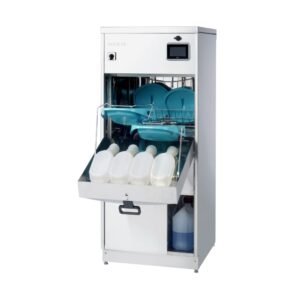
Bed Pan Washer
Add to Cart -
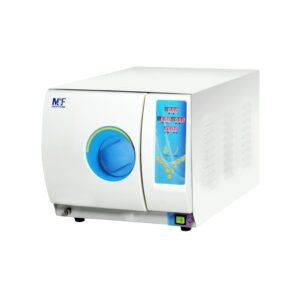
Ethylene Oxide Sterilizer
Add to Cart -

Hydrogen Peroxide Indicator Tape
Add to Cart -
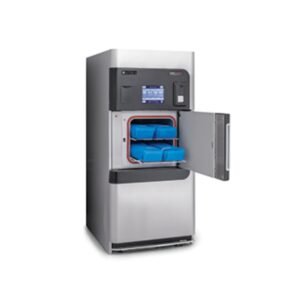
Low Temperature Sterilizer
Add to Cart -
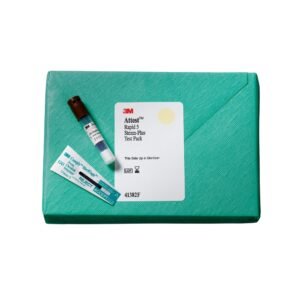
Rapid Steam Biological Indicator Test Pack
Add to Cart -

Sputum Mug
Add to Cart -
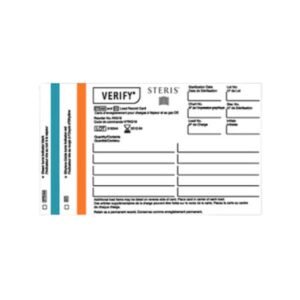
Sterilization Load Record Card
Add to Cart -
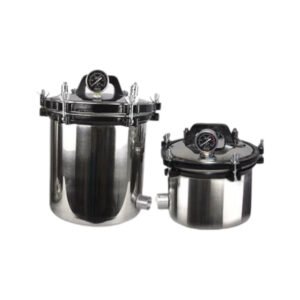
Autoclave Steam Sterilizer
Add to Cart -
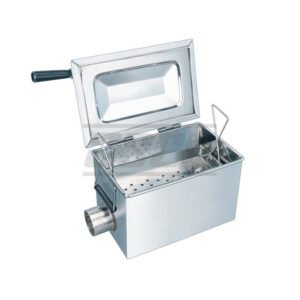
Sterilizer Box
Add to Cart