Health & Rehabilitation Guide · June 2026
Everything you actually need — whether you’re setting up a clinic in Colombo or recovering at home.
Updated June 2026 · 2,200 words
Physiotherapy EquipmentSri LankaClinic SetupHome RehabElectrotherapySports Physio
Discover the complete physiotherapy equipment list for Sri Lanka in 2026. From basic clinic essentials to advanced electrotherapy, we cover everything you need — with prices.
Let me be straight with you. Whether you’re a physio building your first clinic in Galle, a sports trainer at a Colombo academy, or just someone who tweaked their back carrying coconut sacks — the right equipment makes an enormous difference. And yet, finding a clear, honest list of what physiotherapy equipment you actually need? That’s surprisingly hard to come by, especially with local Sri Lankan context.
So I put this together. A practical, no-fluff physiotherapy equipment list that covers clinics, home users, and sports setups — with realistic prices and notes on where to buy in Sri Lanka. Let’s get into it.
First things first: What even is physiotherapy equipment?
Here’s a question I get a lot. People use “physiotherapy equipment” and “physical therapy equipment” interchangeably — and honestly, that’s fine. They mean the same thing. The word “physiotherapy” is just more common in Sri Lanka, the UK, and Commonwealth countries, while “physical therapy” is the American term. Same tools, different accent.
Broadly, physio equipment falls into a few categories: things that help you move (exercise tools), things that reduce pain and promote healing (electrotherapy), and things that support and guide the body during treatment (tables, parallel bars, walkers). I’ll walk through each group.
“The right equipment doesn’t make you a better physiotherapist — but the wrong equipment will definitely limit what you can do for your patients.”
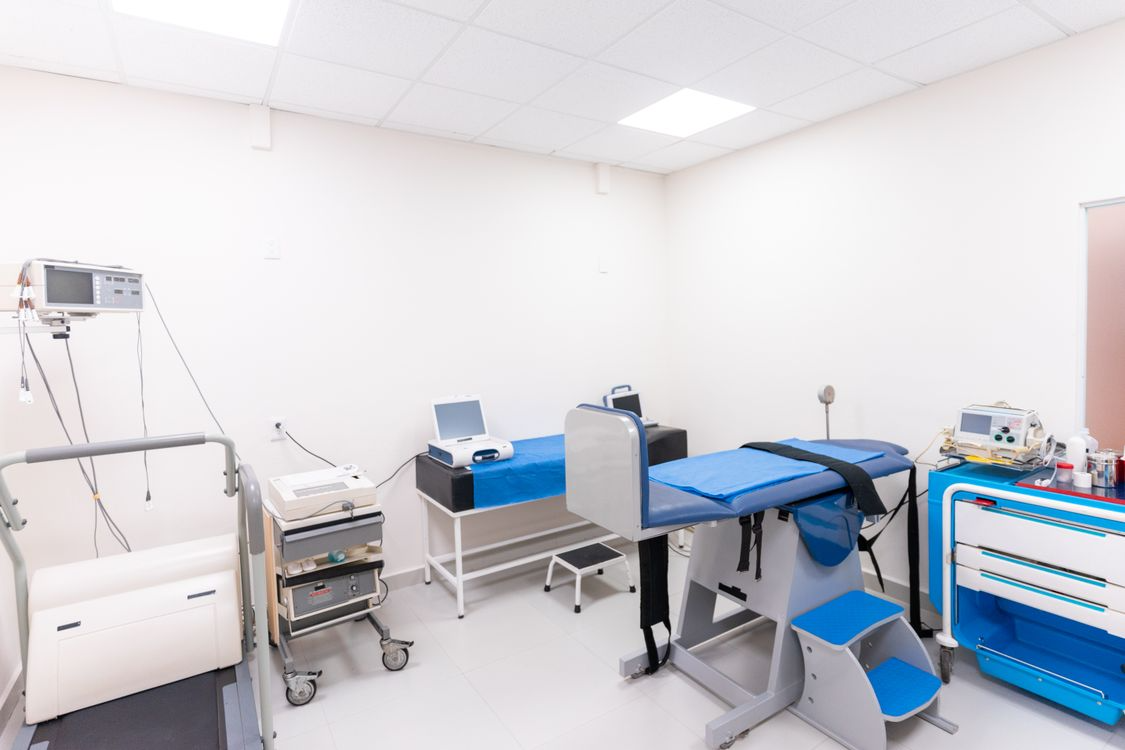
Essential physiotherapy equipment for a basic clinic
If you’re setting up a small clinic — say, in Kalutara, Kurunegala, or even a space inside a hospital — here’s your non-negotiable list. A basic setup runs between $5,000–$15,000 USD, while a fully equipped clinic with advanced electrotherapy can go $20,000–$50,000+. That’s a wide range, I know. But it depends entirely on whether you’re buying new vs. used, imported vs. locally sourced.Category 1: Treatment Surfaces
Essential #01
Adjustable Hi-Lo Treatment Table (Plinth)
Electric height-adjustable, padded, with face cradle and armrests. This is the one piece you absolutely cannot skip.
$800 – $2,500Category 2: Resistance & Strength
Essential #02
Thera-Band Resistance Bands Set
Color-coded from x-light to x-heavy. The gold standard for progressive resistance work in physio worldwide.
$15 – $50
Essential #09
Neoprene Dumbbell Set (1–10 lbs)
Comfortable grip for progressive resistance. Good for upper limb rehab and general strengthening.
$50 – $150
Essential #10
Medicine Ball Set (3–10 kg)
Textured grip for functional training and core rehab. Very popular in sports physiotherapy.
$40 – $120Category 3: Balance & Proprioception
Essential #05
Stability Exercise Ball (55–85 cm)
Anti-burst Swiss ball for core, balance, and stretching. Includes pump. Great for elderly patients too.
$20 – $60
Essential #06
Wooden Wobble Balance Board
Non-slip circular board for ankle and knee rehab. A favourite for proprioception training post-injury.
$35 – $80
Essential #07
Professional Foam Roller Set
High-density (smooth, textured, vibrating options) for myofascial release and muscle recovery.
$25 – $100
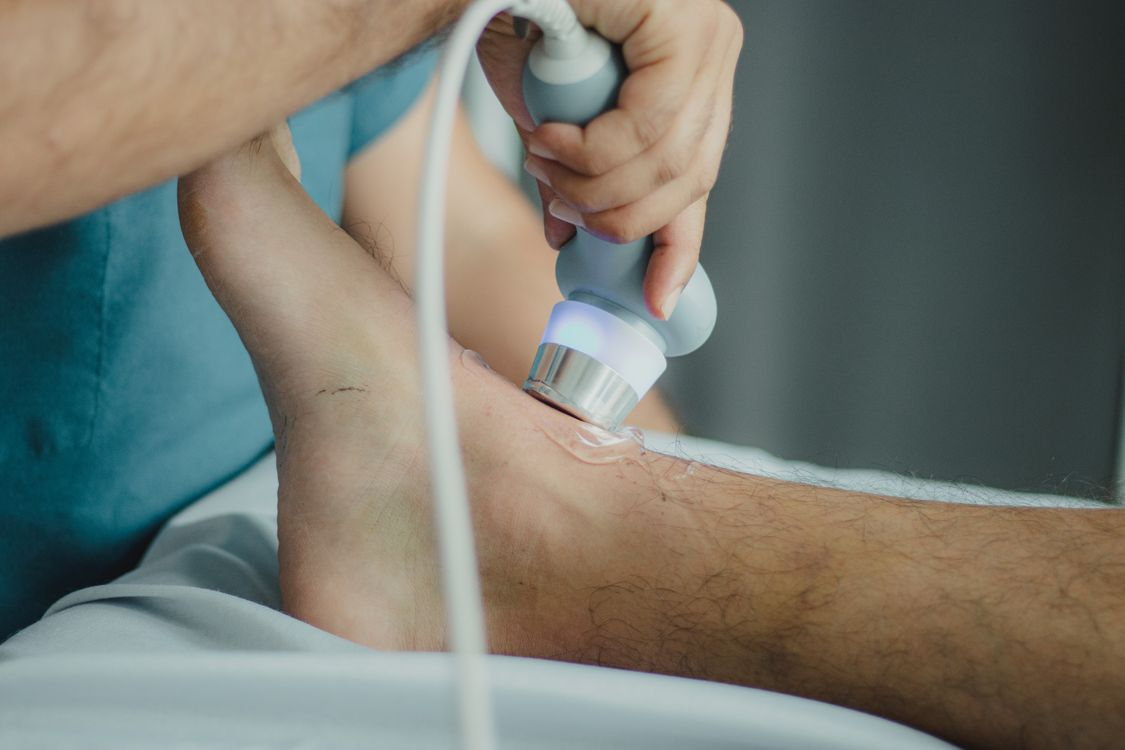
Electrotherapy equipment physiotherapists rely on
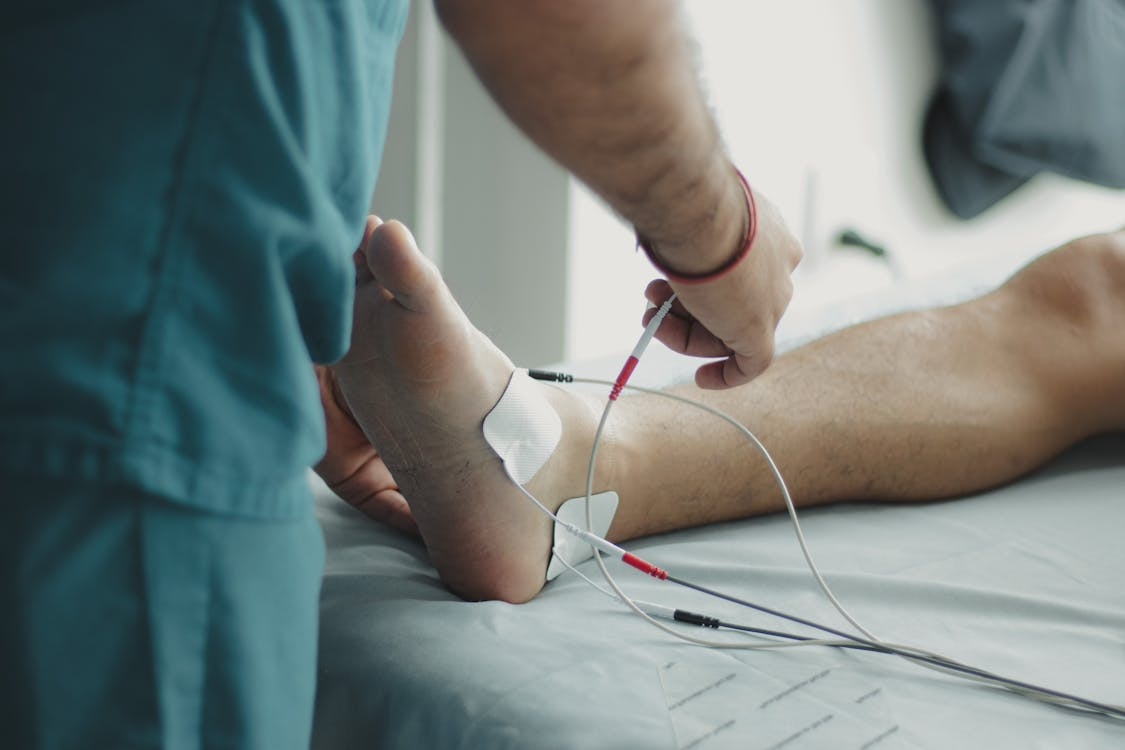
This is where things get more technical — and more expensive. Electrotherapy devices are powerful tools for pain management, tissue healing, and muscle stimulation. Here’s what’s commonly used in clinics across Sri Lanka.
| # | Equipment | Primary Use | Price Range |
|---|---|---|---|
| #03 | TENS Machine (99 Modes) | Pain management, nerve stimulation | $40 – $120 |
| #04 | Ultrasound Therapy Machine (1MHz/3MHz) | Deep tissue healing, inflammation | $800 – $2,500 |
| #15 | Shockwave Therapy Device (ESWT) | Chronic pain, tendonitis, sports injuries | $3,000 – $8,000 |
| #16 | Interferential Therapy (IFT) Machine | Deep tissue pain relief, 4-channel | $600 – $1,800 |
| #17 | Cold Laser Therapy Device (Class III) | Inflammation reduction, tissue healing | $1,500 – $4,000 |
⚠ Important safety note
Basic equipment like resistance bands, foam rollers, and exercise balls can be safely used at home with proper guidance. But electrotherapy devices — TENS, ultrasound, IFT, shockwave — should only be operated under professional supervision. If you’re a patient using these at home, please consult your physiotherapist first.
Gait training and mobility equipment
This category is critical for post-surgical patients, stroke survivors, and elderly folks working on walking safely again. It’s also where a lot of smaller clinics cut corners — and really shouldn’t.
Essential #12
Professional Parallel Bars (Adjustable)
Heavy-duty steel, height-adjustable for different patient sizes. For gait training and walking practice.
$400 – $1,200
Essential #13
Walking Belt (Gait Belt) with Handles
Safety belt with padded grips to assist patients during walking exercises. Underrated but essential.
$25 – $60
Essential #14
Adjustable Aluminum Walker with Wheels
Lightweight, foldable, with brake system. Ideal for elderly patients and post-surgery recovery.
$60 – $150
Essential #19
Knee CPM Machine
Motorized continuous passive motion device for post-knee surgery rehab. Adjustable ROM settings.
$500 – $1,500
Home physiotherapy equipment: what actually works
Not everyone needs (or can afford) a clinic visit for everything. I get it. Here’s what I’d honestly recommend for home use:
- Resistance bands — cheap, versatile, progressive. Start here.
- Foam roller — for myofascial release and muscle recovery at home
- Exercise ball (Swiss ball) — core stability and flexibility work
- TENS machine — good for pain management at home, widely available
- Balance board — ankle and knee proprioception, cheap and effective
- Neoprene dumbbells (light set) — progressive upper limb strengthening
- Paraffin wax bath unit — especially helpful for arthritis in hands and feet
You don’t need to spend a fortune. A smart home setup can be under Rs. 15,000–25,000 if you’re selective and source locally. The resistance bands and foam roller alone cover a lot of ground.
Sports physiotherapy: the specialist kit
Sports physio in Sri Lanka is growing — cricket academies, rugby clubs, athletics programs. If you’re working with athletes, you’ll want a few additional tools beyond the basic clinic kit.
| Equipment | Why It Matters | Price |
|---|---|---|
| Agility Ladder | Coordination, footwork, plyometric rehab | $20 – $50 |
| Bosu Ball Pro | Stability, core, advanced balance work | $150 – $300 |
| Plyometric Boxes | Jump training, explosive movement rehab | $80 – $200 |
| Shockwave Device (ESWT) | Tendinopathy, plantar fasciitis, chronic injuries | $3,000 – $8,000 |
| Adjustable Pulley System | Functional upper/lower body strengthening | $100 – $300 |
Equipment lifespan: when to replace things
One thing nobody tells you when setting up a clinic is that equipment has a life cycle. Here’s a general guide:
- Rubber items (bands, exercise balls): Replace every 6–12 months, especially in Sri Lanka’s humidity, which degrades latex faster.
- Electronic equipment (TENS, ultrasound, IFT): Typically lasts 5–7 years with proper maintenance and annual calibration.
- Tables, parallel bars, walkers: Built to last 10+ years if maintained. Keep weight limits in mind.
- Foam rollers: 1–2 years depending on density and use frequency.
Where to buy physiotherapy equipment in Sri Lanka
This is where it gets real. Imported equipment is often significantly more expensive due to customs duties, so I’ll break this down honestly.
Local sources to explore (Colombo & beyond)
- MS MEDICALS : MS MEDICALS IS ONE OF THE LEADING COMPANIES TO BUY ALL THE PHYSIOTHERAPY EQUIPMENTS AND FURNITURES IN SRI LANKA .THEIR WEBSITE : msmedicals.lk
Your most common questions — answered
What’s the most important equipment for stroke rehabilitation?
Treatment tables, parallel bars, gait belts, a knee CPM machine if applicable, and electrotherapy devices like TENS and IFT form the core. Balance boards are also crucial for later-stage stroke rehab.
Can I use physiotherapy equipment at home without supervision?
Basic items — resistance bands, foam rollers, exercise balls — yes, with guidance from your physio. Electrotherapy devices like ultrasound machines and shockwave devices should only be used by trained professionals. Never self-treat with electrotherapy equipment.
What equipment do I need to start a small physio clinic in Sri Lanka?
At minimum: one treatment table, a TENS machine, resistance bands, exercise ball, foam roller, balance board, and a gait belt. Budget around $5,000–$10,000 USD for a functional basic setup before adding electrotherapy.
How often should I replace resistance bands?
Every 6–12 months, or sooner if you spot any cracking, discoloration, or loss of elasticity. Sri Lanka’s humidity accelerates latex degradation — check your bands monthly.
Is ESWT (shockwave therapy) available in Sri Lanka?
Yes, several private hospitals and specialty clinics in Colombo have shockwave therapy devices. The equipment itself costs $3,000–$8,000, so smaller clinics may refer patients to larger centers.
The bottom line: build smart, not expensive
You don’t need to buy everything at once. I’ve seen brilliant physios do incredible work with a treatment table, a set of resistance bands, and a TENS machine. Start with the essentials, understand your patient population — whether that’s post-surgical rehab, elderly care, sports injuries, or chronic pain — and build from there.
The physiotherapy equipment list above isn’t a shopping cart you fill all at once. It’s a roadmap. Use it that way.
And if you’re a patient looking to do some home exercises? Invest in resistance bands, a foam roller, and a stability ball. That trio, used consistently with your physio’s guidance, will take you further than most people expect.
Found this guide helpful?
Share it with a colleague or save it for your next clinic review. And if you have questions specific to Sri Lanka’s physio equipment market — drop us a question below.Ask a question ↗