
Updated June 2026 · 2,100 words · 10 min read
Discover how a portable TENS machine for physiotherapy can relieve back pain, knee pain, and more — from home use to clinic settings in Sri Lanka. Reviews, settings guide, FAQs, and top picks inside.
⚡
What’s inside
- What is a Portable TENS Machine?
- How Does It Actually Work?
- Why Go Portable?
- Best Settings for Pain Relief
- Who Should NOT Use TENS?
- TENS vs EMS — What’s the Difference?
- Top Portable TENS Machines to Consider
- Buying Guide: What to Look For
- FAQs
Let me paint you a picture. It’s 7am in Colombo. You’ve just woken up, your lower back is already protesting, and the day has barely begun. Going all the way to a physiotherapy clinic every single morning is just not realistic — not with traffic on Galle Road, not with work, not with life. Sound familiar?
That’s exactly where a portable TENS machine for physiotherapy steps in — quite literally. These compact, rechargeable little devices have changed the way thousands of people manage chronic pain, sports injuries, and post-surgery recovery. And honestly? Once you try one, it’s hard to imagine going without it.
Whether you’re a physiotherapist looking to expand your toolkit, an athlete managing muscle soreness, or someone who’s simply exhausted by persistent knee or shoulder pain, this guide breaks down everything you need to know.
So, What Exactly Is a Portable TENS Machine?`
TENS stands for Transcutaneous Electrical Nerve Stimulation — which sounds very clinical, but the concept is surprisingly simple.
A portable TENS machine is a small, lightweight device that sends gentle electrical pulses through electrode pads placed on your skin. The goal? Pain relief. Without pills. Without a clinic visit. Just you, the device, and a couple of sticky pads on the painful area.
The word “portable” is key here. Unlike large clinical electrotherapy machines you’d find in a hospital, a portable unit fits in your pocket, clips onto your waistband, or slides into a travel bag. You can wear it while sitting at your desk, walking around your home in Negombo, or even at the office — quietly doing its job while you do yours.
💡 Quick Fact: Modern portable TENS units are Class II medical devices. Many models available internationally are now accessible to Sri Lankan buyers through online platforms and local medical equipment suppliers.
How Does It Actually Work for Pain Relief?
This is where it gets genuinely fascinating. TENS machines work through two main mechanisms:
1. The Gate Control Theory
Think of your nervous system like a busy highway. Pain signals are trying to travel from the source (say, your aching knee) up to your brain. TENS sends competing electrical signals that essentially “close the gate” on those pain messages — so fewer reach your brain. Less signal received = less pain perceived. Simple, but brilliant.
2. Endorphin Release
At lower frequencies, TENS actually triggers your body to release endorphins — your natural, built-in painkillers. Same stuff that gives you that post-workout high. Except in this case, you’re sitting on your sofa watching a show. Not bad, right?
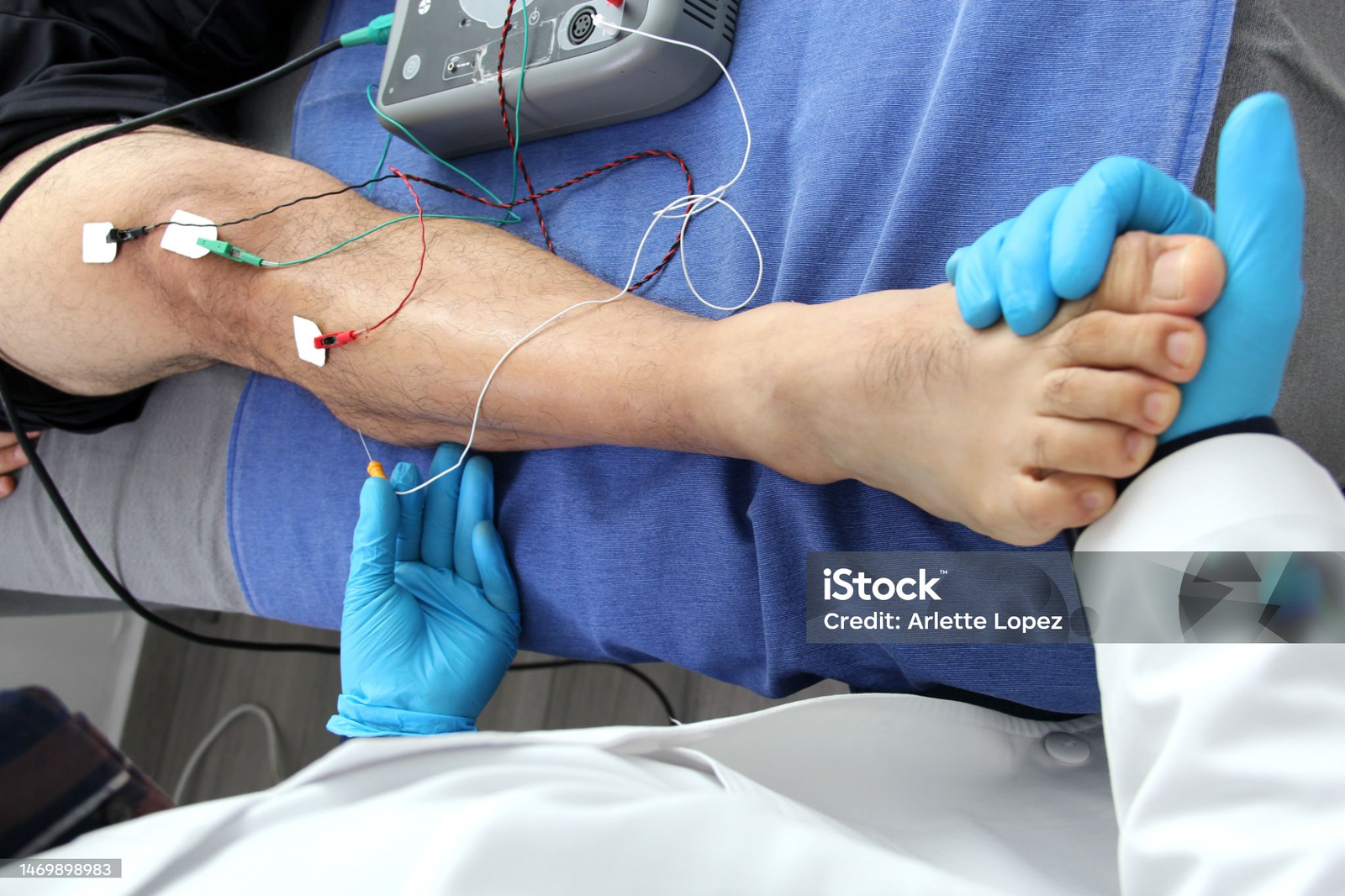
The electrodes (sticky pads) are placed around the painful area — not directly on a wound or broken skin — and connected to the device via small wires, or in wireless models, with no wires at all. You control the intensity, mode, and duration right from the unit or a companion app.
Why Go Portable? The Real Benefits for Sri Lankan Users
I’ll be direct: not everyone in Sri Lanka has easy, affordable access to regular physiotherapy sessions. Clinics in Colombo, Kandy, or Galle may be excellent — but distance, cost, and time are real barriers. A portable TENS machine bridges that gap.
- ✅ Drug-free pain management — no dependency, no side effects
- ✅ Use anywhere — home, office, travel, sports field
- ✅ Cost-effective long-term — one device, years of use
- ✅ Suitable for multiple conditions — back pain, sciatica, arthritis, sports injuries, post-surgical recovery
- ✅ Rechargeable models reduce ongoing battery costs
- ✅ Can complement clinic physiotherapy — continue treatment at home between sessions
Physio’s tip: Many physiotherapy clinics in Sri Lanka now recommend portable TENS units as a home adjunct to in-clinic treatment. Ask your physio which programs to use for your specific condition.
Best Settings for Your Portable TENS Machine
Here’s one of the most common questions I get: “What settings should I actually use?” And it’s a fair one — because picking the wrong frequency won’t hurt you, but it won’t help much either.
| Pain Type | Mode | Pulse Rate (Hz) | Pulse Width (µS) | Duration |
|---|---|---|---|---|
| Acute (recent injury) | Constant / Normal | 80–120 Hz | 175–200 µS | 30–60 min, up to 4x/day |
| Chronic (long-term) | Modulation / Burst | 2–10 Hz | 175–200 µS | 30–60 min, up to 4x/day |
⏱ Important: Don’t use TENS continuously throughout the day — your nerves adapt and it stops being effective. Stick to 30–60 minute sessions with breaks in between, up to 4 times daily.
Most modern portable units come with 8 to 24 pre-set programs specifically designed for different body parts and pain types. If you’re new to TENS, start with the lowest intensity and work your way up to a comfortable — never painful — level.
Who Should NOT Use a TENS Machine?
⚠️ Please read this section carefully. TENS is safe for most people, but there are important exceptions.
Avoid using a TENS machine if you:
- Have a pacemaker or implanted cardiac device
- Have been diagnosed with epilepsy
- Are in your first trimester of pregnancy
- Have undiagnosed pain (always get a diagnosis first)
- Have active cancer in the treatment area
Also, never place electrode pads over your eyes, throat or neck, across your chest, or on broken, irritated, or infected skin.
When in doubt, check with your doctor or physiotherapist before starting. This applies especially if you have any underlying cardiac or neurological conditions.
TENS vs EMS — Not the Same Thing
People confuse these two all the time. And honestly, it’s understandable because many modern devices combine both. But here’s the difference:
| Feature | TENS | EMS |
|---|---|---|
| Primary target | Sensory nerves | Motor nerves / muscles |
| Main benefit | Pain relief | Muscle strengthening & recovery |
| Sensation | Tingling / buzzing | Muscle contraction |
| Best for | Chronic/acute pain | Rehab, post-surgery, athletic recovery |
If you want the best of both worlds, look for a TENS + EMS combo unit — many mid-range and premium devices now include both modes. It’s a smart investment, especially for sports clinics or anyone doing both pain management and muscle rehabilitation.
Top Portable TENS Machines Worth Considering
I’ve reviewed the current market to give you a realistic picture of what’s available across different budgets. These are all rechargeable, clinically appropriate options:
Premium / Professional Grade
iReliev Wireless TENS + EMS System Best Overall
Wireless pads · 14 programs · 3–5hr battery · Most versatile wireless option
~$129
NEOCARBON TENS Ergo EMS Pulse Best Battery
60 programs · 20 intensity levels · 70-hour battery · USB-C · Medical-grade LCD
~$89
OMRON Pocket Pain Pro PM400 Best for Travel
3 pre-set programs · 10 intensity levels · Washable pads (150 uses) · 4.5★ rating
$51.99
Mid-Range Best Value
AUVON 4 Outputs TENS Unit (24 Modes) Best Multi-Area
24 modes · 4 channels (treat 2 areas at once) · Rechargeable · Includes 10 electrode pads + EVA case
$35.99
TENS 7000 Rechargeable Best Rechargeable
5 modes · 50 intensity levels · 5000mAh battery · 8hr runtime · Stores 60 session records
~$45
Budget-Friendly Options
FitRx Electrode Wireless Massager Top Budget Pick
8 programs · 2 channels · 4,933 ratings · 4.5★ — best portability/value balance
$21.00
How to Choose the Right Portable TENS Machine
Walking into a buying decision without a checklist is how you end up with a device that collects dust. Here’s what I’d ask before clicking “buy”:
| Factor | What to Look For |
|---|---|
| Portability | Under 150g, pocketable or clip-on design |
| Channels | 2-channel for 1 area; 4-channel to treat 2 areas simultaneously |
| Programs | 8 programs minimum; 24 programs ideal for varied conditions |
| Battery | Rechargeable USB-C; aim for 5–8hr runtime |
| Wireless pads | More freedom of movement; great for office or active use |
| Intensity levels | At least 20 levels for precise adjustment |
| TENS + EMS combo | Worth it if you also do muscle rehab |
| Electrode pads | Check replacement availability — ongoing cost factor |
Frequently Asked Questions
Final Thoughts
If there’s one thing I want you to take away from this guide, it’s this: pain management doesn’t have to be complicated or expensive. A quality portable TENS machine gives you the kind of consistent, drug-free relief that used to require clinic visits — now available from your living room, your office, or even your commute.
For physiotherapy clinics and rehabilitation centres in Sri Lanka, these devices extend the reach of your treatment beyond the clinic walls. For home users managing chronic pain, they offer genuine independence. And for athletes and sports professionals, they’re a practical recovery tool that fits right into a busy schedule.
The investment is real, but so are the results. Choose a device that matches your specific needs — think channels, battery life, programs, and whether you need TENS, EMS, or both. Start with the settings guide above, be consistent, and give it a few weeks.
Your body will thank you.
Ready to explore your options?
Use the product comparison table above to find the right portable TENS machine for your needs and budget. Have questions about which device is right for your condition? Drop them in the comments below — we’d love to help you find the right fit.
Note: This article is for informational purposes only and does not constitute medical advice. Always consult a qualified physiotherapist or medical professional before beginning any new pain management therapy.