
BLOOD COLLECTION TUBES AND VIALS
BLOOD COLLECTION TUBES AND VIALS – Vital Tools for Diagnostic Testing
Blood collection tubes and vials are essential components in clinical laboratories and healthcare settings. They play a critical role in the collection, transportation, and storage of blood samples for various diagnostic tests. Below is an overview of these products, their types, and their significance in medical practice.
- Overview of Blood Collection Tubes
Blood collection tubes are specially designed containers used to collect and preserve blood samples. They come in various sizes and types, each tailored for specific laboratory tests. The proper selection of these tubes is crucial to ensure accurate test results.
Key Features:
- Vacuum-Sealed: Many blood collection tubes are vacuum-sealed to ensure the right amount of blood is drawn and to maintain sample integrity.
- Color-Coded Caps: Different colored caps indicate the additive inside the tube, which can affect how the blood sample is processed.
- Types of Blood Collection Tubes
- EDTA Tubes (Lavender Cap): Used for hematology tests, these tubes contain ethylenediaminetetraacetic acid (EDTA) as an anticoagulant, preventing blood clotting.
- Sodium Citrate Tubes (Light Blue Cap): Ideal for coagulation studies, these tubes contain sodium citrate, which also acts as an anticoagulant.
- Serum Separator Tubes (Red Cap): These tubes contain a gel that separates serum from the blood cells after centrifugation, making them suitable for biochemical tests.
- Heparin Tubes (Green Cap): Containing heparin as an anticoagulant, these tubes are used for various tests requiring plasma samples.
- Blood Vials
Blood vials are used for collecting and storing smaller volumes of blood or other biological samples. They are often used in specific clinical applications, such as drug testing or genetic analysis.
Key Features:
- Sterile Environment: Blood vials are pre-sterilized to ensure the samples remain uncontaminated.
- Tamper-Evident Seals: Many vials come with tamper-evident seals to maintain sample integrity during transportation and handling.
- Importance of Proper Blood Collection
Using the correct blood collection tube or vial is essential for:
- Accurate Test Results: The type of tube used can influence the test results; therefore, adherence to protocols is crucial.
- Patient Safety: Proper collection techniques minimize the risk of contamination and complications during blood draws.
- Efficient Workflow: Color-coded and labeled tubes streamline laboratory processes, improving efficiency in testing and reporting.
- Storage and Handling
- Temperature Control: Blood samples should be stored at recommended temperatures to maintain sample stability and integrity.
- Proper Labeling: Each tube or vial must be correctly labeled with patient information and collection details to ensure traceability and accuracy in testing.
Conclusion
Blood collection tubes and vials are indispensable in the medical field, ensuring accurate and reliable diagnostics. Their design and functionality significantly impact laboratory efficiency and patient care, making them vital tools in any healthcare setting.
Showing all 14 results
-
Blood Pressure Measuring Glass Tube
Add to Cart -
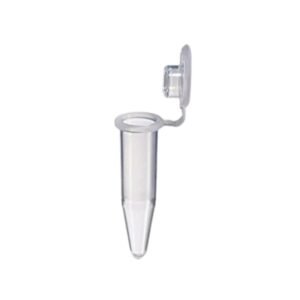
PCR Tube
Add to Cart -
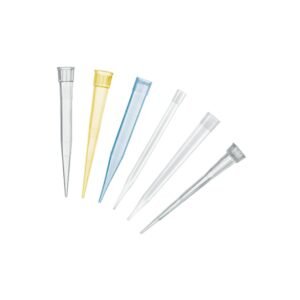
Pipette Tips
Add to Cart -
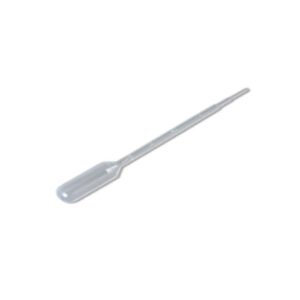
Pasteur Pipette
Add to Cart -
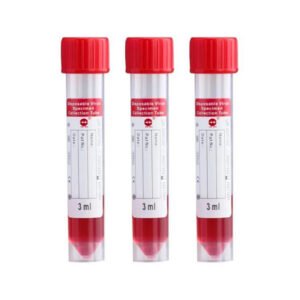
Viral Transport Tube
Add to Cart -
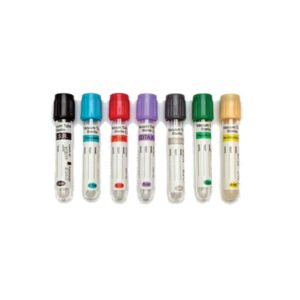
Blood Collection Tube
Add to Cart -
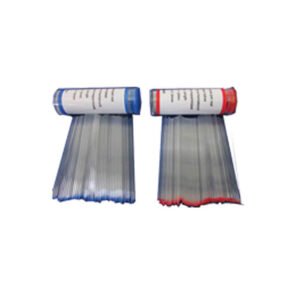
Capillary Tube
Add to Cart -
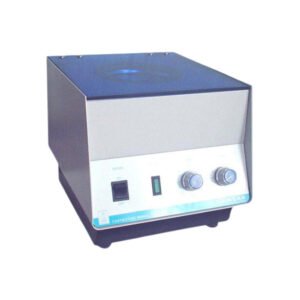
Centrifuge Bucket
Add to Cart -

Centrifuge Rack
Add to Cart -
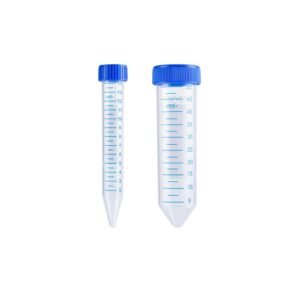
Centrifuge Tube
Add to Cart -
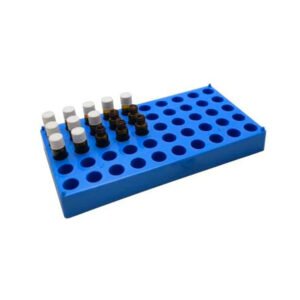
Cryogenic Vial Box
Add to Cart -
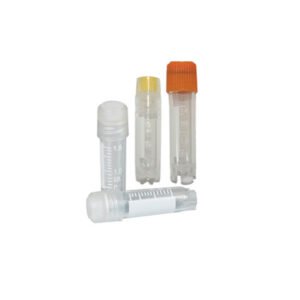
Cryogenic Vials
Add to Cart -
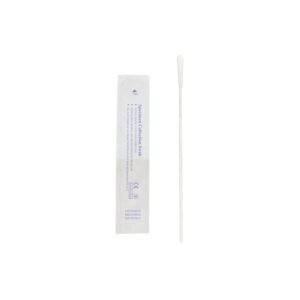
Disposable Nasal And Oral Sampling Swabs
Add to Cart -
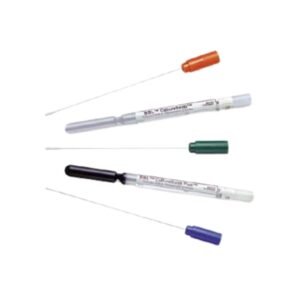
Culture Swab
Add to Cart