MEDICAL EQUIPMENT AND INSTRUMENTS
MEDICAL EQUIPMENT AND INSTRUMENTS – Precision Tools for Advanced Healthcare
Medical equipment and instruments are the cornerstone of modern healthcare, playing a vital role in diagnostics, treatment, monitoring, and surgical procedures. Designed to meet the rigorous demands of healthcare professionals, these devices aid in delivering accurate and effective patient care.
- Overview of Medical Equipment and Instruments
Medical instruments range from diagnostic tools and surgical devices to monitoring systems and laboratory equipment. Each piece of equipment is crafted to perform specific tasks that contribute to overall patient health, whether in routine check-ups, emergency situations, or complex surgeries.
Key Categories:
- Diagnostic Equipment: Tools such as stethoscopes, thermometers, and ECG machines for identifying health conditions.
- Monitoring Devices: Including patient monitors, blood pressure cuffs, and pulse oximeters for real-time health tracking.
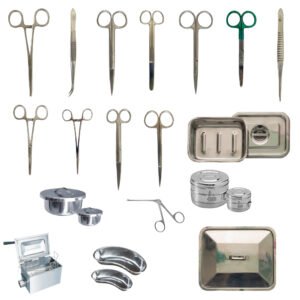
- Surgical Instruments: Specialized devices like scalpels, forceps, and retractors designed for precise surgical interventions.
- Therapeutic Equipment: Items such as infusion pumps, nebulizers, and defibrillators that support or restore body functions.
- Importance in Patient Care
- Accurate Diagnostics: Proper diagnosis is crucial for effective treatment. High-quality diagnostic tools allow healthcare professionals to identify health issues promptly.
- Efficient Treatment: Medical equipment is essential in providing targeted and effective treatment, especially in life-threatening conditions.
- Patient Monitoring: Monitoring instruments provide continuous data on patient health, enabling prompt interventions when necessary.
- Enhanced Surgical Precision: Specialized surgical tools allow for precise and controlled movements, essential for successful surgical outcomes.
- Types of Essential Medical Equipment
- Basic Diagnostic Tools: Blood pressure monitors, thermometers, and stethoscopes for primary health evaluations.
- Imaging Equipment: X-rays, ultrasound machines, and CT scanners for internal imaging of bones, organs, and tissues.
- Surgical Instruments: Scalpels, clamps, scissors, and sutures essential in surgical settings.
- Laboratory Equipment: Centrifuges, microscopes, and blood analyzers for detailed sample analysis.
- Patient Care Devices: Hospital beds, IV stands, and patient transport stretchers that support patient comfort and safety.
- Maintenance and Safety of Medical Equipment
- Regular Calibration and Testing: Ensures instruments maintain accuracy and reliability.
- Cleaning and Sterilization: Reduces the risk of infections and maintains hygiene standards.
- Proper Storage: Protects delicate devices and extends equipment lifespan.
- Staff Training: Ensures that medical personnel are proficient in operating different types of equipment safely.
Conclusion
Medical equipment and instruments are fundamental to quality healthcare, allowing for precise diagnostics, effective treatment, and enhanced patient care. From simple diagnostic tools to complex imaging machines, they support a wide range of medical functions, underscoring their importance in modern healthcare systems.
-
ANESTHESIA EQUIPMENT (23)
-
BIOMEDICAL TEST EQUIPMENT (9)
-
CRITICAL CARE EQUIPMENT (9)
-
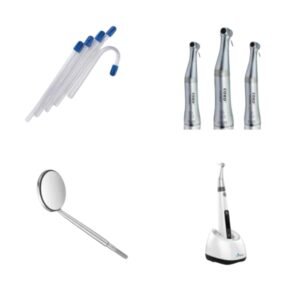
DENTAL EQUIPMENT (4)
-
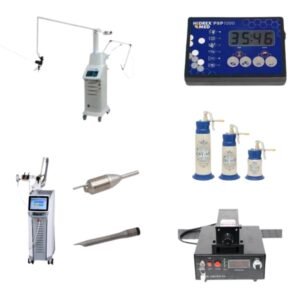
DERMATOLOGY EQUIPMENT (5)
-
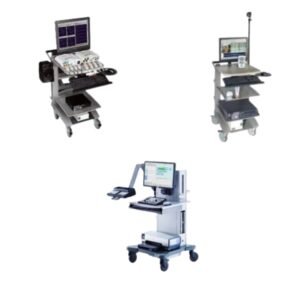
DIAGNOSTICS EQUIPMENT (3)
-
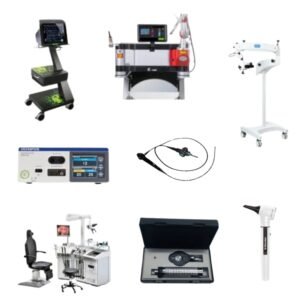
ENT EQUIPMENT (11)
-

FULL PROJECTS (4)
-
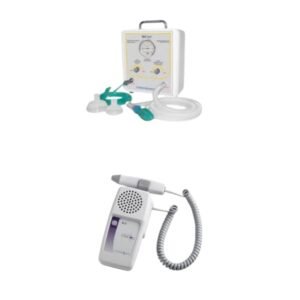
GYNECOLOGY EQUIPMENT (3)
-
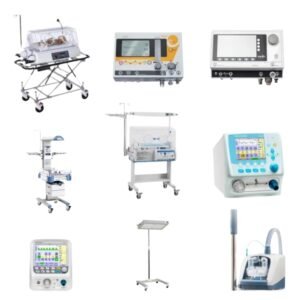
NEONATOLOGY EQUIPMENT (10)
-
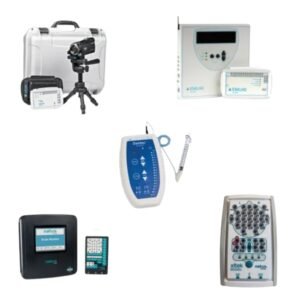
NEUROLOGY EQUIPMENT (5)
-
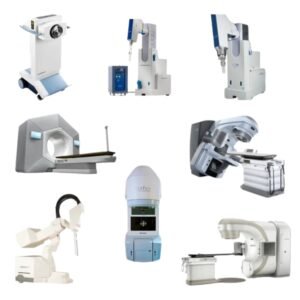
ONCOLOGY EQUIPMENT (9)
-
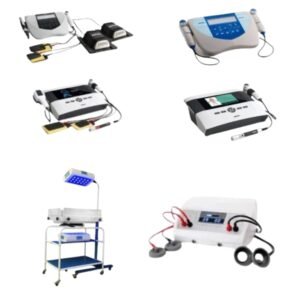
PHYSIOTHERAPY EQUIPMENT (12)
-
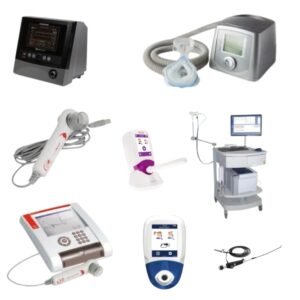
PULMONOLOGY EQUIPMENT (9)
-
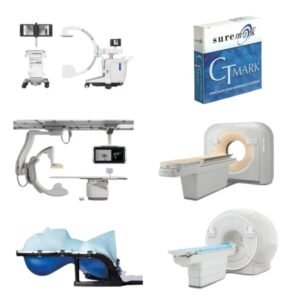
RADIOLOGY EQUIPMENT (8)
-
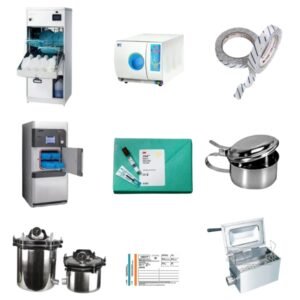
STERILE PROCESSING PRODUCTS (9)
-
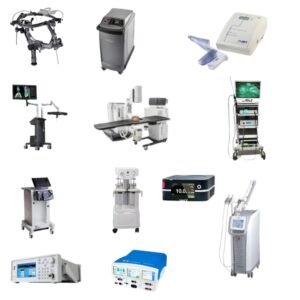
SURGERY EQUIPMENT (32)
-
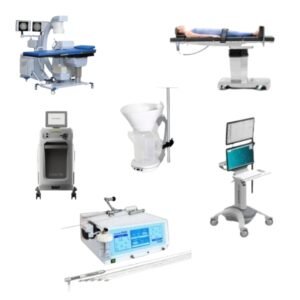
UROLOGY EQUIPMENT (6)
-
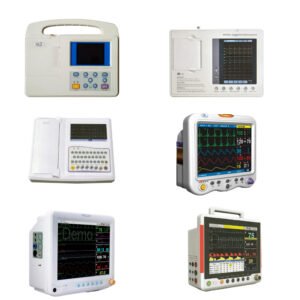
CARDIOLOGY EQUIPMENT (14)
-
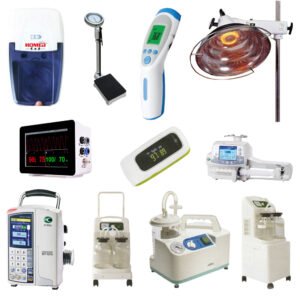
GENERAL MEDICAL EQUIPMENTS (30)
-
SURGICAL INSTRUMENTS (13)