
ANESTHESIA EQUIPMENT
ANESTHESIA EQUIPMENT – Tools for Safe and Effective Patient Sedation
Anesthesia equipment comprises devices designed to safely deliver and monitor anesthesia to patients undergoing surgery or other medical procedures. These tools help anesthesiologists administer precise doses, ensuring patient comfort and safety during procedures.
- Types of Anesthesia Equipment
Anesthesia equipment includes various machines and tools essential for controlling and monitoring a patient’s vitals during surgery. Some common types include:
- Anesthesia Machines: Central to anesthesia delivery, these machines mix and regulate the flow of anesthetic gases and oxygen. Modern machines often come with integrated monitors for tracking patient vitals.
- Ventilators: These are used in conjunction with anesthesia machines to assist or control patient breathing when under anesthesia.
- Infusion Pumps: Allow precise administration of anesthetic drugs intravenously, particularly useful in cases requiring continuous dosing.
- Monitors: Vital sign monitors track parameters like heart rate, blood pressure, oxygen levels, and respiratory rate, ensuring patient stability during anesthesia.
- Suction Devices: Used to clear airways and maintain a clean environment in the patient’s throat and lungs.
- Laryngoscopes and Endotracheal Tubes: Tools essential for intubation, helping to maintain an open airway during surgery.
- Importance of Anesthesia Equipment
Anesthesia equipment is critical to ensuring a safe, controlled surgical environment by:
- Ensuring Accurate Dosing: Modern machines provide precise control over the flow of anesthetic gases and drugs, minimizing the risk of overdose or inadequate sedation.
- Monitoring Patient Vitals: Continuous monitoring allows for immediate adjustments to anesthesia levels and responses to any changes in patient vitals.
- Maintaining Patient Comfort and Safety: Through controlled sedation, anesthesia equipment supports pain-free, comfortable procedures.
- Supporting Airway Management: Equipment like ventilators, laryngoscopes, and endotracheal tubes is essential for managing the airway, especially in longer procedures.
- Common Anesthesia Equipment and Their Functions
- Anesthesia Machine: Delivers a precise mixture of anesthesia and oxygen, often equipped with monitors and alarms for added safety.
- Ventilator: Provides respiratory support during anesthesia, ensuring the patient receives adequate oxygen.
- Infusion Pump: Controls the continuous administration of anesthetic drugs, critical in surgeries requiring prolonged sedation.
- Vital Signs Monitor: Tracks key parameters like ECG, blood pressure, oxygen saturation, and respiratory rate.
- Laryngoscope and Endotracheal Tube: Used for intubation, ensuring a secure airway by allowing for mechanical ventilation when necessary.
- Suction Device: Removes fluids or obstructions from the airway, helping to prevent complications.
- Care and Maintenance of Anesthesia Equipment
Proper care of anesthesia equipment is essential for safe, reliable operation:
- Regular Calibration and Testing: Ensures all devices provide accurate readings and dosing.
- Sterilization of Airway Tools: Intubation tools and any equipment contacting mucous membranes should be thoroughly cleaned and sterilized after each use.
- Battery Checks: Equipment like monitors and infusion pumps require regular battery checks to avoid power-related issues during procedures.
- Replacement of Disposable Components: Filters, breathing circuits, and endotracheal tubes must be replaced to maintain hygiene and reduce infection risk.
Conclusion
Anesthesia equipment is vital in delivering and managing anesthesia safely, enabling controlled sedation and thorough monitoring during medical procedures. From advanced anesthesia machines to essential intubation tools, this equipment is central to modern surgical care.
Showing all 23 results
-
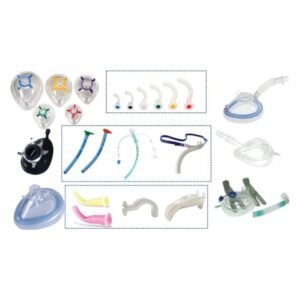
Anesthesia Airway Management Products
Add to Cart -
Anesthesia Breathing Filters
Add to Cart -

Anesthesia Breathing System Products
Add to Cart -
Anesthesia Components
Add to Cart -

Anesthesia Mask
Add to Cart -
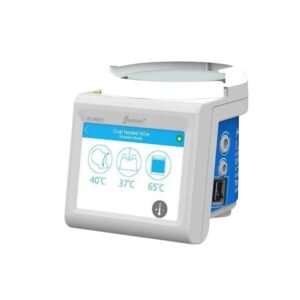
Anesthesia Ventilator Breathing System Products
Add to Cart -
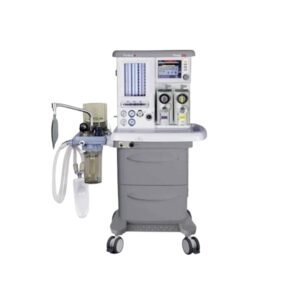
Anesthesia Workstation Machine
Add to Cart -
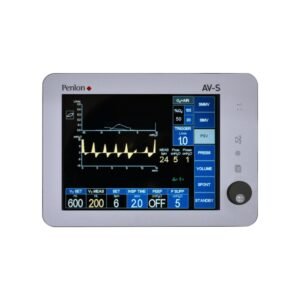
AV-S Anesthesia Ventilator
Add to Cart -
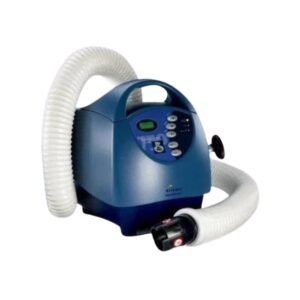
Bair Hugger Patient Warmer
Add to Cart -

BEOKA PORTABLE BATTERY POWERED OXYGEN CONCENTRATOR MACHINE
Add to Cart -
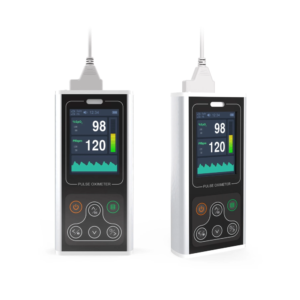
Contec CMS60D1 Handheld Pulse Oximeter
Add to Cart -
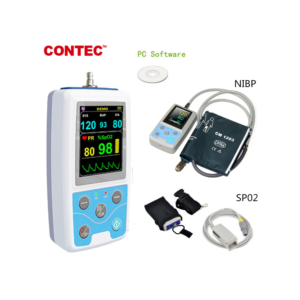
CONTEC PM50 NIBP Handheld Patient Monitor BP SPO2 PR dynamic blood pressure alarm system
Add to Cart -
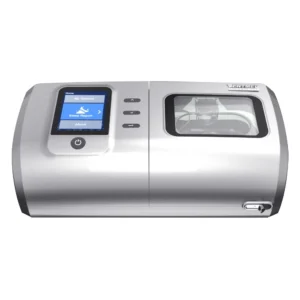
CPAP MACHINE
Add to Cart -

Edge II Portable Ultrasound System
Add to Cart -
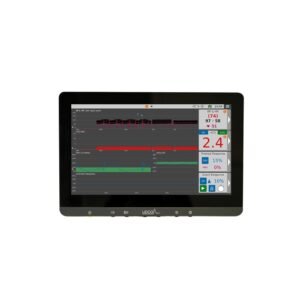
Hemodynamic Monitoring System
Add to Cart -
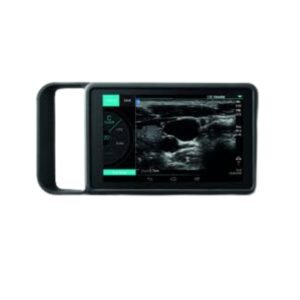
IVIZ Ultrasound Machine
Add to Cart -
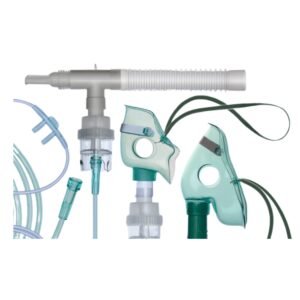
Oxygen and Aerosol Therapy Products
Add to Cart -
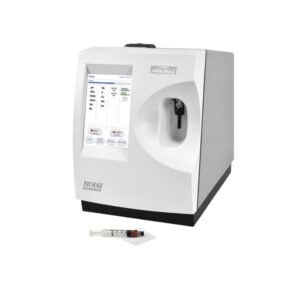
Stat Profile pHOx Plus M analyzer
Add to Cart -
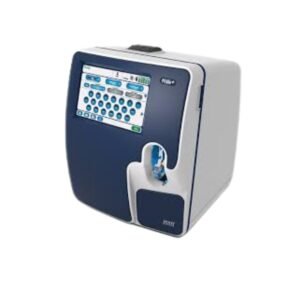
Stat Profile Prime Plus Critical Care Blood Gas Analyzer
Add to Cart -
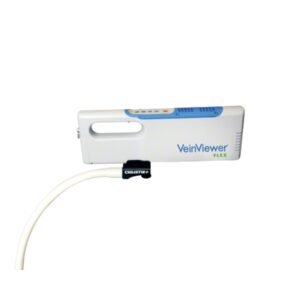
VeinViewer Flex
Add to Cart -
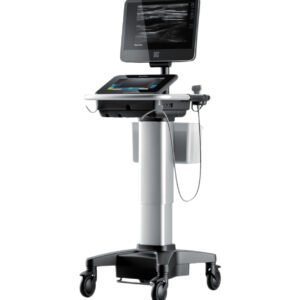
X-Porte Ultrasound Machine
Add to Cart -
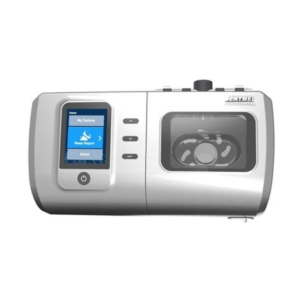
C PAP MACHINE
Add to Cart -
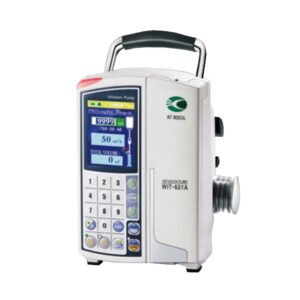
Infusion Pump
Add to Cart