ENT EQUIPMENT
ENT Equipment – Essential Tools for Ear, Nose, and Throat Care
ENT (Ear, Nose, and Throat) equipment is vital in diagnosing, treating, and managing conditions related to the ear, nose, and throat. This specialized medical field, also known as otolaryngology, focuses on various disorders affecting these areas and requires specific tools and instruments for effective patient care.
- Key Types of ENT Equipment
ENT equipment encompasses a wide range of devices designed for various diagnostic and therapeutic procedures. Some essential tools include:
- Otoscopes: Instruments used to examine the ear canal and eardrum, allowing healthcare providers to diagnose ear infections, blockages, and other conditions.
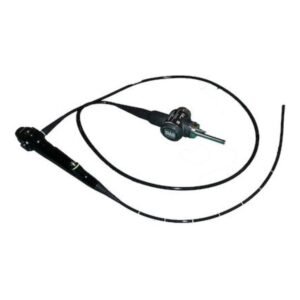
- Nasopharyngoscopes: Flexible or rigid scopes that enable visualization of the nasal passages and throat, assisting in diagnosing conditions like sinusitis and throat tumors.
- Laryngoscopes: Tools used to view the larynx (voice box) and vocal cords, critical for evaluating voice disorders and performing intubation procedures.
- Audiometers: Devices used to assess hearing acuity and diagnose hearing impairments, helping in the management of auditory disorders.
- Tympanometers: Instruments used to test the mobility of the eardrum, helping diagnose conditions like otitis media and Eustachian tube dysfunction.
- Suction Devices: Essential for removing excess mucus or fluid from the nasal passages and throat during examinations or surgeries.
- Endoscopes: Used to visualize the interior of the nasal cavity, sinuses, and throat, aiding in diagnosing and treating various conditions.
- Sinus Instruments: Specialized tools for sinus surgeries, including dilation balloons and suction devices for sinus drainage procedures.
- Microscopes: Utilized for detailed examination and procedures in the ear, helping ENT specialists perform delicate surgeries with precision.
- Importance of ENT Equipment
The role of ENT equipment in healthcare is critical for several reasons:
- Accurate Diagnosis: Specialized tools allow healthcare professionals to make precise assessments of ear, nose, and throat conditions, leading to targeted treatments.
- Effective Treatment: Equipment such as endoscopes and laryngoscopes facilitate minimally invasive procedures, reducing recovery times and improving patient outcomes.
- Monitoring Conditions: Devices like audiometers and tympanometers help track changes in patients’ conditions, allowing for timely interventions.
- Enhanced Patient Care: Advanced ENT equipment ensures that healthcare providers can deliver comprehensive care to patients with various auditory and respiratory conditions.
- Proper Use and Maintenance of ENT Equipment
To ensure the reliability and effectiveness of ENT equipment, proper use and maintenance are essential:
- Regular Calibration: Routine calibration of diagnostic devices is necessary to ensure accuracy in measurements and assessments.
- Cleaning and Sterilization: Proper cleaning protocols should be established to prevent infections, particularly for tools that come into contact with mucous membranes.
- Training: Healthcare providers should be adequately trained in the proper use of ENT instruments to minimize errors and enhance patient safety.
- Scheduled Inspections: Regular inspections and maintenance checks of equipment can identify any issues before they affect patient care.
- Key Considerations in Selecting ENT Equipment
When choosing ENT equipment, consider the following factors:
- Functionality: Ensure the equipment meets the specific needs of the practice and the types of procedures performed.
- Quality and Reliability: Select high-quality instruments from reputable manufacturers to ensure durability and accuracy.
- User-Friendliness: Choose equipment that is easy to use and provides clear results, facilitating efficient patient assessments.
- Cost-Effectiveness: Evaluate the cost in relation to the features and expected lifespan, balancing initial investment with long-term value.
Conclusion
ENT equipment is crucial in diagnosing and treating disorders affecting the ear, nose, and throat. From otoscopes to endoscopes, these tools enable healthcare professionals to provide comprehensive care, ensuring patients receive timely and effective treatment. Regular maintenance, proper training, and careful selection of equipment are essential for optimizing its use in clinical practice.
Showing 1–2 of 11 results