
Meta Description: Discover how ABPM devices work, why doctors recommend 24-hour BP monitoring, and find the best ambulatory blood pressure monitors for accurate hypertension diagnosis in Sri Lanka.
You know what’s frustrating? Walking into your doctor’s office feeling perfectly calm, only to have your blood pressure spike the moment that cuff tightens around your arm. Your heart races, your palms get sweaty, and suddenly those numbers on the screen look nothing like what you get at home. Sound familiar?
Welcome to the world of “white coat hypertension”—and honestly, it’s more common than you think. But here’s the good news: there’s a smarter way to track your blood pressure that doesn’t involve the stress of a clinical setting. Enter the ABPM device, your new best friend in the journey toward understanding your cardiovascular health.
I’ve spent years working with cardiologists, hospitals, and medical clinics across Sri Lanka, and let me tell you—ambulatory blood pressure monitoring has completely changed how we diagnose and manage hypertension. Whether you’re a healthcare professional looking to offer better diagnostic services or a parent worried about your child’s blood pressure readings, this guide will walk you through everything you need to know about ABPM devices in 2026.
What Exactly Is an ABPM Device? (And Why Should You Care?)
Let’s start with the basics. An ABPM device—short for Ambulatory Blood Pressure Monitoring device—is essentially a portable blood pressure monitor that you wear for 24 to 48 hours while going about your normal life. Think of it as a Fitbit, but instead of counting your steps, it’s keeping tabs on your blood pressure throughout the day and night.
Unlike that quick reading you get at the doctor’s office (which, let’s be honest, might not tell the whole story), an ABPM monitor takes dozens of readings while you’re working, sleeping, eating, and doing all the things you normally do. It’s like having a cardiologist shadow you for an entire day, minus the awkwardness.
The device itself consists of three main components:
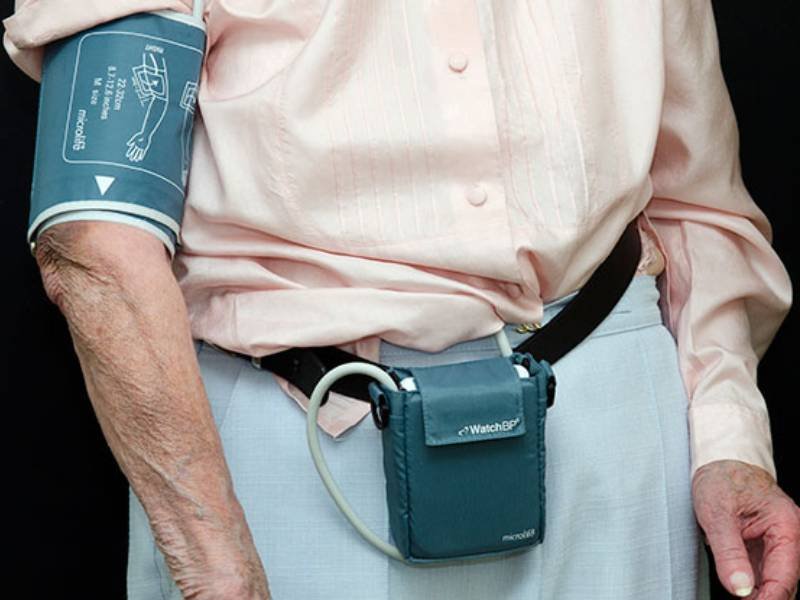
- A standard blood pressure cuff that wraps around your upper arm
- A small recording unit (about the size of a smartphone) that clips to your belt or fits in a pocket
- Specialized software that analyzes all the data once you return the device
Pretty straightforward, right? But don’t let its simplicity fool you—this little gadget is a diagnostic powerhouse.
How Does an Ambulatory Blood Pressure Monitor Actually Work?
I love this question because the technology is both sophisticated and surprisingly simple at the same time.
Here’s what happens: Once your doctor or technician straps the cuff around your arm and programs the device, it automatically inflates at preset intervals—typically every 15 to 30 minutes during the day and every 30 to 60 minutes while you’re sleeping. Yes, it’ll wake you up a few times, but trust me, the data you get is worth a couple of disrupted sleep cycles.
When the cuff inflates, it uses something called oscillometric technology to detect your blood pressure. Basically, it measures the vibrations in your arterial wall as blood flows through. The device records your systolic pressure (the top number), diastolic pressure (the bottom number), your heart rate, and the exact time of each reading.
Modern ABPM devices are smart. Really smart. They can detect irregular heartbeats, adjust inflation pressure automatically to prevent discomfort, and even let you mark specific events (like taking medication or experiencing symptoms) with the press of a button.
Why Do Doctors Recommend 24-Hour ABPM Testing? (The Truth Might Surprise You)
Here’s something that blew my mind when I first learned it: a single blood pressure reading at your doctor’s office has only about a 50% accuracy rate for diagnosing hypertension. Fifty percent! That’s basically a coin flip.
Your blood pressure fluctuates constantly throughout the day. It rises when you’re stressed, drops when you’re relaxed, changes when you eat, and follows a natural rhythm that dips during sleep. One reading—or even five readings—simply can’t capture this complex pattern.
Cardiologists recommend ABPM testing for several crucial reasons:
Detecting White Coat Hypertension
This is when your blood pressure is consistently high in medical settings but normal everywhere else. Studies show that about 15-30% of people diagnosed with hypertension in a clinic actually have white coat hypertension. Without ABPM, these patients might end up on medications they don’t actually need.
Identifying Masked Hypertension
This is the sneaky opposite—your blood pressure looks fine at the doctor’s office, but it’s elevated during your daily life. It’s like your hypertension is wearing a disguise, and ABPM is the detective that unmasks it. Research suggests masked hypertension affects 10-15% of the general population and carries similar cardiovascular risks to sustained hypertension.
Evaluating Treatment Effectiveness
If you’re already on blood pressure medication, ABPM shows whether it’s working throughout the entire day and night, not just during that one morning appointment. I’ve seen cases where patients had perfect readings at 9 AM clinic visits but dangerously high pressure at 3 AM.
Assessing Nocturnal Dipping
Normally, your blood pressure should drop by 10-20% during sleep—this is called “dipping.” Non-dippers (people whose BP doesn’t drop enough at night) have a higher risk of heart attack, stroke, and kidney disease. ABPM is the only way to measure this crucial pattern.
Guiding Treatment Decisions
For healthcare providers in hospitals and clinics, ABPM data provides a complete picture that helps determine whether to start medication, adjust dosages, or explore other treatment options.
How Long Do You Actually Wear an ABPM Device?
Most ABPM tests run for a full 24 hours, though some protocols extend to 48 hours depending on what your doctor is investigating. I know what you’re thinking—”An entire day with this thing strapped to my arm?”—but hear me out.
The standard protocol looks something like this:
| Time Period | Measurement Frequency | Why It Matters |
|---|---|---|
| Daytime (6 AM – 10 PM) | Every 15-30 minutes | Captures your active, waking pressure patterns |
| Nighttime (10 PM – 6 AM) | Every 30-60 minutes | Reveals crucial nocturnal dipping patterns |
| Total Readings | 40-70 measurements | Provides statistically significant data set |
You’ll typically arrive at your clinic in the morning, get fitted with the device, wear it throughout that day and night, then return it the following morning. The device does its thing automatically, so you don’t have to remember to take readings—you just live your life (with a few minor adjustments, which I’ll get to in a minute).
Extended 48-hour monitoring is sometimes used for patients with suspected sleep disorders, those with highly variable blood pressure, or when initial 24-hour results are borderline.
Does ABPM Actually Detect White Coat Hypertension?
Absolutely—and this is one of its superpowers.
White coat hypertension is essentially an anxiety response to medical settings. Your sympathetic nervous system kicks into overdrive the moment you walk into a clinic, releasing stress hormones that temporarily elevate your blood pressure. It’s a legitimate physiological response, not something you can just “calm down” from.
ABPM detects white coat hypertension by showing a clear pattern:
- Elevated readings in clinical settings
- Consistently normal readings during daily activities
- Normal readings during sleep
- No evidence of end-organ damage
Let me share a quick story. I worked with a clinic in Colombo where a 45-year-old businessman was diagnosed with stage 2 hypertension based on office readings consistently showing 165/100 mmHg. His doctor was about to start him on two medications. Thankfully, they ordered an ABPM test first.
The results? His average daytime BP was 128/82 mmHg, and his nighttime average was 115/70 mmHg—both completely normal. Those clinic readings were pure white coat effect. ABPM saved him from years of unnecessary medication, potential side effects, and thousands of rupees in treatment costs.
According to 2026 guidelines, true white coat hypertension should be confirmed with ABPM rather than relying solely on home blood pressure monitoring, because ABPM also captures those crucial nighttime readings.
What Are Normal ABPM Blood Pressure Readings?
This is where things get interesting because “normal” actually has some nuance to it.
For ABPM, cardiologists look at several different averages:
24-Hour Average:
- Normal: Below 130/80 mmHg
- Elevated: 130-134/80-84 mmHg
- Hypertension: 135/85 mmHg or higher
Daytime (Awake) Average:
- Normal: Below 135/85 mmHg
- Hypertension: 135/85 mmHg or higher
Nighttime (Asleep) Average:
- Normal: Below 120/70 mmHg
- Hypertension: 120/70 mmHg or higher
Nocturnal Dipping:
- Normal dippers: 10-20% drop from daytime to nighttime
- Non-dippers: Less than 10% drop
- Extreme dippers: More than 20% drop (also concerning)
- Reverse dippers: Higher BP at night than during day (most concerning)
Here’s a helpful comparison table:
| Measurement Type | Normal Range | Borderline | Hypertension |
|---|---|---|---|
| Office BP | <130/80 mmHg | 130-139/80-89 | ≥140/90 mmHg |
| 24-hour ABPM | <130/80 mmHg | 130-134/80-84 | ≥135/85 mmHg |
| Daytime ABPM | <135/85 mmHg | 135-139/85-89 | ≥140/90 mmHg |
| Nighttime ABPM | <120/70 mmHg | 120-124/70-74 | ≥125/75 mmHg |
Notice how ABPM thresholds are actually lower than office blood pressure thresholds? That’s because ABPM measurements are more accurate and better predict cardiovascular outcomes.
Can I Shower or Exercise With an ABPM Monitor? (Living Your Life While Monitored)
Okay, let’s talk practicalities because this is where patients always have questions.
Showering and bathing:
Sorry to be the bearer of bad news, but you’ll need to avoid getting the device wet. Most ABPM monitors aren’t waterproof (though some newer models have water-resistant components). The good news? It’s only 24 hours. You can:
- Take a quick sponge bath, carefully avoiding the cuff and monitor
- Remove the cuff temporarily if your doctor approves (though this means losing those data points)
- Just embrace being a bit less fresh for one day—I promise you’ll survive
Exercise:
This depends on your doctor’s instructions and why you’re being monitored. Light to moderate activities are usually fine and even encouraged because they show how your BP responds to normal exertion. However:
- Avoid intense workouts that might damage the device or cuff
- Don’t do activities that involve excessive arm movement (like swimming, even if the device were waterproof)
- Skip contact sports—you really don’t want to explain to your clinic how you broke their expensive equipment during a rugby match
Daily activities you CAN do:
- Work at your desk or office
- Drive your car or take public transport
- Walk, shop, cook, and do household chores
- Sleep (obviously)
- Have conversations and socialize
- Watch TV, read, or use your phone
Tips for cuff pain relief:
Let’s be honest—having your arm squeezed every 15-30 minutes can get uncomfortable. Here’s what helps:
- Wear loose-fitting clothing so the cuff doesn’t pinch
- Keep your arm still and relaxed when you feel inflation starting
- Use a thin sleeve between the cuff and your skin if you’re prone to irritation
- Apply a gentle moisturizer to your arm before fitting (but not where the cuff sits directly)
- Take over-the-counter pain relief if you develop soreness (check with your doctor first)
Pro tip from years of experience: the anticipation is usually worse than the actual measurement. Try to forget you’re wearing it as much as possible. The more you stress about the device, the higher your readings might be—which kind of defeats the purpose.
How Accurate Are ABPM Devices Compared to Home Monitors?
This is a fantastic question, and the answer might change how you think about home blood pressure monitoring.
ABPM devices are considered the gold standard for diagnosing hypertension outside of a clinical setting. Multiple studies have shown that ABPM predicts cardiovascular outcomes better than office readings or home monitoring. But why?
Advantages of ABPM over home monitors:
- Eliminates user error: You can’t forget to take a reading or position your arm incorrectly—the device handles everything automatically.
- Captures nighttime data: This is huge. Home monitors can’t measure your BP while you’re asleep, which means they miss the crucial nocturnal dipping pattern that’s a major predictor of cardiovascular risk.
- More readings, better statistics: With 40-70 measurements over 24 hours, ABPM provides a much larger and more representative data set than the typical twice-daily home readings.
- Clinical validation: Most quality ABPM devices used in hospitals and clinics undergo rigorous validation according to international protocols (AAMI, ESH, ISO standards).
- Professional interpretation: Your doctor receives a comprehensive report with statistical analysis, not just isolated numbers.
Where home monitors shine:
That said, home blood pressure monitors have their place. They’re excellent for:
- Long-term monitoring once your diagnosis is established
- Daily medication management
- Empowering patients to take an active role in their health
- Cost-effective ongoing tracking
Think of it this way: ABPM is like getting a comprehensive CT scan, while home monitoring is like taking your temperature daily. Both valuable, different purposes.
Accuracy comparison table:
| Feature | ABPM Device | Home Monitor | Office Reading |
|---|---|---|---|
| Readings per day | 40-70 | 2-4 | 1-3 |
| Nighttime data | Yes | No | No |
| White coat effect | Eliminates | Eliminates | Subject to it |
| User error risk | Minimal | Moderate | Low |
| Cardiovascular risk prediction | Excellent | Good | Fair |
| Cost | Moderate (rental/test) | Low (one-time purchase) | Included in visit |
The British Hypertension Society and American Heart Association both recommend ABPM for confirming hypertension diagnoses before starting lifelong medication. That’s how much confidence the medical community has in this technology.
What Happens After Your ABPM Test Results?
So you’ve worn the device for 24 hours, returned it to your clinic, and now you’re waiting. What happens next?
First, the technician or doctor downloads all your data—those dozens of readings that captured your blood pressure journey through a full day and night. This data gets processed through specialized software that generates a comprehensive report.
Your ABPM report typically includes:
- Average blood pressures (24-hour, daytime, nighttime)
- Blood pressure load (percentage of readings above normal thresholds)
- Dipping status (how much your BP drops at night)
- Morning surge (how quickly BP rises when you wake)
- Pressure variability (how much your BP fluctuates)
- Graphical displays showing your BP pattern over time
- Heart rate data throughout the monitoring period
Your doctor will schedule a follow-up appointment (usually within a week or two) to review these results with you. This is where the magic happens—all that data translates into actionable medical decisions.
Possible outcomes:
If you have white coat hypertension:
No medication needed! You’ll likely be advised to monitor at home periodically and repeat ABPM in a year or two. Lifestyle modifications might still be recommended.
If you have true hypertension:
Your doctor will discuss treatment options, which might include lifestyle changes (diet, exercise, weight loss) and possibly medication. The ABPM data helps determine the type and timing of medication.
If you have masked hypertension:
You’ll need treatment even though office readings looked fine. ABPM literally saved you from undiagnosed and untreated high blood pressure.
If you’re a non-dipper:
Your doctor might prescribe evening medication to specifically target nighttime blood pressure, or investigate underlying causes like sleep apnea, kidney disease, or autonomic dysfunction.
If you’re already on medication:
The results show whether your current regimen is working throughout the entire 24-hour cycle, or whether adjustments are needed.
I’ve seen patients break down in tears of relief when ABPM showed they didn’t actually have hypertension, and I’ve seen others grateful that masked hypertension was caught before it caused a stroke. Either way, the knowledge is power.
Is ABPM Covered by Insurance in 2026?
Money talk—let’s get into it.
Coverage varies significantly depending on your insurance provider and country, but here’s the general landscape in 2026:
In Sri Lanka:
Most private health insurance plans now cover ABPM testing when ordered by a physician for specific clinical indications like:
- Suspected white coat hypertension
- Suspected masked hypertension
- Evaluating drug-resistant hypertension
- Assessing effectiveness of treatment changes
However, coverage may require pre-authorization, and some plans might require you to try home blood pressure monitoring first. The out-of-pocket cost for ABPM testing in Sri Lankan private clinics typically ranges from LKR 8,000 to LKR 15,000 if you’re paying cash.
International context:
In the UK, ABPM is recommended by NICE guidelines and widely available through NHS. In the US, Medicare and most major insurers cover ABPM for approved indications. In Australia, it’s covered under Medicare with appropriate referral.
Tips for maximizing coverage:
- Get a detailed referral from your cardiologist or GP stating the medical necessity
- Check with your insurer about pre-authorization requirements before scheduling
- Keep all documentation about previous office readings showing elevated BP
- If initial coverage is denied, ask your doctor to submit an appeal with clinical justification
Even if you have to pay out of pocket, consider this: a year’s supply of blood pressure medication can easily cost more than an ABPM test, not to mention the potential side effects and long-term costs of unnecessary treatment. If ABPM confirms you don’t need medication, it pays for itself many times over.
How Often Does the ABPM Cuff Actually Inflate? (And Will It Drive You Crazy?)
Let’s be real—this is everyone’s concern before their first ABPM test. Will constant cuff inflations make you want to rip the thing off your arm?
Standard measurement intervals:
- Daytime (awake hours): Every 15-30 minutes
- Nighttime (sleep hours): Every 30-60 minutes
Do the math: if you’re awake for 16 hours with measurements every 20 minutes, that’s about 48 daytime readings. Add another 8-10 nighttime readings, and you’re looking at roughly 56-60 cuff inflations over the full 24 hours.
The reality check:
Yes, it’s noticeable, especially at first. The initial few inflations feel weird and intrusive. But here’s what I’ve learned from talking to hundreds of patients: most people adapt within a few hours. Your brain gets used to the pattern, and you start tuning it out—kind of like how you stop noticing the hum of an air conditioner after a while.
Nighttime is trickier:
Those sleep interruptions are probably the most annoying part of ABPM. The cuff will wake you up—there’s no getting around it. My advice:
- Go to bed a bit earlier so those wake-ups don’t cut into your total sleep time
- Practice relaxation breathing when you wake up to help yourself fall back asleep quickly
- Remember it’s just one night, and the diagnostic value is enormous
- Some patients take a mild sleep aid (with doctor approval) to help them sleep through it
Can the frequency be adjusted?
Sometimes. If you’re having significant discomfort or sleep disruption, some doctors will program longer intervals at night (every 60 minutes instead of 30). However, this reduces the number of data points, which might affect the reliability of the results—particularly for assessing nocturnal dipping.
Fun fact: in my experience, the people who worry most about the inflations beforehand are usually the ones who adapt fastest once they start wearing it. Your anxiety about the device is almost always worse than the device itself.
Can ABPM Diagnose Masked Hypertension? (The Hidden Danger)
Absolutely—and this is arguably ABPM’s most important clinical application.
Masked hypertension is sneaky and dangerous. Your blood pressure appears normal in the doctor’s office, so everyone thinks you’re fine. Meanwhile, your BP is elevated throughout your daily life, silently damaging your arteries, heart, and kidneys.
Research shows that masked hypertension:
- Affects approximately 10-15% of the general population
- Carries similar cardiovascular risk to sustained hypertension
- Is particularly common in younger people, males, smokers, and people with diabetes
- Often goes undetected for years because office readings provide false reassurance
How ABPM unmasks masked hypertension:
The diagnosis requires a specific pattern:
- Normal blood pressure in clinical settings (less than 140/90 mmHg)
- Elevated ABPM readings (daytime average ≥135/85 mmHg or 24-hour average ≥130/80 mmHg)
- This pattern should be confirmed on at least two separate occasions
ABPM catches masked hypertension in scenarios like:
- Situational BP differences: Your office visits happen to fall during lower-pressure periods
- White coat normotension: You’re actually calmer in medical settings than in your regular life (yes, some people are!)
- Work-related stress: Your BP spikes during job stress that doesn’t exist during office visits
- Medication timing: Your BP is controlled when you visit the doctor but elevates later in the day
Real-world example:
A 38-year-old IT professional in Colombo had perfect office readings of 122/78 mmHg at his annual checkup. But he mentioned headaches and his father had a stroke at 50. His wise doctor ordered ABPM “just to be sure.”
Results showed daytime average of 142/92 mmHg and nighttime average of 138/88 mmHg—clear masked hypertension with a concerning non-dipping pattern. He started medication and lifestyle changes immediately. That ABPM test might have saved his life by catching hypertension that would have remained hidden for years.
The European Society of Hypertension’s 2026 guidelines now recommend ABPM for anyone with cardiovascular risk factors even if office readings are normal, precisely because masked hypertension is so dangerous and common.
Best ABPM Device 2026: Top Picks for Accuracy and Comfort
Now let’s talk hardware. If you’re a healthcare professional looking to add ABPM services to your clinic, or if you’re researching what device you might be tested with, here’s your comprehensive buying guide.
What makes a great ABPM device in 2026:
- International validation (AAMI, ESH-IP, or ISO protocols)
- Comfortable, adjustable cuff design
- Reliable oscillometric measurement
- User-friendly software for report generation
- Good battery life (minimum 24 hours)
- Quiet inflation pump
- Integration with electronic health records (for clinics)
- Technical support and calibration services
Premium Professional ABPM Devices
1. Spacelabs OnTrak ABPM
This is the workhorse you’ll find in cardiology departments across major Sri Lankan hospitals. The OnTrak offers 24-48 hour monitoring capacity with an event button that lets patients mark symptoms or activities. What I love about this device: it’s bulletproof reliable. Hospitals in Colombo have units that have been running for 5+ years with regular calibration.
The software generates comprehensive reports with arterial stiffness assessment and customizable measurement protocols. It’s pricey (expect around USD 2,500-3,500), but for a busy clinic, the investment pays off quickly.
Clinical validation: Passed ESH-IP Protocol 2002
Best for: Hospitals, large medical clinics, cardiology practices
Visit manufacturer site
2. SunTech Medical Oscar 2
If the OnTrak is the workhorse, the Oscar 2 is the thoroughbred. Incredibly lightweight at just 170 grams, it’s validated for all age groups including pediatrics—crucial if you’re a hospital treating children. The Oscar 2 particularly excels at nighttime tracking thanks to its Motion Tolerance technology that reduces false readings from patient movement.
The device uses ORBIT-K algorithm for measurement accuracy and includes advanced features like pulse pressure analysis. I’ve heard from technicians that patients consistently rate this as the most comfortable ABPM device they’ve worn.
Clinical validation: AAMI SP10, ESH-IP, FDA cleared
Best for: Multi-specialty clinics, pediatric cardiology, research
Visit manufacturer site
3. Welch Allyn ABPM 6300
Welch Allyn brings their century of healthcare experience to this solid performer. The 6300 stands out for its EHR integration capabilities—if you’re running a digital clinic, this device plays nice with most major electronic health record systems. The programming interface is intuitive, which means less training time for your staff.
Flexible scheduling options let you customize measurement protocols for specific patient needs, and the cuffs are designed for optimal comfort during extended wear.
Clinical validation: FDA cleared, CE marked
Best for: Tech-forward clinics, hospitals with integrated EHR systems
Visit manufacturer site
Mid-Range Professional Options
4. Omron HEM-7200 ABPM
Omron’s reputation in home blood pressure monitoring translates beautifully to their ABPM offering. The HEM-7200 bridges professional and home use with Bluetooth data transfer to smartphones and tablets. This makes it excellent for clinics that want to offer ABPM rental programs—patients find the technology familiar and less intimidating.
The price point (around USD 1,200-1,800) makes it accessible for smaller clinics and medical centers looking to start offering ABPM services.
Clinical validation: Clinically validated per international standards
Best for: Small to medium clinics, ABPM rental programs
Visit manufacturer site
5. Schiller ABPM-04
Swiss engineering meets practical design. The ABPM-04 is genuinely affordable without sacrificing essential features. It includes arrhythmia detection—a nice bonus that can alert you to irregular heartbeats during the monitoring period. The wearable design is compact and unobtrusive.
For clinics in Sri Lanka looking to add ABPM capability on a budget, this is a strong contender. I’ve seen several GP practices successfully implement this device.
Clinical validation: CE marked
Best for: Budget-conscious practices, GP clinics, community health centers
Visit manufacturer site
Specialized and Emerging Options
6. Mortara Ambulo 2400
Research laboratories love this device. The 2400 offers exceptional data quality with high-resolution recording and precise timing stamps. Its compact design (about the size of a deck of cards) makes it comfortable for 24-hour wear, and the battery reliably lasts the full monitoring period.
If you’re conducting hypertension research or clinical trials, the Ambulo 2400’s data export capabilities and custom protocol programming are invaluable.
Best for: Research institutions, clinical trials, teaching hospitals
Visit manufacturer site
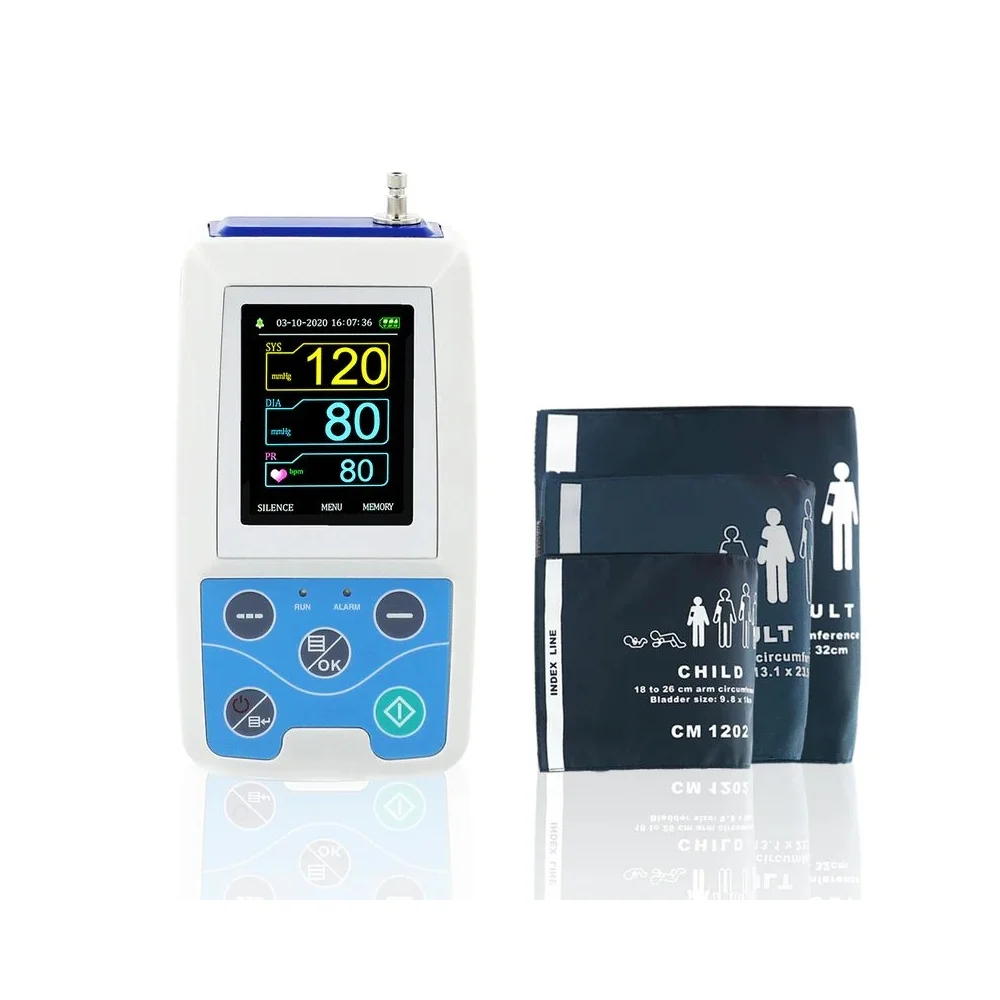
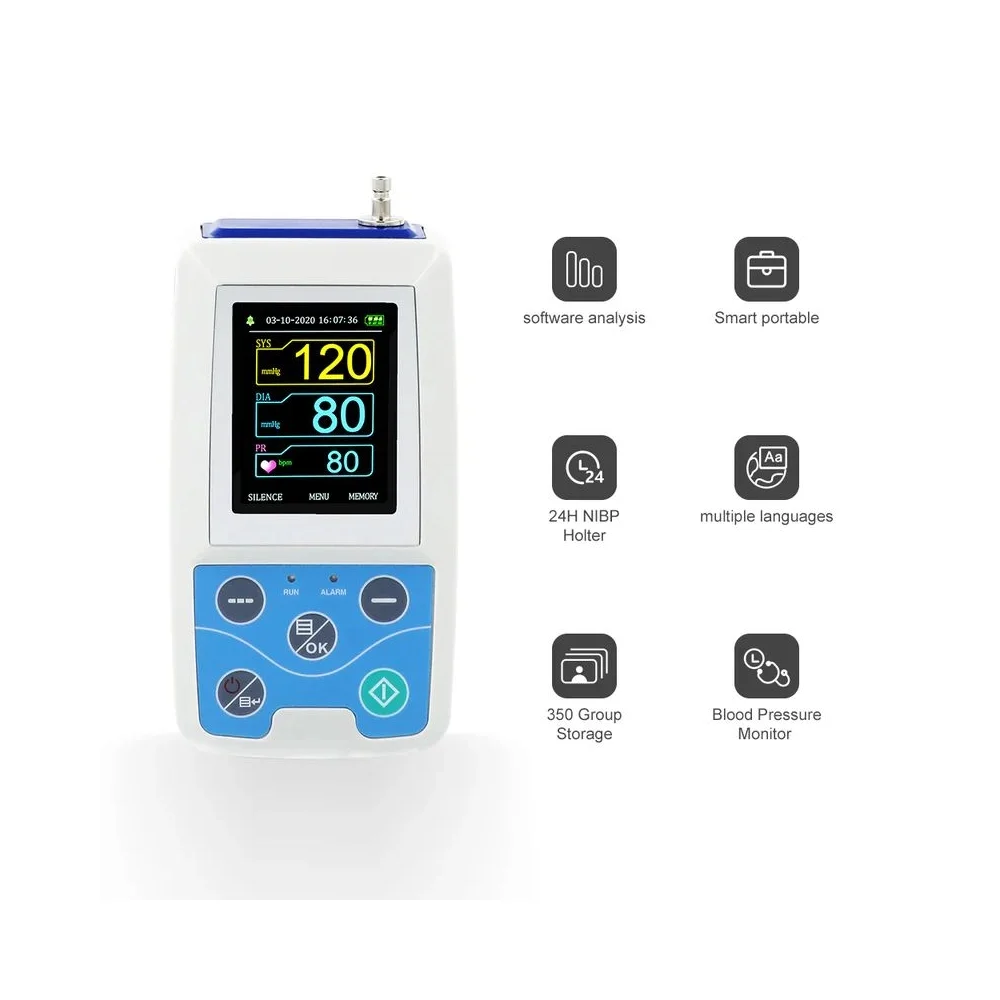
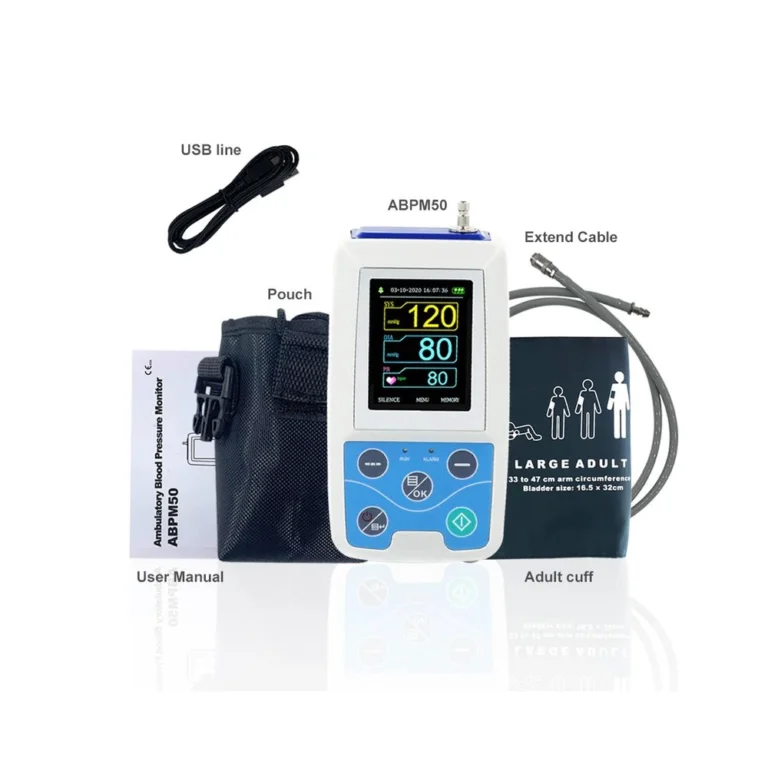
This is the budget champion for home care and small practices. At a fraction of the cost of premium devices (often under USD 500), the ABPM50 includes PC software for basic report generation. Yes, it lacks some advanced features and the validation data isn’t as robust, but for initial ABPM screening or resource-limited settings, it gets the job done.
Popular in home healthcare services across Asia because of its portability and low cost.
Best for: Home healthcare, basic screening, very small clinics
Visit manufacturer site
8. A&D UA-1200 BLE ABPM
Japanese precision meets modern connectivity. The UA-1200 BLE’s Bluetooth capability allows real-time data monitoring—some doctors appreciate being able to check on patient data remotely during the monitoring period. Validated according to AAMI standards, it balances technology and clinical accuracy nicely.
Clinical validation: AAMI SP10 validated
Best for: Clinics wanting remote monitoring capability
Visit manufacturer site
Quick Comparison Table
| Device | Price Range (USD) | Key Feature | Best For |
|---|---|---|---|
| Spacelabs OnTrak | 2,500-3,500 | Event marking, robust | Large hospitals |
| SunTech Oscar 2 | 2,800-3,800 | Pediatric validation | Multi-specialty clinics |
| Welch Allyn 6300 | 2,200-3,200 | EHR integration | Digital-first practices |
| Omron HEM-7200 | 1,200-1,800 | Bluetooth, user-friendly | Small-medium clinics |
| Schiller ABPM-04 | 800-1,400 | Arrhythmia detection | Budget-conscious |
| Mortara 2400 | 2,000-2,800 | Research-grade data | Research institutions |
| Contec ABPM50 | 300-600 | Ultra-affordable | Home care services |
| A&D UA-1200 | 1,500-2,200 | Bluetooth connectivity | Remote monitoring |
ABPM Device Rental Near Me: Finding Services in Sri Lanka
So you need an ABPM test but don’t want to buy a device. Smart thinking—most patients and even many small practices opt for rental rather than purchase.
Where to find ABPM services in Sri Lanka:
Major cities (Colombo, Kandy, Galle):
Most private hospitals and specialized cardiology clinics offer ABPM testing as a standard service. Some to consider:
- Lanka Hospitals
- Asiri Hospital Group
- Nawaloka Hospital
- Durdans Hospital
- Ninewells Hospital
These facilities typically charge between LKR 8,000-15,000 for the full test including device rental, fitting, and report interpretation.
Independent diagnostic centers:
Several standalone diagnostic centers have added ABPM to their service portfolio:
- Hemas Hospitals diagnostic centers
- Durdans HealthCare diagnostics
- Central Hospital Ltd diagnostic services
Mobile ABPM services:
A growing trend in 2026 is mobile ABPM services where technicians come to your home or office to fit the device and return to collect it 24 hours later. This is convenient but usually costs 20-30% more than in-clinic service.
Insurance coverage and referrals:
Contact your insurance provider first to confirm coverage requirements. Many insurers require a referral from your GP or cardiologist before approving ABPM testing. Get this sorted beforehand to avoid payment hassles.
What to ask before booking:
- Which device model do they use?
- Is the device regularly calibrated?
- Who interprets the results—technician or cardiologist?
- What’s included in the price (fitting, device, interpretation, follow-up)?
- Do they offer evening or weekend fittings for working professionals?
- What’s their cancellation policy?
Pro tip: If you’re in a smaller town without local ABPM services, ask your cardiologist if they can refer you to a nearby center or if they have arrangements with mobile services that cover your area.
How to Use ABPM Monitor at Home: Patient Guide
Got an ABPM device strapped to your arm and wondering how to make the next 24 hours go smoothly? Here’s your complete survival guide.
Before you start:
Your clinic should provide clear instructions, but basics include:
- Write down your typical wake and sleep times so readings can be properly categorized
- Note any medications you’re currently taking
- Have a diary ready to record activities and symptoms
During the daytime:
Keep your arm still during measurements:
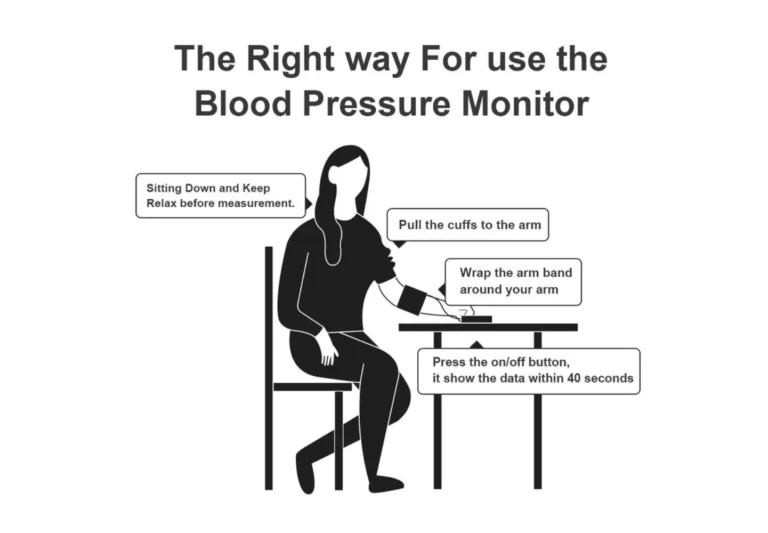
When you feel the cuff start to inflate, stop what you’re doing. Let your arm hang naturally by your side or rest it on a table at heart level. Don’t talk or move around. This takes 30-60 seconds, then you can resume activity.
Document your day:
Most devices come with a diary card where you note:
- When you take medications
- When you eat meals
- Any stressful events or unusual activities
- Any symptoms (headache, dizziness, chest discomfort)
- Exercise or physical exertion