
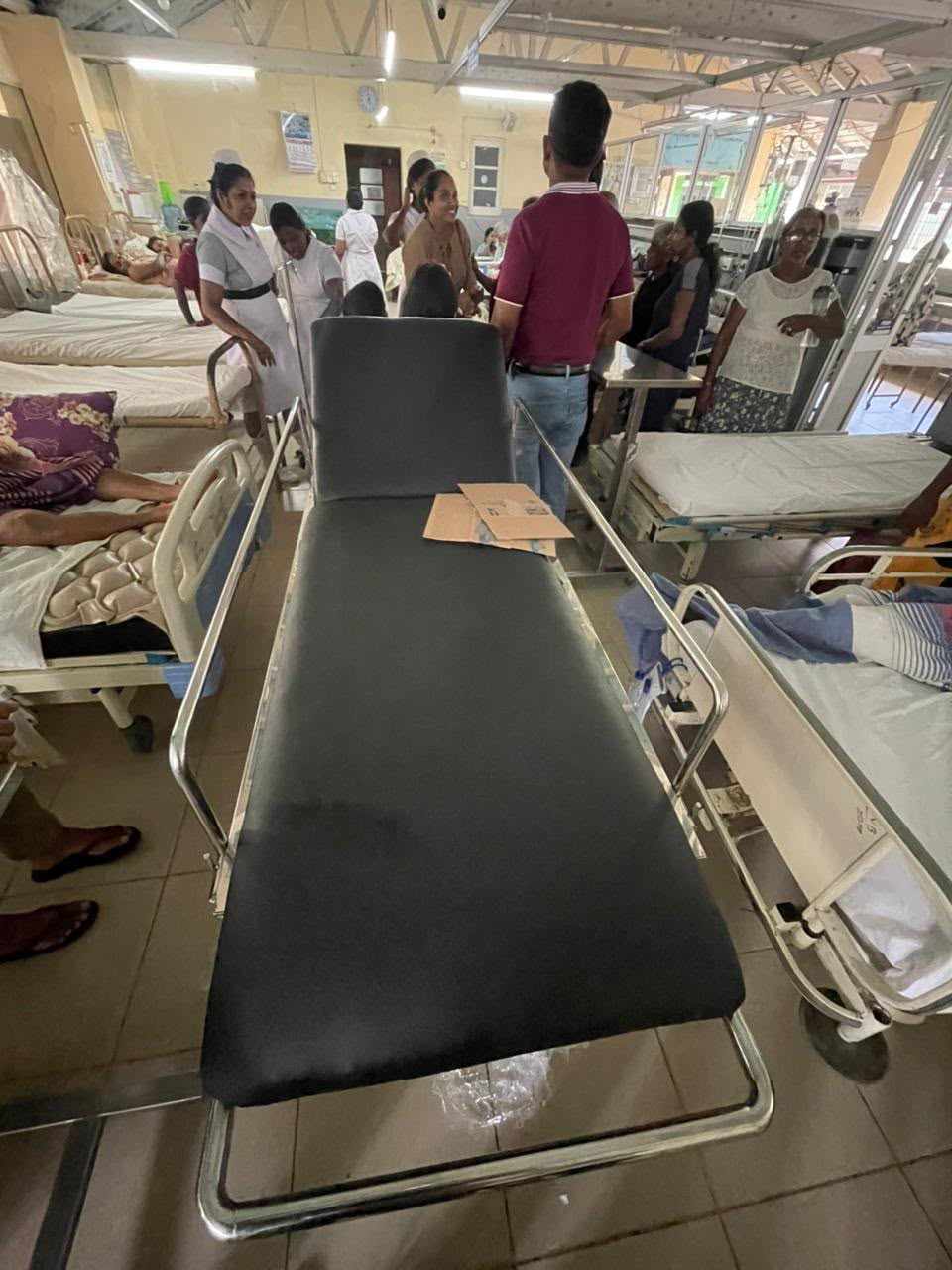
Picture this. It’s 2 AM at a District General Hospital somewhere in the hill country. A patient has just been rushed in from a motorcycle accident on the Kandy road. The nurses need to move him from the ambulance bay to the ER in under sixty seconds. Every wheel, every lock, every side rail on that trolley matters right now.
That’s the thing about a hospital patient trolley — it’s one of those pieces of equipment nobody thinks about until they desperately need it to work perfectly. And in Sri Lanka, whether you’re running a government hospital in Colombo, a teaching hospital in Peradeniya, or a small private clinic in Galle, the trolley you choose can genuinely be the difference between smooth patient care and chaos.
I’ve put together this guide to walk you through everything — types, features, materials, prices, and how to pick the right one for your ICU, OT, or ER. No jargon. No fluff. Just the stuff you actually need to know before you sign a purchase order.
Let’s get into it.
What Is a Hospital Patient Trolley, Really?
At its simplest, a patient trolley is a wheeled, flat-surfaced medical bed designed to move patients horizontally between wards, departments, or facilities. Think of it as the workhorse of hospital logistics — quietly doing the heavy lifting (literally) so your clinical staff can focus on the patient, not the furniture.
You’ll also hear it called a patient transfer trolley, patient transport trolley, or even just medical trolley, depending on who you ask. In Sri Lankan hospitals, “trolley” is pretty much the universal term, though some suppliers use “stretcher trolley” interchangeably too — which brings me to a question I get asked constantly.
Patient Trolley vs Stretcher Trolley: What’s the Actual Difference?
Honestly? This trips up a lot of procurement officers, and I don’t blame them. The terms overlap so much in everyday hospital speak that the lines get blurry.
Here’s the cleanest way I can put it:
| Feature | Patient Trolley | Stretcher Trolley |
|---|---|---|
| Primary use | General ward-to-ward transport, exams, minor procedures | Emergency evacuation, ambulance transfer, trauma cases |
| Frame | Usually heavier, hospital-based | Lighter, portable, often foldable |
| Mattress | Fixed, thicker padding | Thin, sometimes removable |
| Mobility | Large hospital-grade casters | Compact wheels for tight ambulance spaces |
| Typical setting | ICU, OT, wards, radiology | Ambulances, disaster response, ER intake |
So really, a stretcher trolley is a type of patient trolley — just built lighter and leaner for speed and portability. If your facility handles a lot of emergency transport (think Trauma Centers or Emergency Care Centers), you probably need both categories in your inventory, not just one.
Why This Matters More in Sri Lanka Than You’d Think
Sri Lankan hospitals — government and private alike — deal with a unique mix of pressures. High patient volumes in urban teaching hospitals. Long transport distances in rural Base Hospitals. Tropical humidity that’s brutal on cheap metal frames. And of course, tight procurement budgets that make every rupee count.
That’s why picking the right trolley (not just a trolley) actually matters for your bottom line and your patient outcomes.
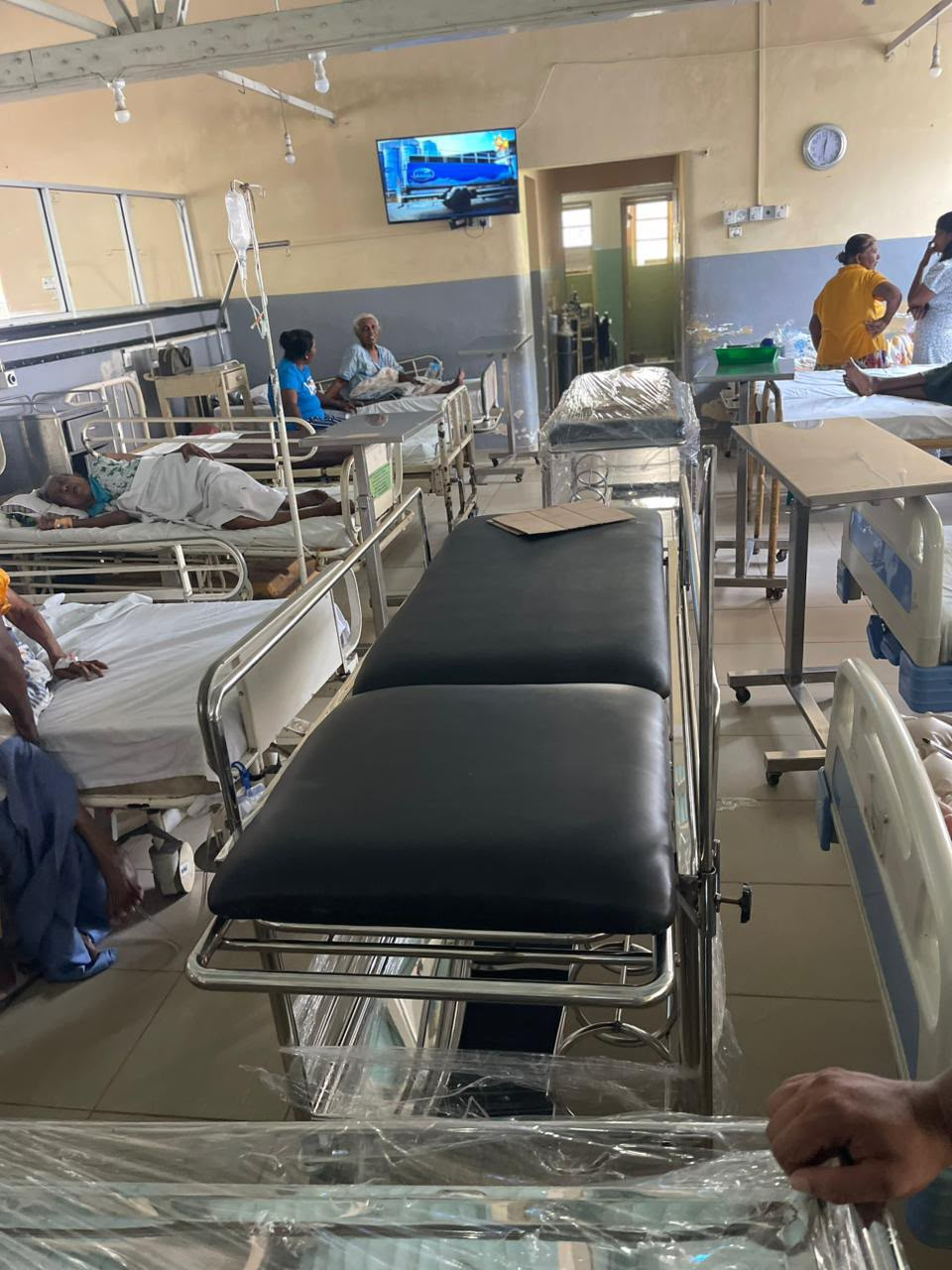
Key Features Every Hospital Patient Trolley Should Have
If you’re comparing options, here’s your checklist. Don’t compromise on these.
- Adjustable height – Nurses come in all heights, and so do procedures. A hydraulic or electric height adjustment saves backs and speeds up transfers.
- Side rails – Non-negotiable for patient safety, especially for sedated, elderly, or unconscious patients.
- IV pole mounts – Because half your patients are hooked up to something.
- Locking casters – A trolley that rolls away mid-transfer is a lawsuit waiting to happen.
- Easy-clean surface – Stainless steel or high-grade ABS plastic that survives constant disinfection.
- Trendelenburg/reverse-Trendelenburg tilt – Critical for shock management and certain surgical positions.
- Weight capacity – More on this below, because it’s easy to underestimate.
- Radiolucent panels (for OT/imaging trolleys) – Lets X-rays pass through without moving the patient.
Adjustable, Hydraulic, or Manual? Picking Your Mechanism
This is where a lot of buyers get stuck, so let’s break it down simply.
Hydraulic patient trolleys use a foot pump or hand lever to adjust height smoothly. They’re reliable, don’t need electricity (huge plus during Sri Lanka’s occasional power fluctuations), and are generally lower maintenance long-term.
Manual patient trolleys are the simplest and cheapest — usually fixed height or with a basic crank mechanism. Good for low-budget wards or facilities that don’t need constant height changes.
Electric/adjustable trolleys offer push-button convenience but come with a higher price tag and depend on charged batteries or mains power — something to weigh carefully for facilities with unreliable electricity access.
My honest take? For most Sri Lankan government and base hospitals, hydraulic trolleys hit the sweet spot between reliability and cost. Electric ones make more sense for private, well-funded specialized hospitals — cardiac or neurology units, for instance, where speed and precision during transfers really can’t be compromised.
Materials: What’s Your Trolley Actually Made Of?
You wouldn’t buy a car without asking what’s under the hood, right? Same logic applies here.
- Stainless steel – The gold standard. Rust-resistant (crucial in humid climates), incredibly durable, easy to sterilize. Costs more upfront but pays for itself over years of use.
- ABS plastic panels – Lightweight, smooth, and genuinely easy to wipe down. Common on side panels and headboards of modern trolleys.
- Powder-coated mild steel – A budget-friendly option, but keep an eye on it — coating can chip over time, exposing metal to rust, especially in coastal or high-humidity regions of Sri Lanka.
- Aluminum alloy frames – Lighter than steel, good for stretcher trolleys that need to be lifted or maneuvered quickly.
For anything going into an ICU, OT, or high-traffic ward, stainless steel or a stainless-ABS hybrid is genuinely worth the extra investment.
Are Patient Trolleys Easy to Clean and Disinfect?
Yes — if you buy the right one. This is actually one of the most underrated buying criteria, and I say this with a bit of exasperation because I’ve seen facilities regret cutting corners here.
Look for:
- Seamless, crevice-free surfaces (bacteria love hiding in seams and joints)
- Removable, wipeable mattresses with waterproof covers
- Non-porous materials that resist staining from disinfectants like sodium hypochlorite
A trolley that’s a pain to clean becomes a trolley that doesn’t get cleaned properly during a busy shift. And that’s a genuine infection control risk you don’t want on your hands.
Weight Capacity: Don’t Underestimate This
Here’s a mistake I see constantly — hospitals buying trolleys rated for 120-150kg, then wondering why they’re struggling with bariatric patients.
| Trolley Category | Typical Weight Capacity |
|---|---|
| Standard ward trolley | 135–160 kg |
| ICU/critical care trolley | 180–200 kg |
| Bariatric patient trolley | 250–300+ kg |
| Emergency/ambulance stretcher trolley | 150–180 kg |
Given rising obesity trends globally (and Sri Lanka isn’t immune to this), it’s worth future-proofing your procurement with at least a few higher-capacity units per department, rather than assuming the standard rating will always cut it.
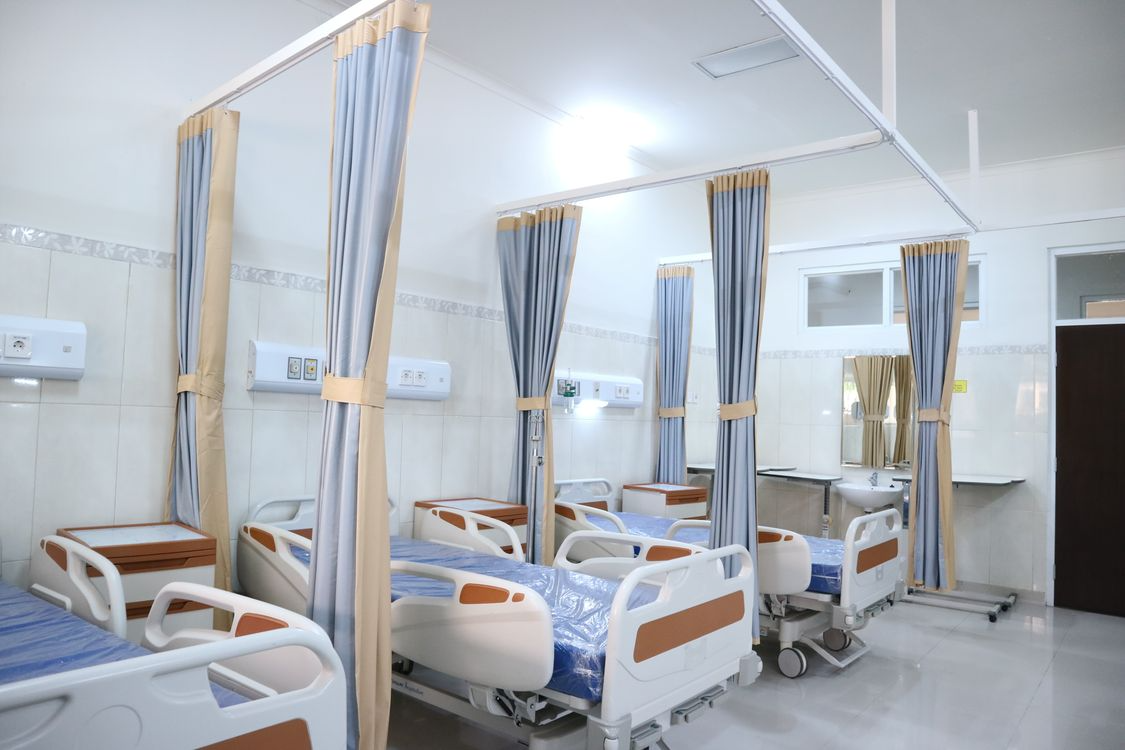
Do Trolleys Come With Side Rails and IV Poles?
Most quality hospital patient trolleys do come standard with foldable side rails and at least one IV pole mount. But here’s the catch — “standard” varies wildly between manufacturers. Some budget models treat these as optional add-ons, which honestly feels a bit backwards given how essential they are for patient safety.
When you’re evaluating quotes, always ask explicitly:
- Are side rails included, or an add-on cost?
- How many IV pole mounts, and are they adjustable in height and angle?
- Do accessories like oxygen cylinder holders or drainage bag hooks come standard?
Getting this in writing upfront saves you from unpleasant surprises when the shipment arrives.
Is a Patient Trolley Suitable for Emergency Transport?
It depends entirely on the type. A standard ward trolley — heavy, wide, built for stability — is generally not ideal for emergency transport. It’s slow to maneuver and often too bulky for ambulance loading bays.
For genuine emergency use, you want a dedicated emergency patient trolley or stretcher trolley, built with:
- Collapsible legs for ambulance loading
- Lightweight but rugged frame
- Quick-release locking mechanisms
- Compact wheelbase for tight corridors and doorways
If your facility runs an Emergency Care Center or Trauma Center, this isn’t optional — it’s core equipment.
How Do I Choose the Right Trolley for ICU, OT, or ER Use?
This is really the heart of the matter, so let’s go department by department.
For ICU: You need trolleys with excellent tilt functions (Trendelenburg especially), robust monitoring equipment attachments, and higher weight capacities. Stability during transfer of critically unstable patients is everything here.
For OT (Operating Theatre): Radiolucent tabletop sections matter a lot, since imaging often happens mid-procedure. You’ll also want precise height adjustment for surgeon comfort and easy-clean, seamless surfaces given the sterile environment.
For ER: Speed and maneuverability win. Lightweight stretcher trolleys with quick-lock wheels and collapsible frames let your team move fast when every second counts.
For general wards: Comfort and durability take priority over speed. A solid hydraulic trolley with good mattress padding does the job well.
[Insert image here: Hospital staff transferring a patient using a trolley in a ward corridor]
Beyond the Basic Trolley: Related Equipment Worth Knowing
While you’re at it, it’s worth understanding the broader family of hospital trolleys, since many facilities end up procuring several types together:
- Crash cart / emergency trolley – Stocked with resuscitation equipment for code blue situations
- Medication trolley – Secure, lockable, used during ward medication rounds
- Dressing trolley – For wound care and minor procedures at bedside
- Anesthesia trolley – OT-specific, organizes anesthetic drugs and airway tools
- Instrument trolley – Sterile mobile storage for surgical instruments
- Utility trolley – General-purpose, used across departments
- IV trolley – Supports infusion therapy and bedside treatment
Bundling procurement across these categories often gets you better pricing from suppliers, so it’s worth discussing as a package deal rather than one-off purchases.
Patient Trolley Price: What Should You Budget?
Prices in Sri Lanka vary quite a bit depending on material, brand, and whether it’s imported or locally assembled. As a rough guide:
| Trolley Type | Approximate Price Range (LKR) |
|---|---|
| Basic manual ward trolley | 150,000 – 300,000 |
| Hydraulic adjustable trolley | 300,000 – 600,000 |
| ICU/critical care trolley | 500,000 – 900,000+ |
| Emergency stretcher trolley | 200,000 – 450,000 |
| Electric/motorized trolley | 700,000 – 1,200,000+ |
Note: these are indicative ranges only — always request formal quotations from suppliers, since import duties, currency fluctuations, and after-sales service packages can shift the final number quite a bit.
Where Can I Buy a Hospital Patient Trolley in Sri Lanka?
You’ve got a few solid routes here:
- Direct medical equipment suppliers like MS MEDICALS – Many international manufacturers have local distributors or agents in Colombo who handle imports, warranty, and servicing.
- Government procurement channels – For state hospitals, tenders through the Ministry of Health’s procurement division are the standard route.
- Private healthcare equipment vendors – Increasingly common for private hospitals and clinics wanting faster turnaround than tender processes allow.
Whichever route you take, always ask about:
- Local warranty and spare parts availability
- After-sales servicing and technician response times
- Training for nursing staff on proper trolley operation and maintenance
A cheap trolley with no local support is, frankly, a false economy.
Maintaining Your Trolley: A Few Quick Tips
Since we’re on the topic, a little maintenance goes a long way:
- Lubricate wheel axles and hydraulic pumps regularly — humidity speeds up wear
- Inspect side rail locks weekly for looseness
- Check weight capacity ratings haven’t been quietly exceeded through wear
- Deep clean mattress covers and frame joints on a strict schedule, not just “when it looks dirty”
Wrapping Up: Making the Right Call for Your Facility
At the end of the day, choosing a hospital patient trolley isn’t just a procurement checkbox — it’s a decision that touches patient safety, staff efficiency, and infection control every single day. Whether you’re outfitting a busy teaching hospital ward or a small day surgery center, matching the trolley type to your actual use case matters far more than chasing the lowest price tag.
So take stock of your departments, be honest about your patient volumes and needs, and don’t be afraid to ask suppliers the tough questions before you commit.
Got a procurement decision coming up, or just want a second opinion on a quote you’ve received? Drop your questions in the comments, or reach out to your local medical equipment supplier for a proper site consultation — your future self (and your nursing staff) will thank you.
[Insert image here: Hospital ward with several trolleys neatly parked, ready for use]