
GENERAL MEDICAL EQUIPMENTS
GENERAL MEDICAL EQUIPMENT – Essential Devices for Quality Healthcare
General medical equipment encompasses a broad range of tools, machines, and devices used in healthcare settings for diagnosing, monitoring, and treating patients. These essential instruments support healthcare providers in delivering high-quality patient care across various medical fields, including emergency care, diagnostics, surgery, and patient recovery.
- Types of General Medical Equipment
General medical equipment can be categorized into several types, each designed to perform specific functions:
- Diagnostic Equipment: Includes tools like stethoscopes, sphygmomanometers, and ECG machines, used to measure vital signs and monitor patient health.
- Therapeutic Equipment: Devices like infusion pumps and nebulizers deliver medication and treatment directly to patients.
- Monitoring Equipment: Equipment such as patient monitors and pulse oximeters track vital signs and ensure patient stability.
- Sterilization Equipment: Autoclaves and UV sterilizers ensure tools and surfaces remain free of harmful microorganisms, preventing infections.
- Patient Care Equipment: Items like hospital beds, wheelchairs, and IV stands are essential for patient comfort and mobility.
- Importance of General Medical Equipment in Healthcare
General medical equipment plays a pivotal role in modern healthcare, allowing for effective diagnosis, monitoring, and treatment of patients. This equipment supports medical professionals in maintaining a high standard of care, increasing patient safety, and improving recovery outcomes.
- Improved Diagnosis: Diagnostic tools help healthcare providers identify health issues early, leading to timely treatment.
- Enhanced Patient Monitoring: Continuous monitoring devices ensure patient safety, especially in critical care settings.
- Infection Control: Sterilization equipment minimizes infection risks, safeguarding both patients and healthcare workers.
- Better Patient Mobility and Comfort: Equipment like hospital beds and wheelchairs improve patient comfort and ease of movement.
- Commonly Used General Medical Equipment
- Stethoscope: A basic diagnostic tool for listening to the heart and lungs.
- Blood Pressure Monitor: Measures and monitors blood pressure levels.
- Thermometer: A quick and essential tool for detecting fever.
- Infusion Pump: Delivers precise medication dosages to patients intravenously.
- Patient Monitor: Tracks vital signs, including heart rate, respiratory rate, and oxygen levels.
- Autoclave: Sterilizes surgical instruments and equipment to prevent infection.
- Oxygen Concentrator: Provides concentrated oxygen for patients with respiratory issues.
- Care and Maintenance of General Medical Equipment
Proper care and regular maintenance of medical equipment are essential to ensure accuracy, safety, and longevity.
- Regular Calibration: Ensures diagnostic and monitoring tools provide accurate readings.
- Sterilization and Cleaning: Prevents contamination and maintains a sterile environment.
- Routine Inspections: Identifies wear and tear early, reducing the risk of equipment failure.
- Proper Storage: Prevents damage and maintains equipment functionality over time.
Conclusion
General medical equipment is essential for providing comprehensive healthcare, supporting everything from diagnostics to patient recovery. These devices contribute significantly to improving patient outcomes and maintaining a high standard of care in healthcare facilities.
Showing all 30 results
-
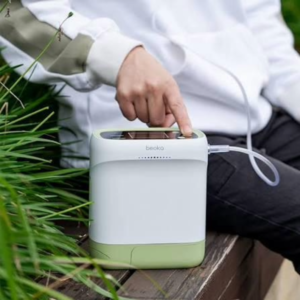
BEOKA PORTABLE BATTERY POWERED OXYGEN CONCENTRATOR MACHINE
Add to Cart -
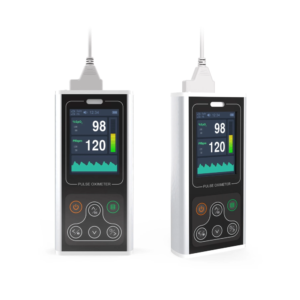
Contec CMS60D1 Handheld Pulse Oximeter
Add to Cart -
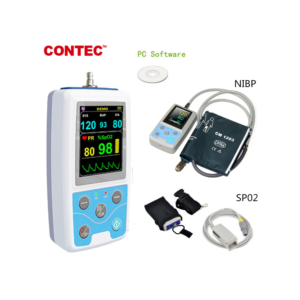
CONTEC PM50 NIBP Handheld Patient Monitor BP SPO2 PR dynamic blood pressure alarm system
Add to Cart -
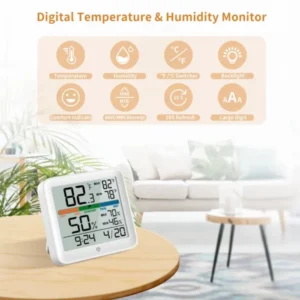
DIGITAL TEMPERATURE AND HUMIDITY MONITOR
Add to Cart -
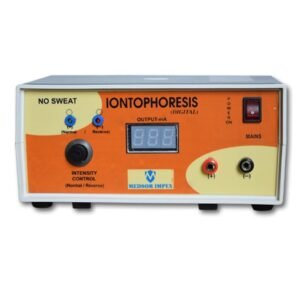
iontophoresis machine
Add to Cart -
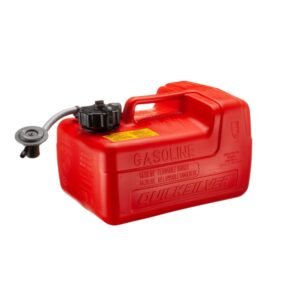
Mercury Tank
Add to Cart -
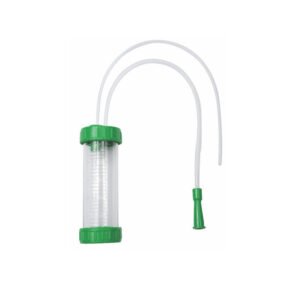
Mucus Extractor
Add to Cart -

Surgical Skin Stapler
Add to Cart -
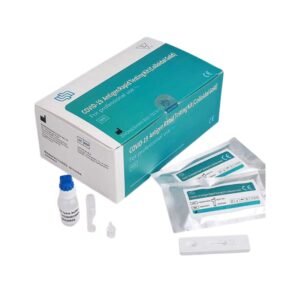
Rapid Antigen Test Kit
Add to Cart -
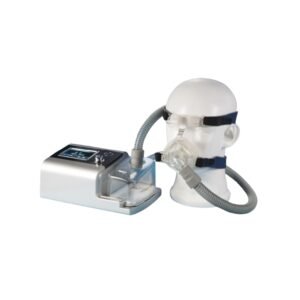
BIPAP Machine
Add to Cart -
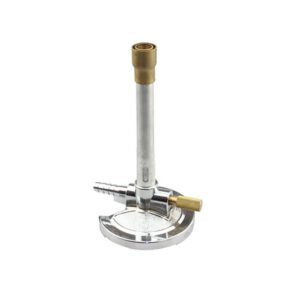
Bunsen Burner
Add to Cart -
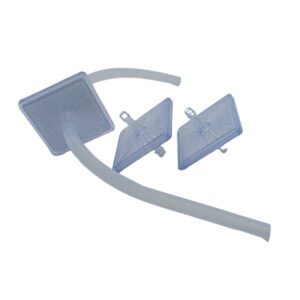
Suction Machine Filter
Add to Cart -
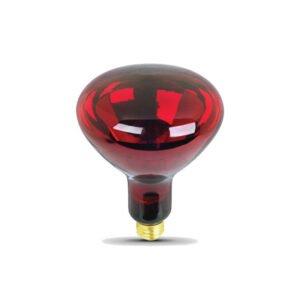
Infrared Bulb
Add to Cart -

3A Air Compressing Nebulizer
Add to Cart -

Oxygen Concentrator
Add to Cart -
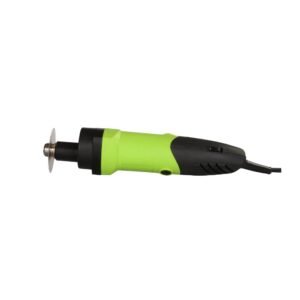
Medical Pop Cutter
Add to Cart -
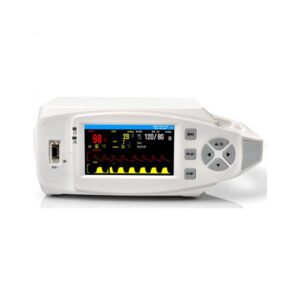
Desktop Pulse Oximeter
Add to Cart -
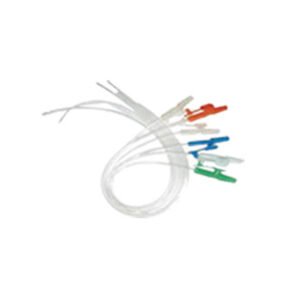
Suction Tube
Add to Cart -
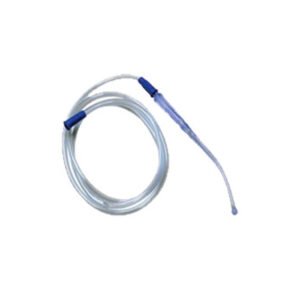
Yankauer Suction Tube
Add to Cart -
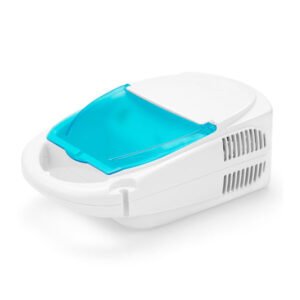
Nebulizer Compressor
Add to Cart -
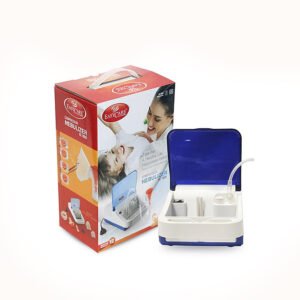
Easy Care Nebulizer Machine
Add to Cart -
Heavy Duty Nebulizer Machine
Add to Cart -
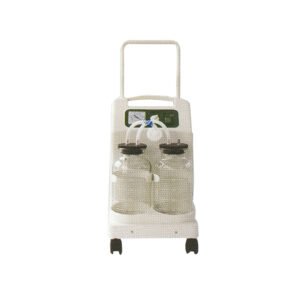
Double Jar Suction Machine for Hospitals & Clinics | Medical Suction Unit Sri Lanka
Add to Cart -
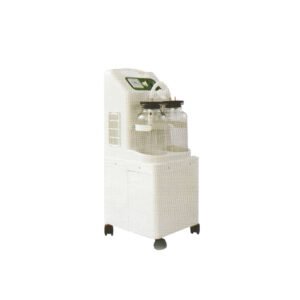
Large Suction Machine
Add to Cart -
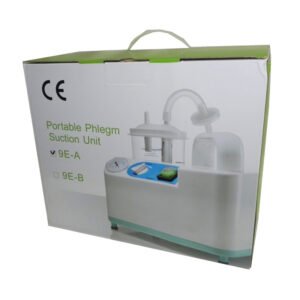
Portable Suction Machine
Add to Cart -
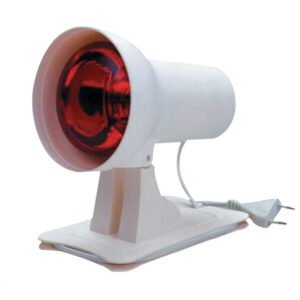
Portable Infrared Lamp
Add to Cart -

Medical Oxygen Regulator
Rs. 14,990.00 Add to Cart -
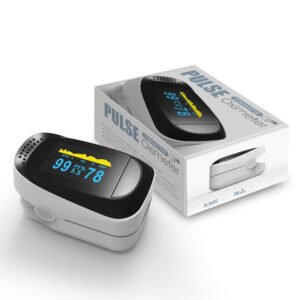
Finger Pulse Oximeter
Add to Cart -
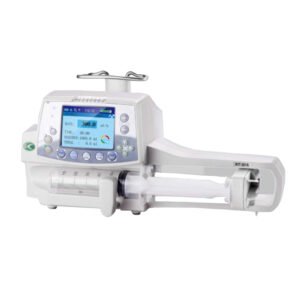
Syringe Pump
Add to Cart -
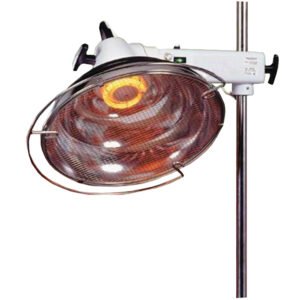
Heavy Duty Infrared Lamp
Add to Cart